Related Encyclopedia
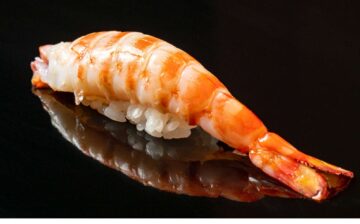
Japanese tiger prawn / Kuruma prawn
Japanese tiger prawn / Kuruma prawn




Decapoda, Pandalidae
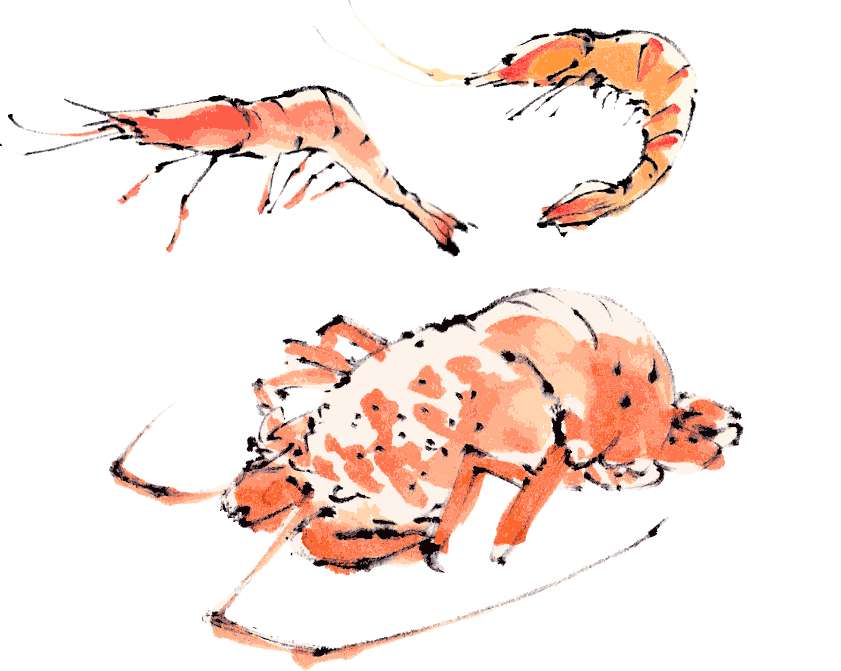
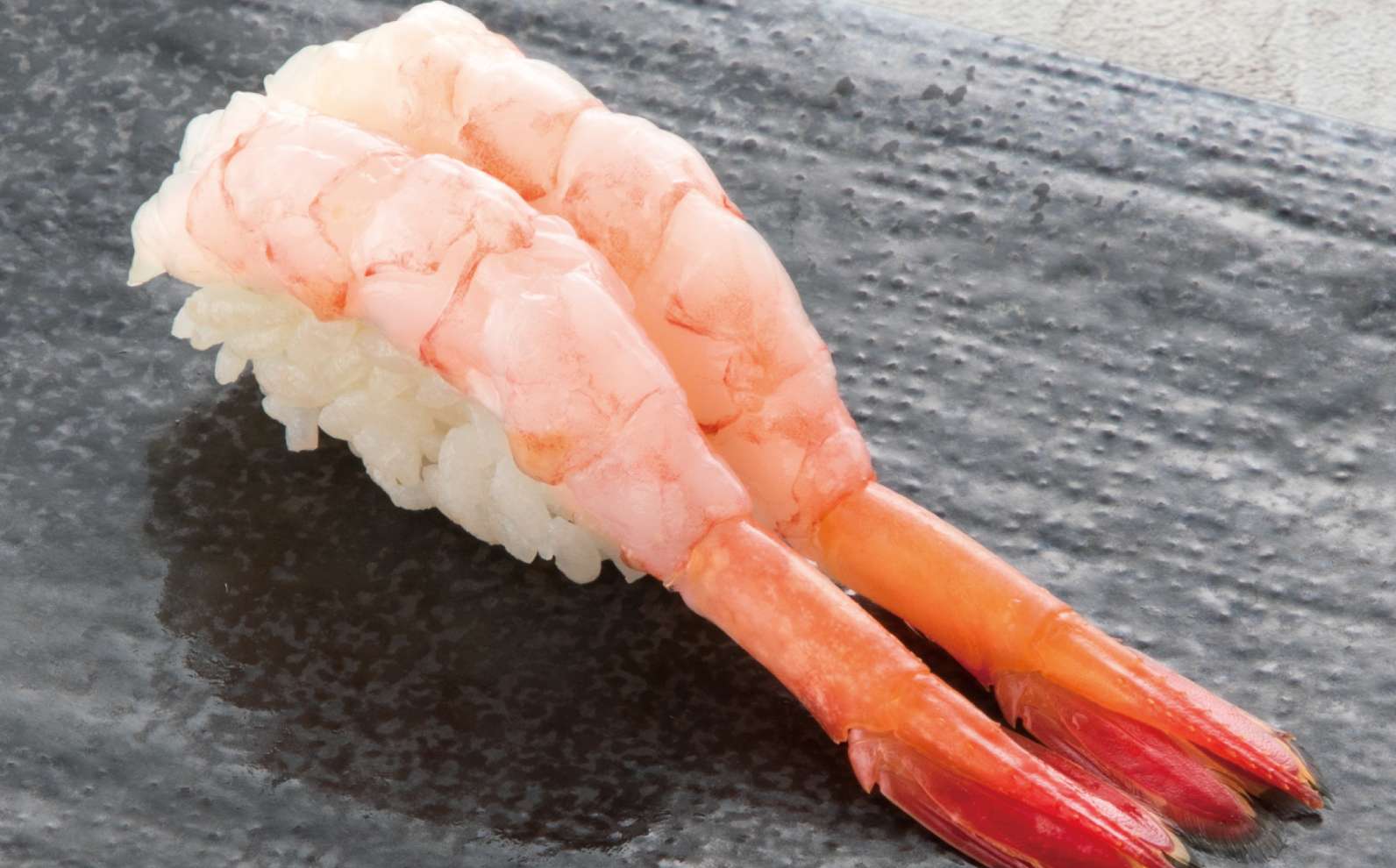
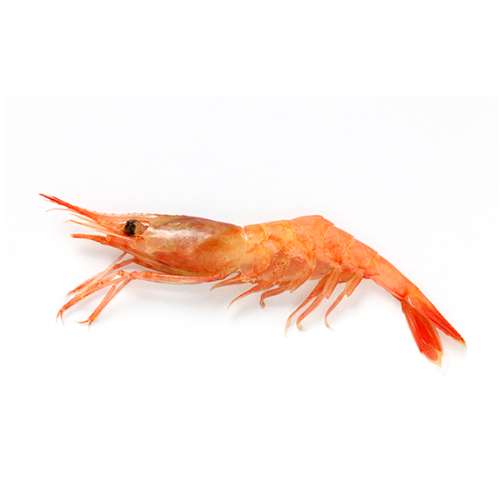
Its official name is the northern shrimp, a slim shrimp about 10 to 13 centimeters long that lives in the North Pacific. Its body color is an orange with a strong, translucent reddish tint, and it is said to have come to be called "sweet shrimp" because of its sticky sweetness.
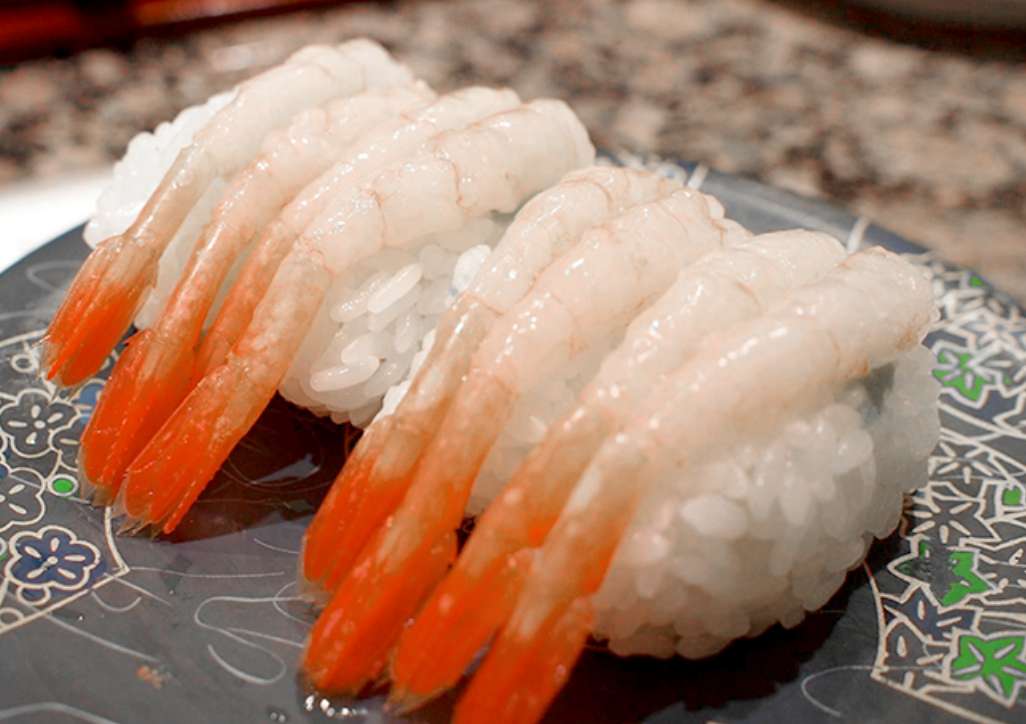 Sweet shrimp sushi of the true northern shrimp
Japanese tiger prawn / Kuruma prawn
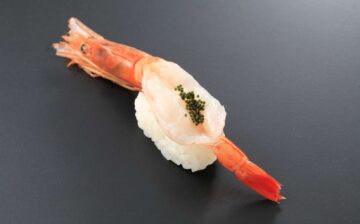
Botan Shrimp
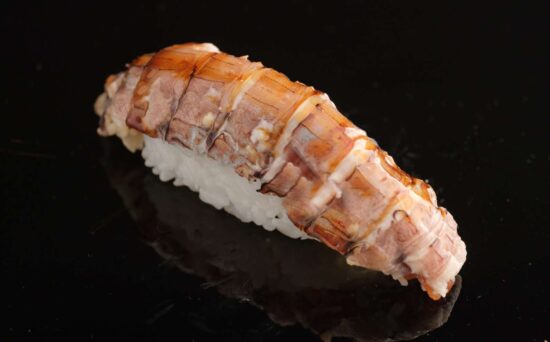
Shako / Edible mantis shrimp
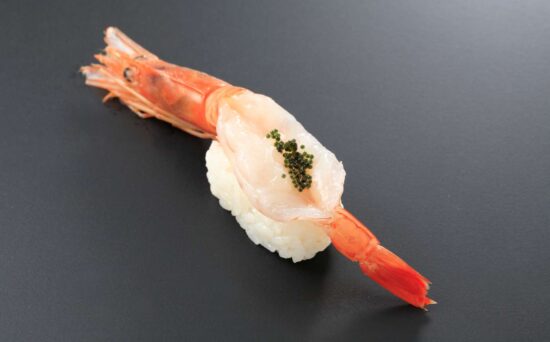
Botan Shrimp
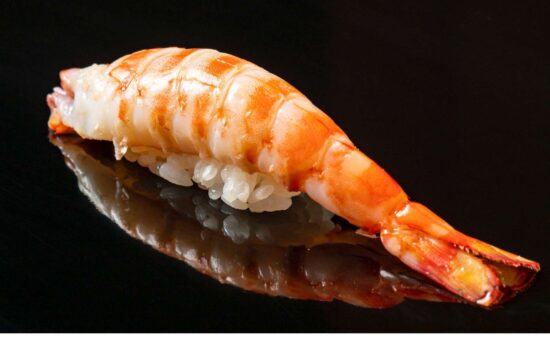
Japanese tiger prawn / Kuruma prawn
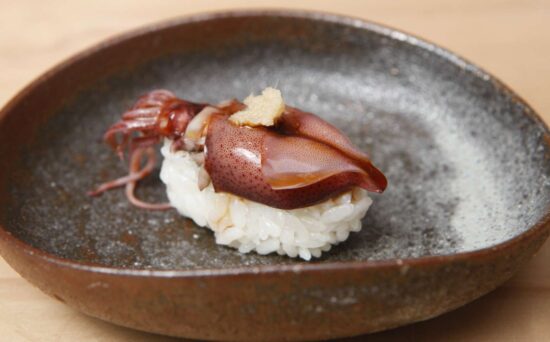
Firefly Squid / Toyama Squid
The firefly squid is a small squid that lives arou…
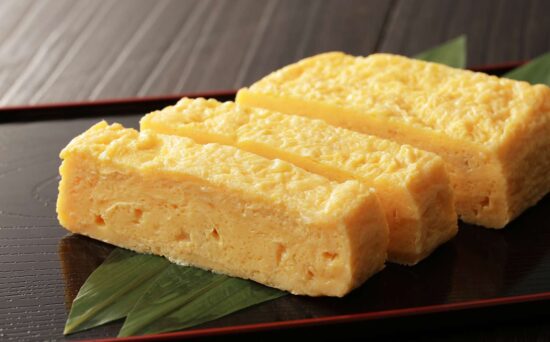
Gyoku / Tamagoyaki / Egg Sushi
There are three types of tamagoyaki at sushi resta…
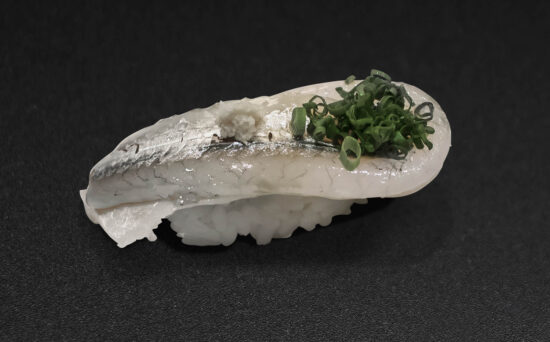
Sayori / Japanese halfbeak
The sayori lives in inner bays and along the coast…
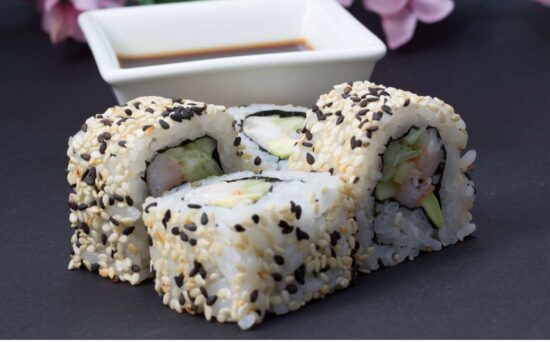
Uramaki / Sushi roll - Uramaki
Among rolled sushi, those that are thicker than th…
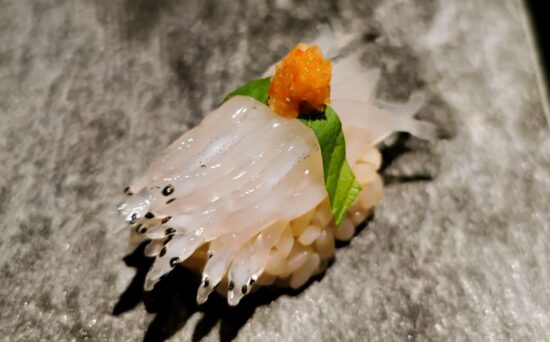
Shirauo / Japanese icefish / Salangid
Shirauo refers to fish of the genus Salangichthys …
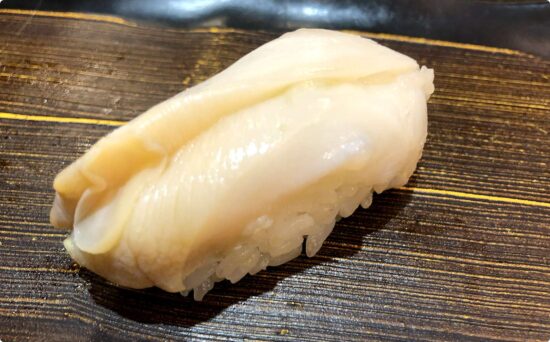
Mirugai / Gaper clam
The mirugai is a large bivalve about 15 cm in size…
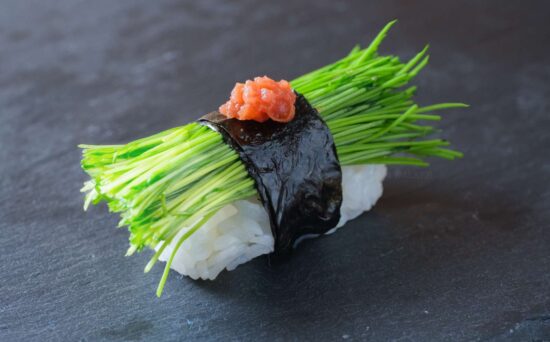
Menegi / Young Green Onion Sprouts
Menegi are young leaf onions harvested at an early…
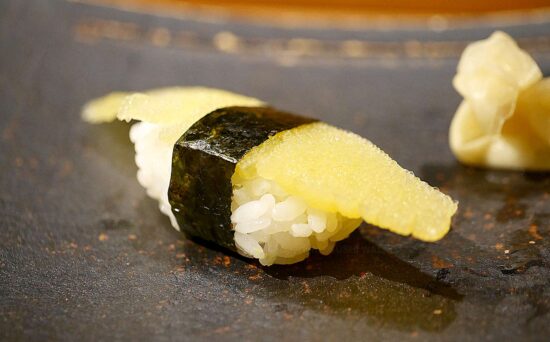
Kazunoko / Komochi Konbu / Herring Roe / Herring Roe on Kelp
Both kazunoko and komochi konbu are processed prod…
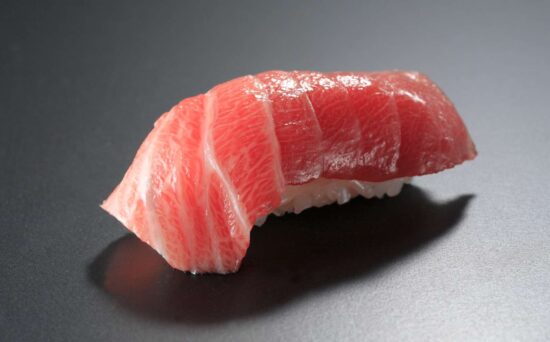
Maguro (Tuna)
Among tuna, the bluefin is considered especially p…

The J.S.F.A Sushi Kentei appears in the TBS drama "Toki Sudeni Osushi!?"
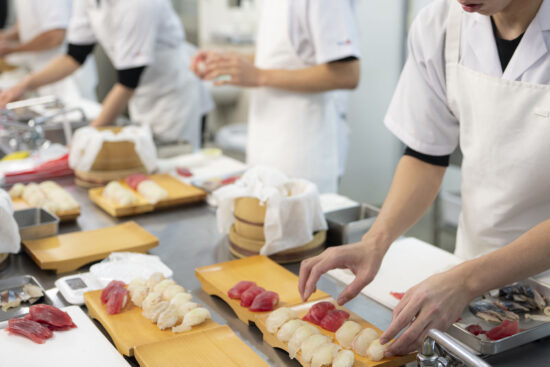
In recent years, voices saying "I want to learn sushi seriously" have been increasing both in Japan and abroad…
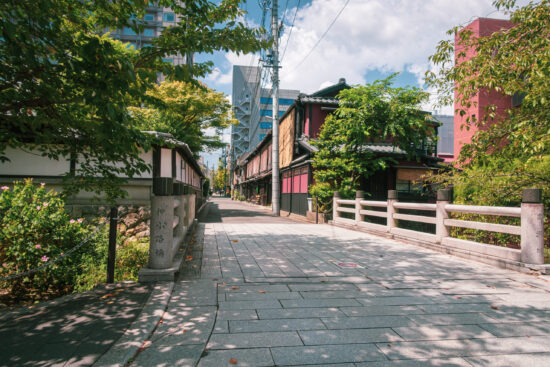
Nakagyo-ku, in the heart of Kyoto, is dotted with many top-tier sushi restaurants, from reasonably priced spot…
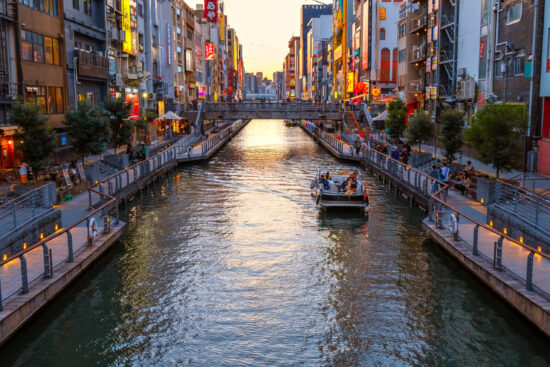
Shinsaibashi, one of Osaka's premier gourmet districts, is dotted with renowned sushi restaurants that bring t…
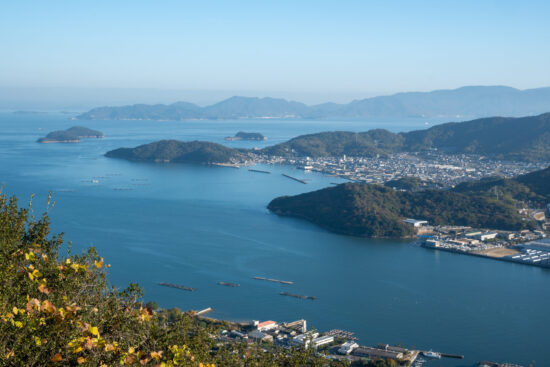
Takamatsu City in Kagawa, set against the rich bounty of the Seto Inland Sea, is dotted with top-tier renowned…

SUSHI is the most widely adopted Japanese food in the world. Today it has become a global cuisine—SUSHI—that c…
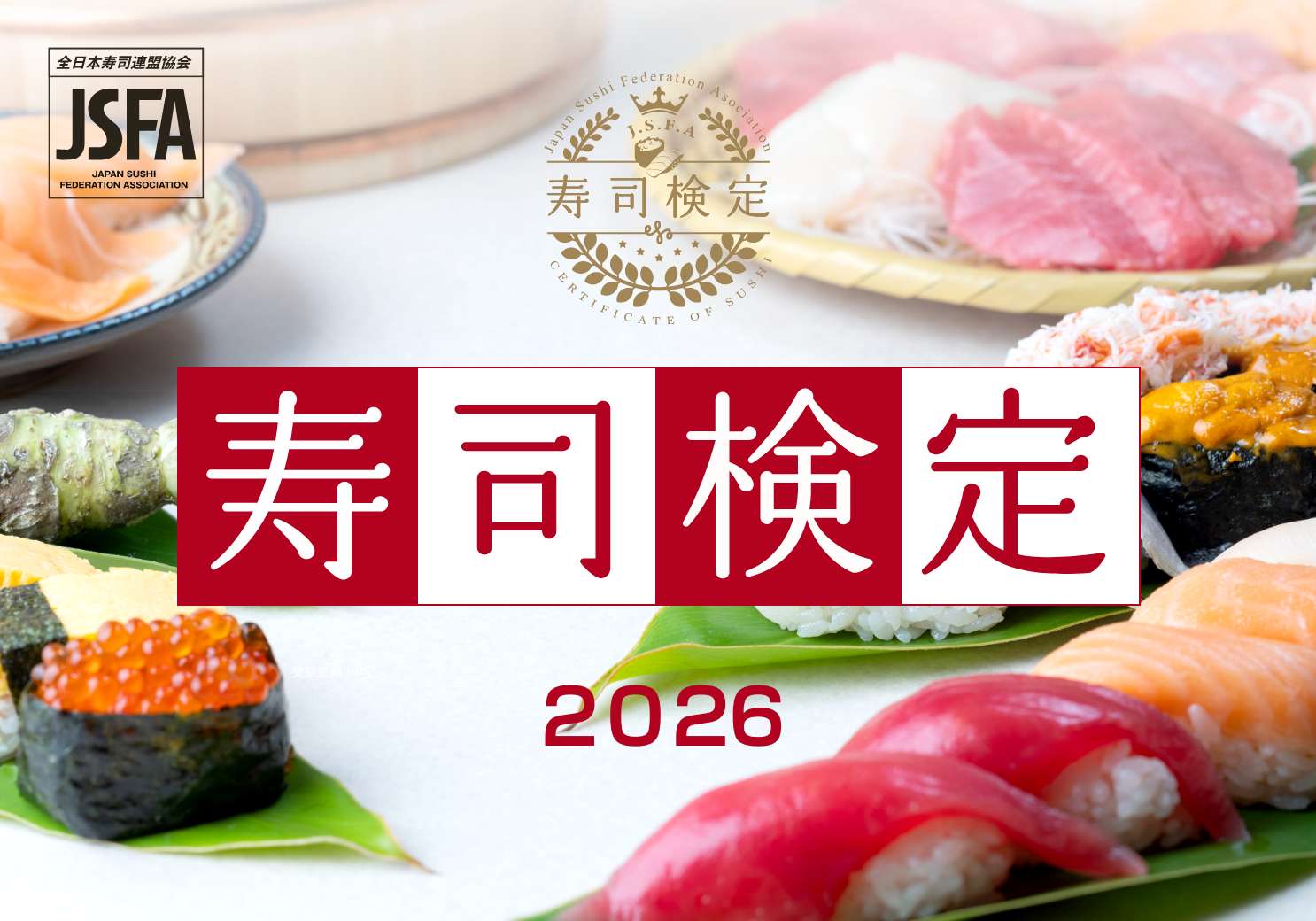
Applications are now being accepted for the "J.S.F.A Sushi Certification 2026," hosted by the Japan Sushi Fede…
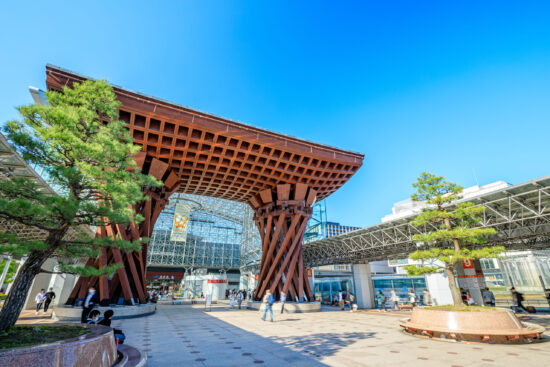
Blessed with rich fishing grounds in the Sea of Japan, Kanazawa is renowned as a "sushi town." Sushi lovers ga…
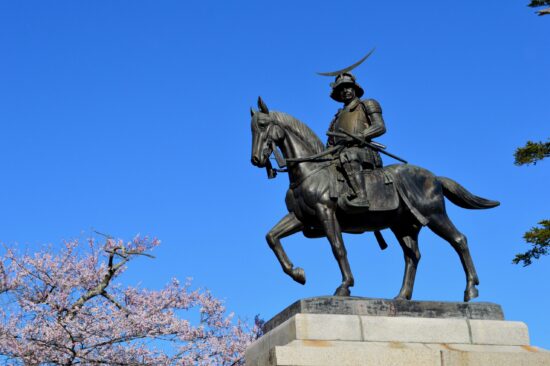
Sendai is one of Tohoku's leading sushi towns, where the rich bounty of the Sanriku sea meets sure-handed craf…
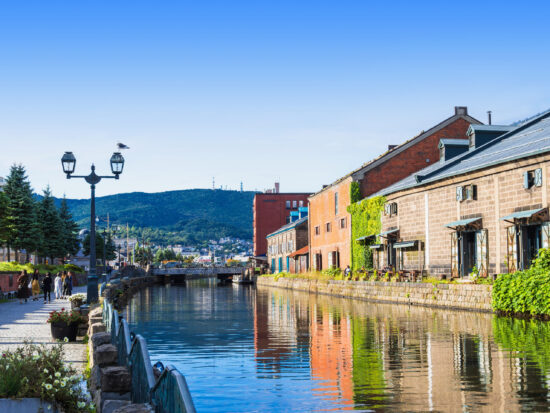
Otaru, a port town in Hokkaido, is a gourmet destination that draws food lovers from across Japan, home to its…
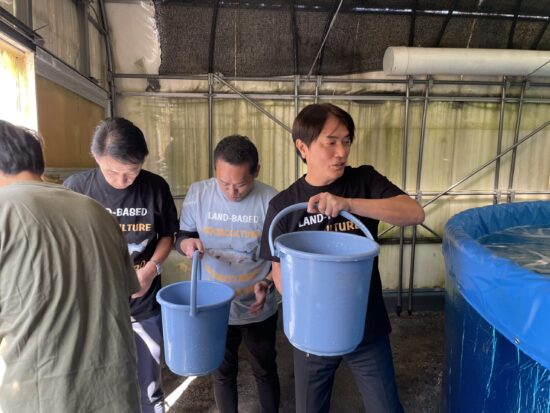
One of the major challenges currently facing the sushi industry is the shortage and soaring prices of domestic…
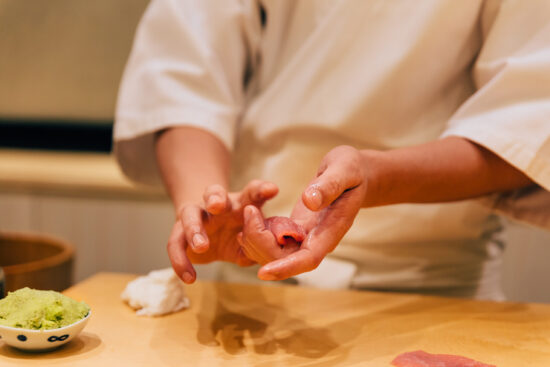
Last updated: April 19, 2026 In the past, becoming a sushi chef required a long period of apprenticeship and s…
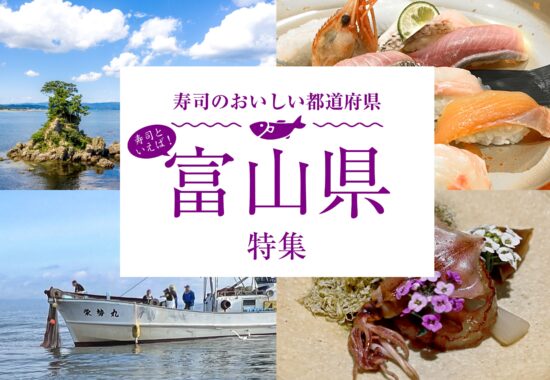
It's no exaggeration to say that “when it comes to sushi, think Toyama.” Toyama Prefecture is famous for its a…
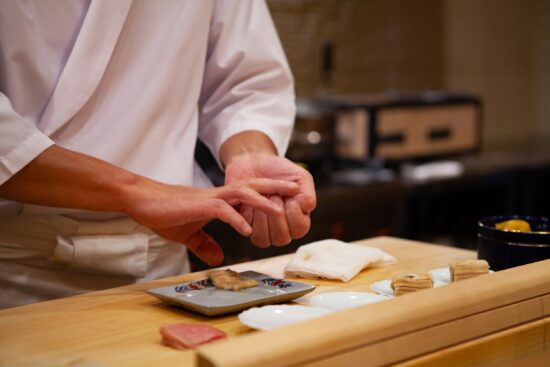
The popularity of sushi has now spread to many countries, to the point where there is hardly a foreigner who d…

There are many types of Japanese cuisine, but sushi is by far the most popular among them, and it is eaten all…
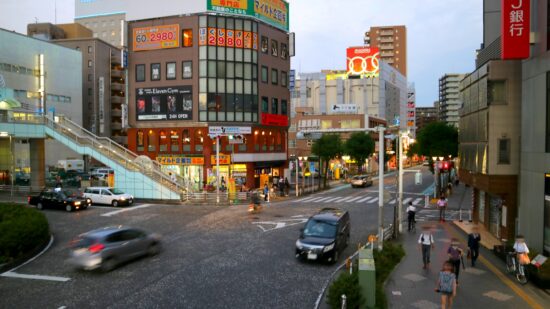
Spreading across the northern part of Kanagawa Prefecture, Sagamihara City has a population of about 720,000 a…

Tokyo Station, which plays a central role in Japan's transportation, is located in the heart of the business d…

Kobe City in Hyogo Prefecture is a city facing Osaka Bay, and ever since it opened its port at the end of the …
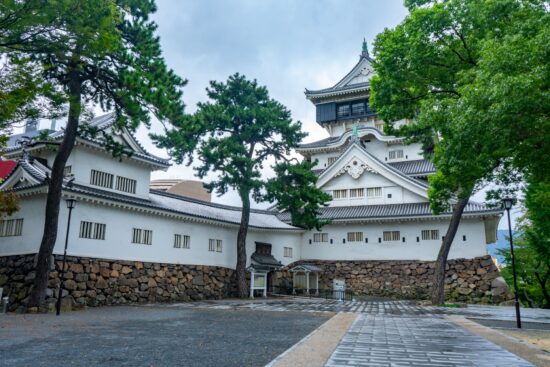
Located in Kitakyushu City, Fukuoka Prefecture, Kokura is a major city ranking alongside Hakata and serves as …

Zensho Holdings, known for "Hama Sushi" and "Sukiya," has acquired the Snowfox Group—a sushi operator headquar…
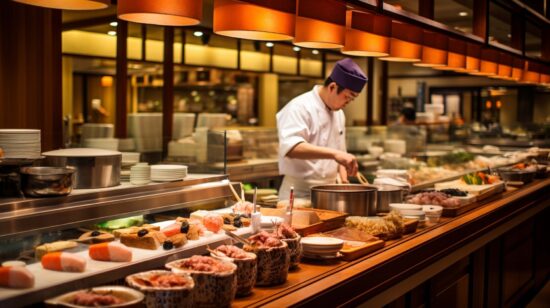
"Sushi," a part of Japan's traditional culture, is now a dish loved by people all over the world. Because it …
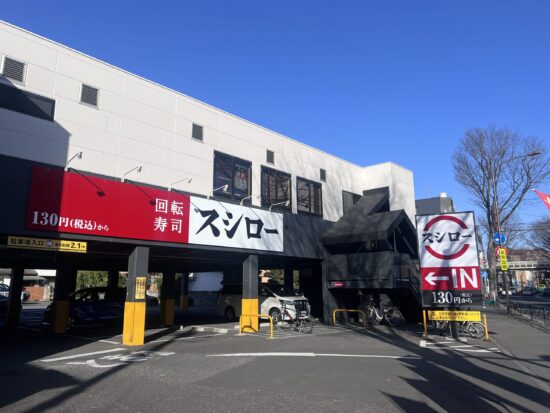
Sushiro is one of Japan's leading conveyor-belt sushi chains. As a sushi lover, I have nothing but respect for…

"Sushi," a traditional part of Japanese culture, is one of the foods loved by people around the world. As som…
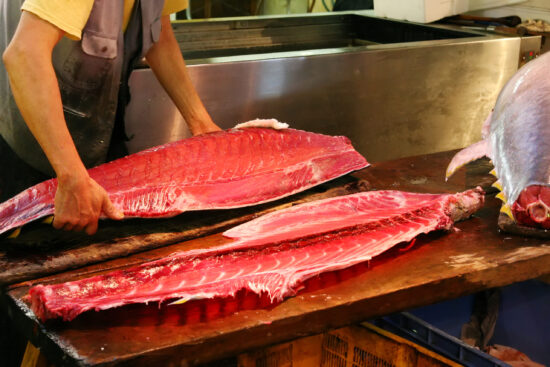
The most royal sushi topping is "tuna," isn't it? From the clear, crimson lean meat (akami) to the moderate…

Edomae sushi is now one of the signature elements of Japanese food culture. Last time we introduced Hanaya Yo…
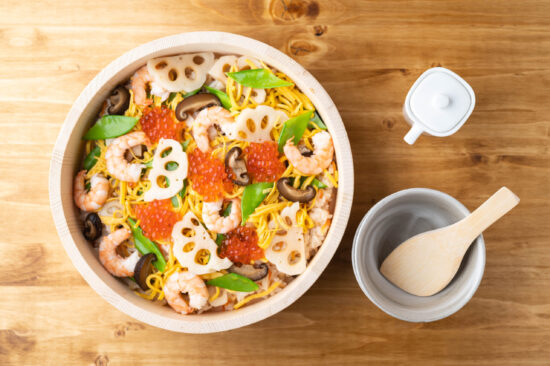
Chirashi sushi is loved as one of Japan’s home-cooked flavors. With characteristics that differ by region and…
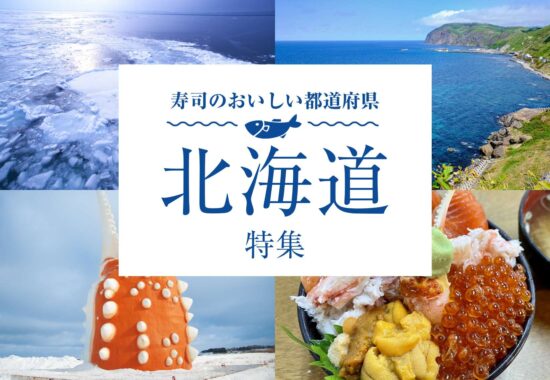
Vast Hokkaido, which accounts for roughly one-fifth of Japan's total land area, is a treasure trove of rich na…
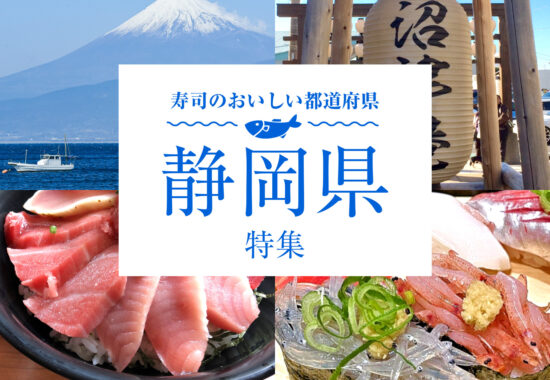
Among the prefectures known for delicious sushi, "Shizuoka Prefecture" stands out as a particularly brilliant …
Sushi Daigaku offers a fully online sushi school for just 58,000 yen.
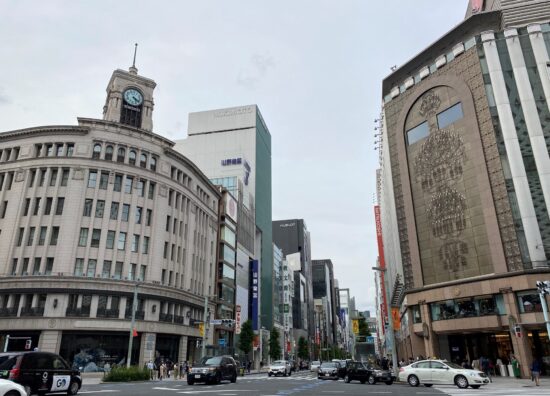
Ginza needs no introduction as Tokyo's premier district for shopping and gourmet dining. With its refined sen…
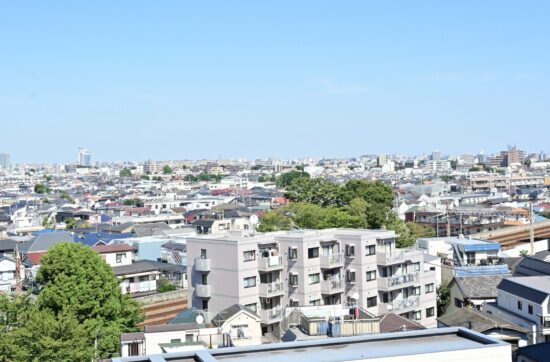
Suginami Ward is an area of about 550,000 people located in western Tokyo, where livability and appealing cult…
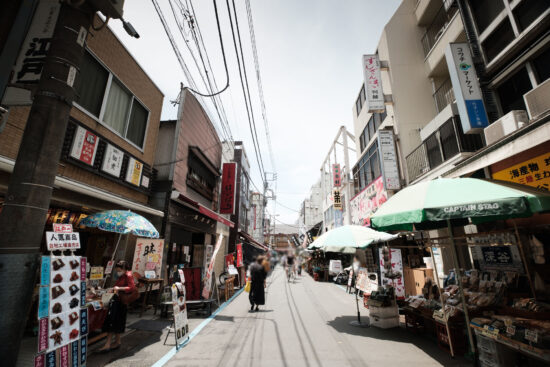
Tsukiji is known as the home of Tsukiji Market, the most famous market in Tokyo. Tsukiji Market was created a…
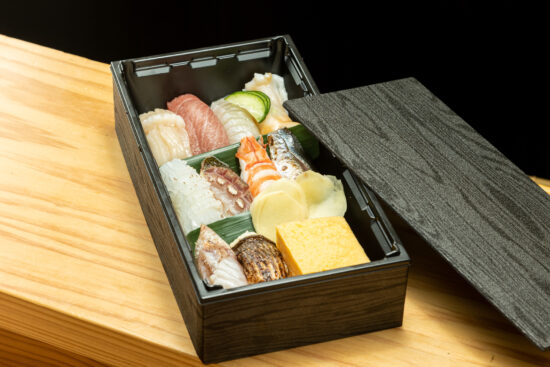
Many people who want to open a sushi restaurant may also harbor anxieties and questions about the preparations…
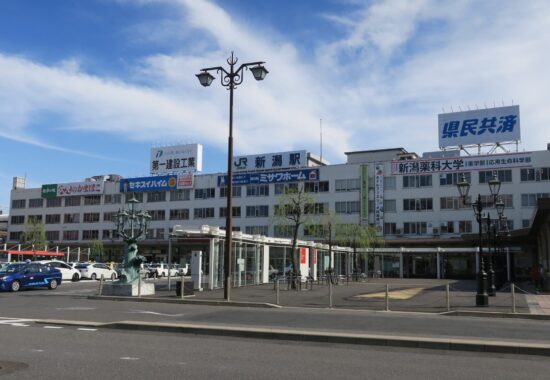
Niigata Station is Niigata's largest terminal and an important hub of the Hokuriku region in terms of economy …

Sushi, which boasts a long history, has distinctive features that vary from region to region, and there are ma…
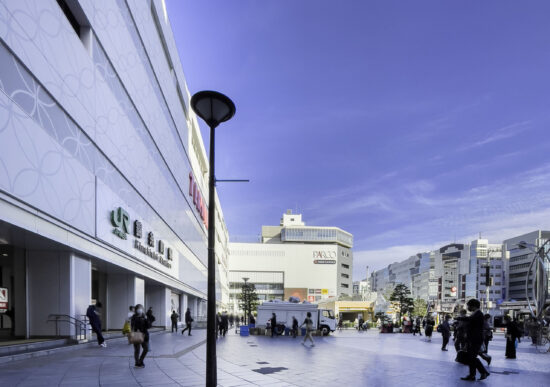
Kinshicho is a lively downtown commercial area in Tokyo's Sumida-ku, packed with all kinds of attractions and …
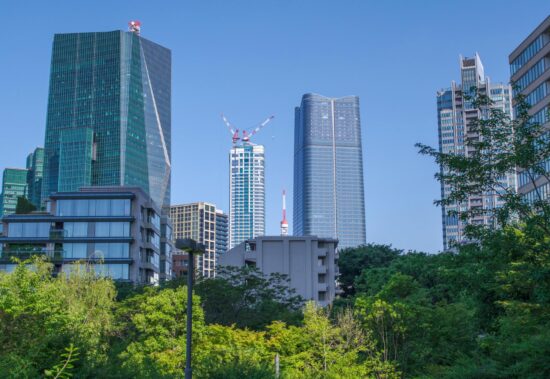
Akasaka in Minato-ku, Tokyo is a town where vibrancy and tranquility blend beautifully. On one hand it is home…
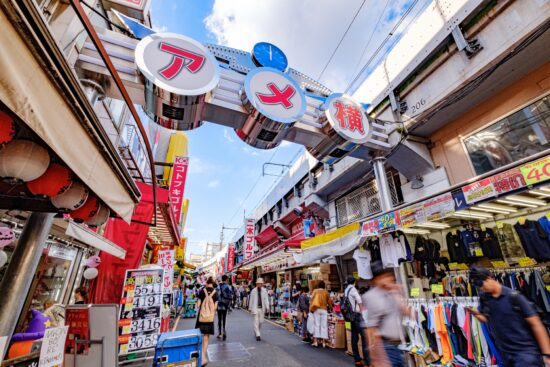
Ueno is also called the "Northern Gateway" and is a town that has long played a major role as a key transporta…
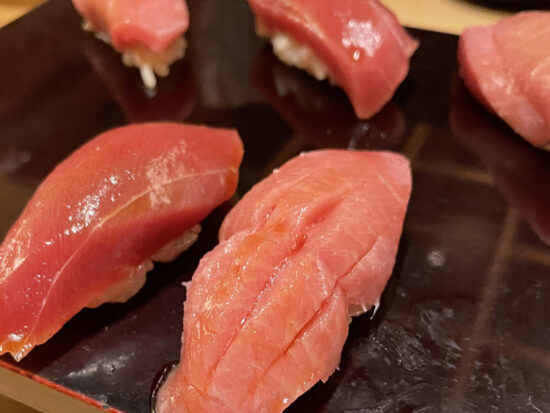
"Manten Sushi" is a popular sushi restaurant with three locations in Marunouchi, Hibiya, and Nihonbashi. With…
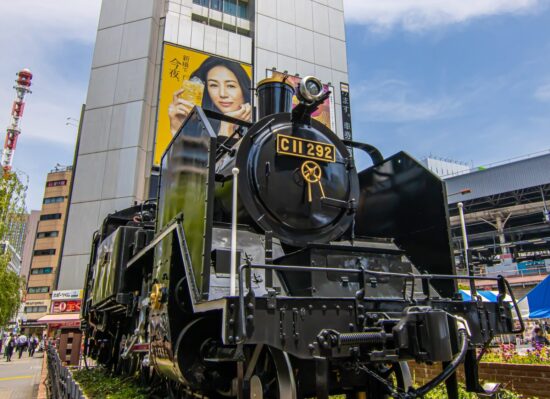
Shimbashi is known as the birthplace of Japan's railways and is a business district connected to the Marunouch…

Shizuoka City, the central city of Shizuoka Prefecture, is a city of about 720,000 residents facing Suruga Bay…
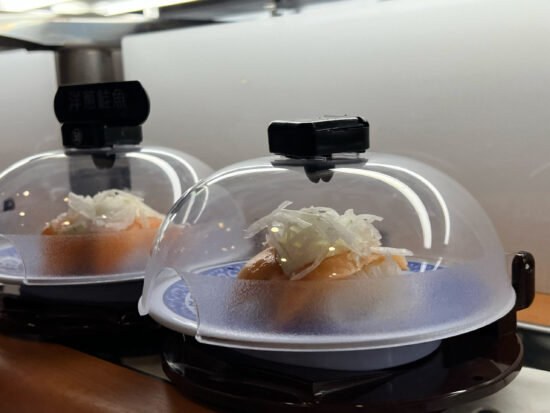
On October 9, 2023, a new Kura Sushi USA location opened on the South Side of Chicago. On its opening day, an …
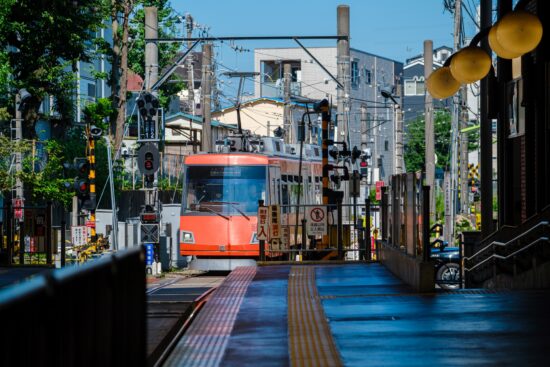
Sangenjaya is a popular commercial area in Setagaya Ward, ranking alongside Kichijoji and Jiyugaoka as one of …
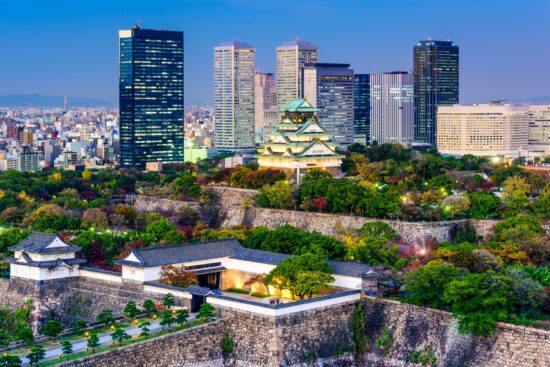
Osaka City, with a population of about 2.7 million, is the heart of Osaka Prefecture, where Osaka Castle tower…
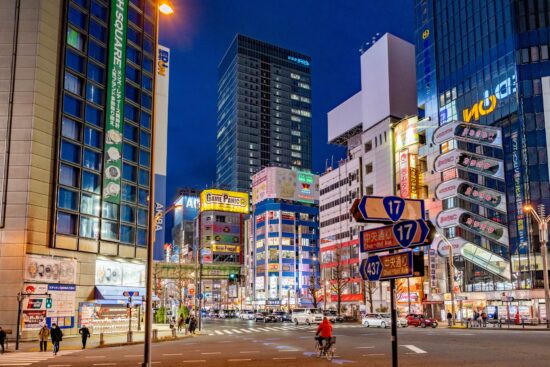
Akihabara was originally a shopping area where electronics retailers gathered, but in recent years it has also…
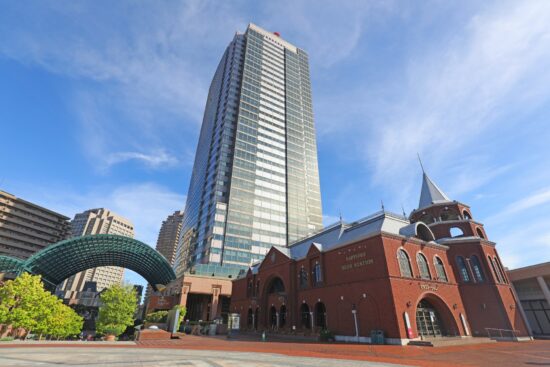
Ebisu is an area in Shibuya Ward, Tokyo, that is highly popular with women. It has large commercial facilitie…
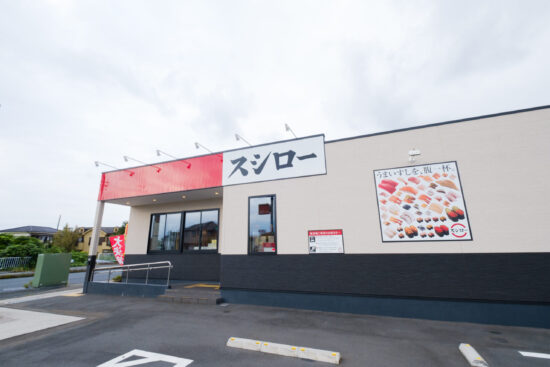
Sushiro is rapidly expanding in China. Since opening its first store at Guangzhou Dongfang Baotai Plaza in …
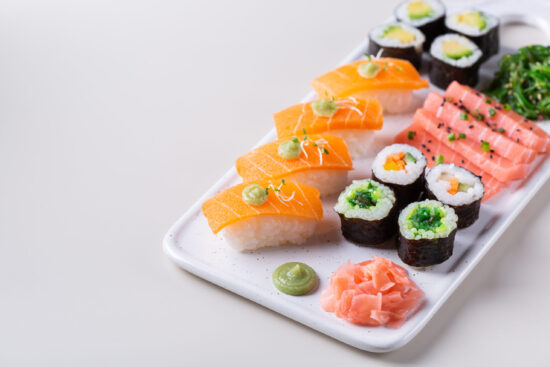
A food tech startup using mushroom fermentation to create sushi raises $5.5M in funding.

"Soy sauce" is an important supporting player that highlights the deliciousness of sushi and sashimi. Though …

Ota Ward, facing Tokyo Bay, is famous for Haneda Airport and serves as a transportation hub where many people …

Ikebukuro is one of Tokyo's major sub-city centers, ranking alongside Shinjuku and Shibuya as one of the city'…
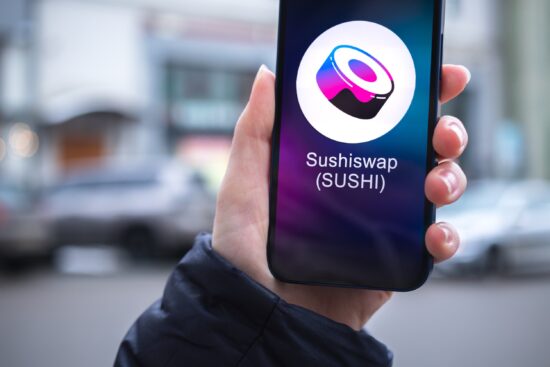
Sushi lovers, have you heard of SushiSwap? Translated literally it means "sushi exchange," but SushiSwap is a…
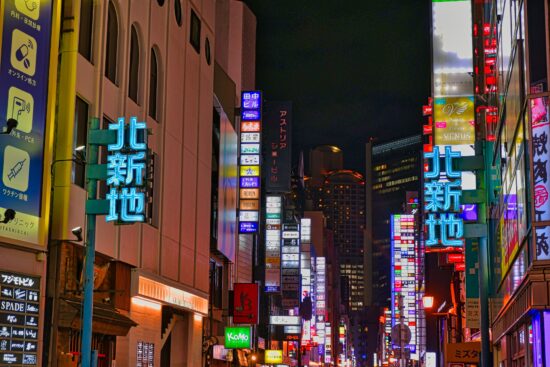
Kitashinchi is one of Osaka's most representative entertainment districts. While it is lined with upscale nigh…
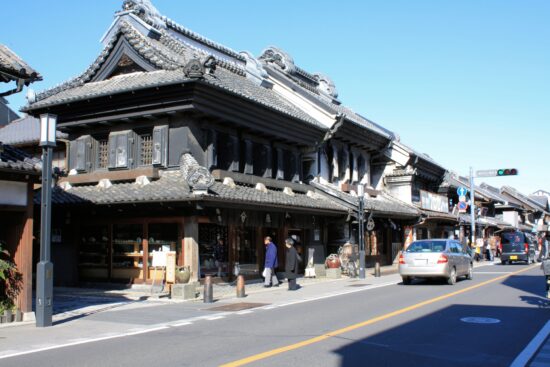
Kawagoe in Saitama Prefecture is famous for its townscape of traditional kura (storehouse-style) buildings and…

Urawa is a historic town in Saitama Prefecture, known as a treasure trove of rich cultural facilities and fine…
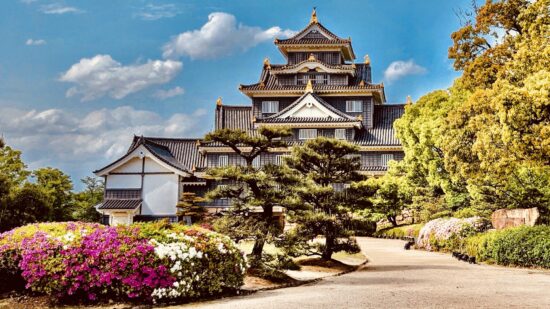
Okayama City, also famous for the legend of Momotaro, is the largest city in the East Seto economic zone. Dot…
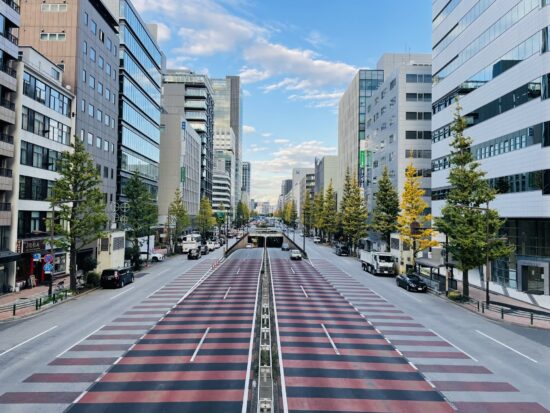
Kyobashi is an area where business and entertainment districts blend together. Adjacent to Ginza, Marunouchi,…
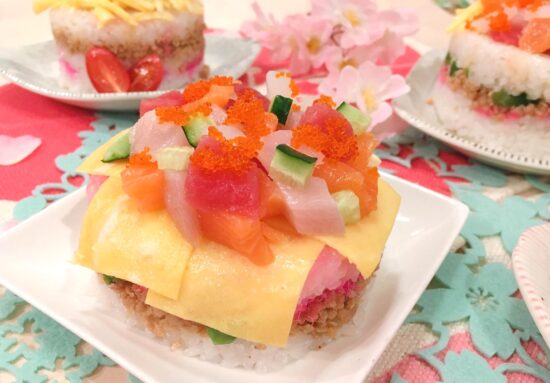
Last June, a shop opened near Ginza-itchome Station. Its name: "Ginza Onigashima." It has been drawing attent…

On June 27, Yukki, our Sushi Walker public relations representative, appeared as a guest commentator on "Morni…

A psychedelic conveyor-belt sushi restaurant themed around "kawaii" is set to open in SoHo, New York's latest …
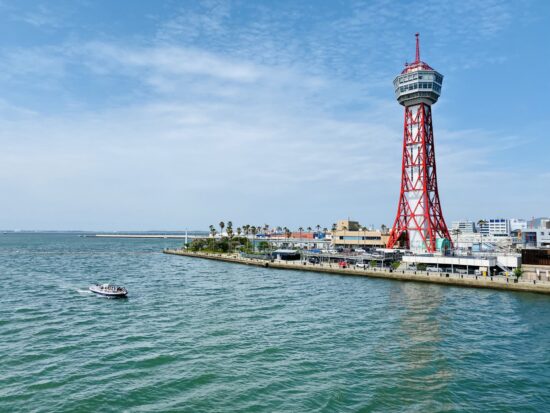
Located in Fukuoka City, the heart of Kyushu, is Hakata Station. Owing to its scale and convenience, it is als…
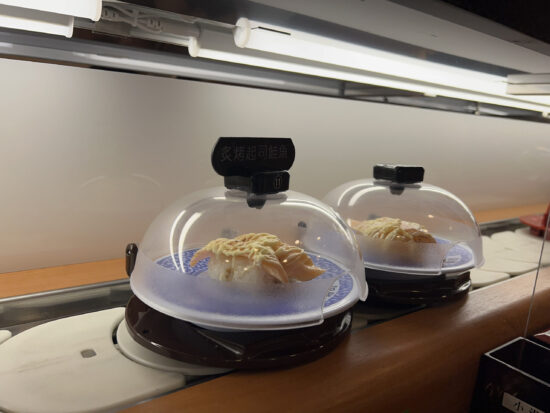
Kura Sushi, a leading robot-driven conveyor-belt sushi chain that represents Japan, has been expanding its cha…

Shinagawa is a central urban district with a rich commercial environment, while also serving as a gateway to T…

Sushi, which plays a part in Japan's food culture, comes in an enormous variety. Among these, Edomae sushi ha…
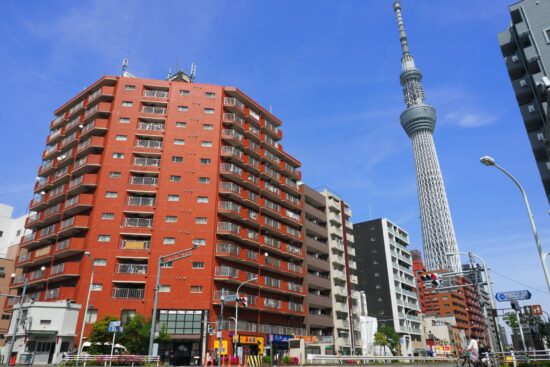
Sumida-ku, where Tokyo Skytree is popular as a tourist attraction. Boasting one of the greatest heights in th…
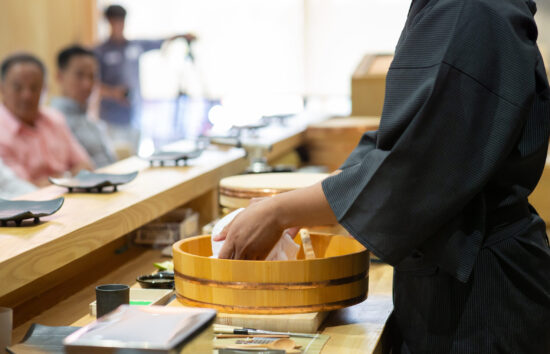
China has a long history of food culture. Its diversity and depth have captivated countless gourmets and attr…
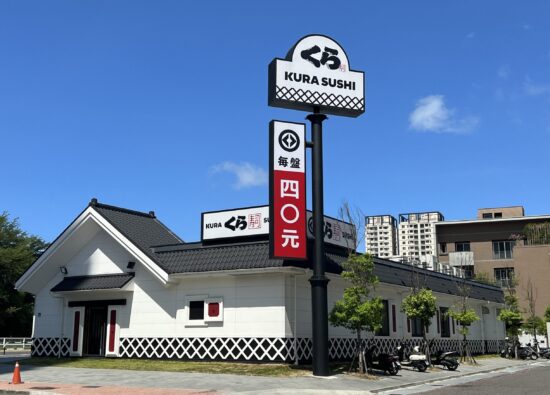
In May, the conveyor-belt sushi chain Kura Sushi opened its first overseas flagship store in Kaohsiung, Taiwan…

Meguro is located in the southwest of Tokyo, and although it is a downtown area, it is home to sites such as t…
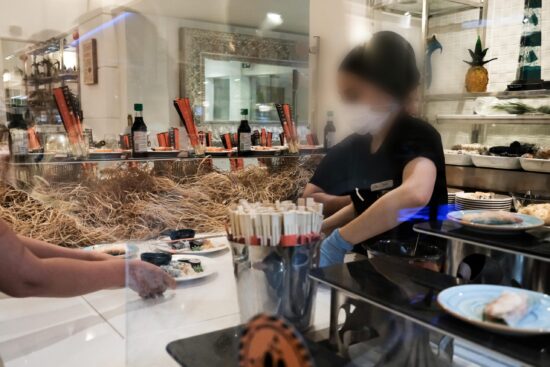
People with their faces and bodies covered by hijabs are visiting Japanese restaurants to eat sushi. Sushi, o…
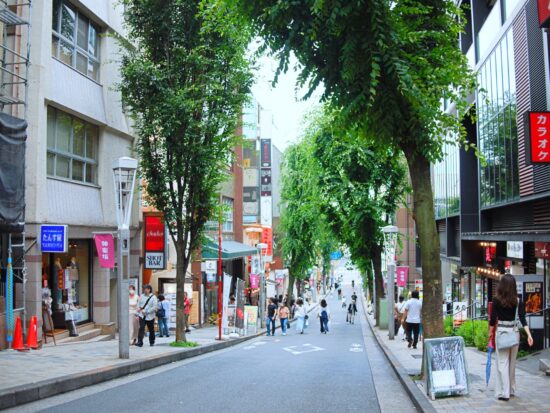
Kagurazaka once flourished as a key transit point during the Edo period, and today it is known for its charmin…

Omiya is one of Saitama Prefecture's leading commercial districts, with a long history centered on Hikawa Shri…

Kitasenju is an area in Adachi Ward, Tokyo, nestled between the Sumida River and the Arakawa River. Kitasenju …

Tamachi, once a paddy field area, is now known as Shiba and Shibaura, bustling as a business district and stud…
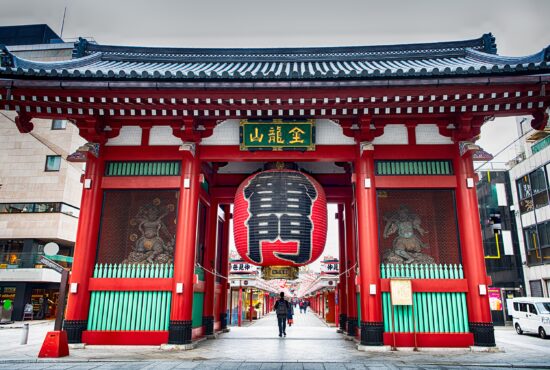
Asakusa is a richly atmospheric historic district located in Taito-ku, Tokyo, famous for Senso-ji Temple and i…
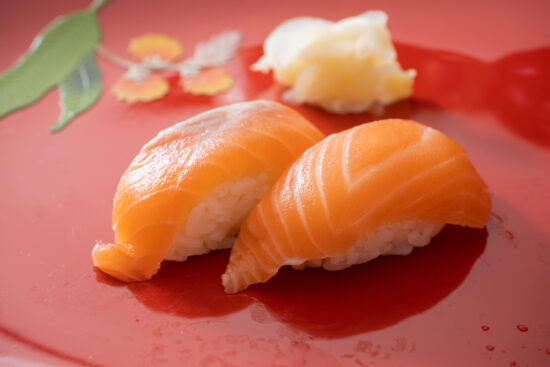
Edomae sushi, a Japanese food beloved around the world. The first thing that catches your eye in the Japanese …
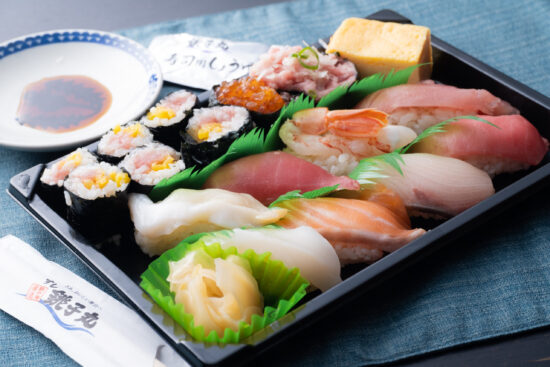
Choshimaru is a popular conveyor-belt sushi chain based in Chiba Prefecture with locations throughout the Kant…
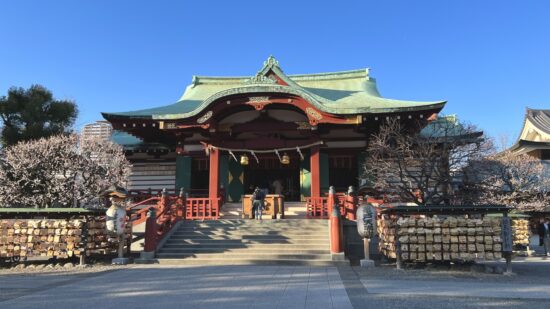
Kameido is an area with a lively shopping street around the station, where a wide variety of gourmet spots—sus…
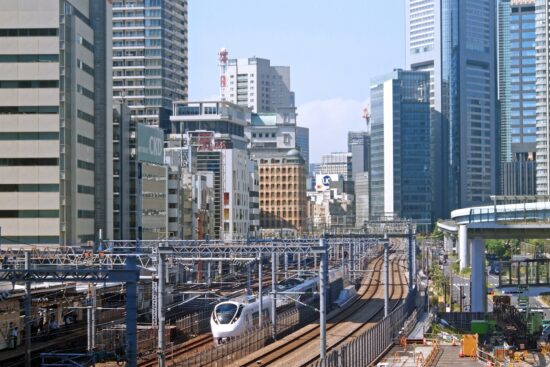
Hamamatsucho is a commercially developed area located in Minato-ku that has prospered since ancient times as a…
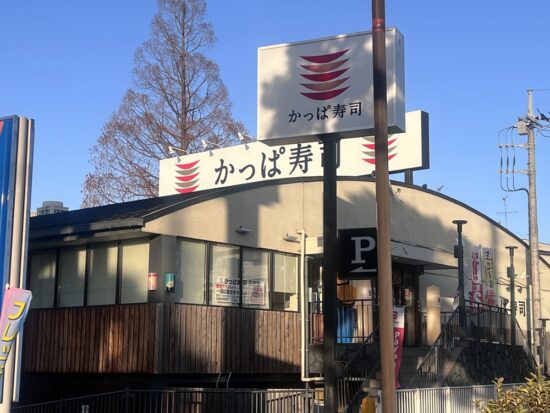
Kappa Sushi is a popular chain that has long supported the image of "tasty conveyor-belt sushi at affordable p…

Hello, lovers of conveyor-belt sushi and sushi fans! This time, we introduce the takeout menu of the popular …
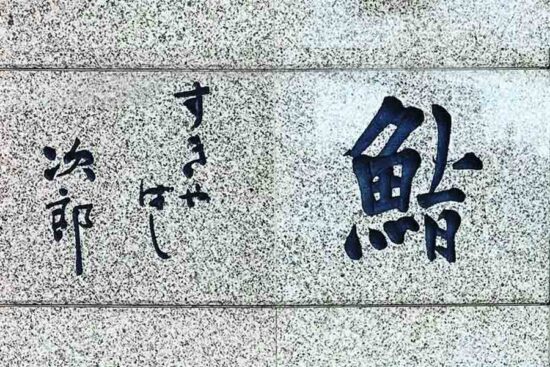
Among sushi lovers, many may have heard the name "Jiro Ono" or "Sukiyabashi Jiro." Jiro Ono is the founder …
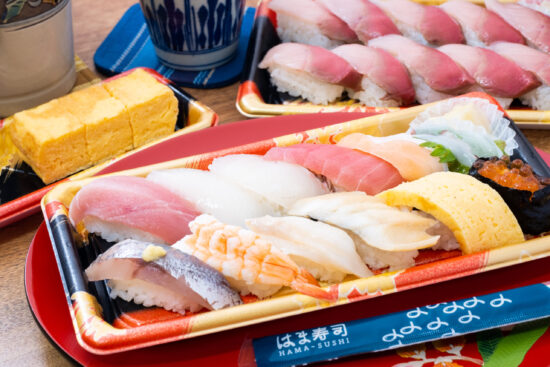
Hama Sushi, the affordable and popular conveyor-belt sushi chain, also offers a rich variety of takeout menu i…
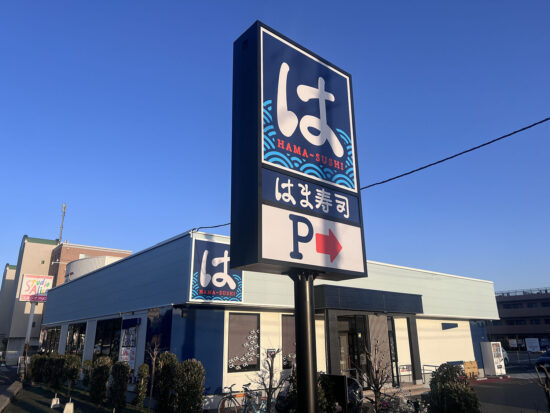
Hama Sushi is one of the leading chains in the conveyor-belt sushi industry, where you can enjoy authentic sus…
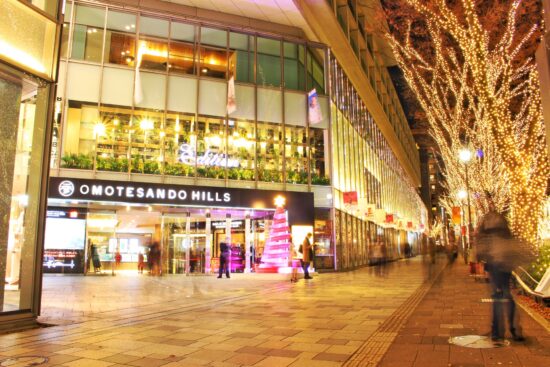
Renowned as one of Tokyo's leading trendsetting districts, Omotesando is an area bustling with apparel shops a…
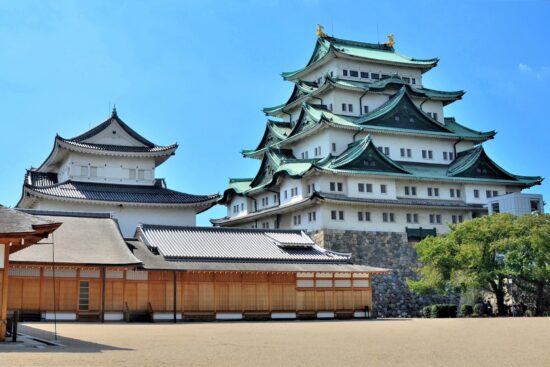
Nagoya is a city rich in history with a population of over approximately 2 million, and it offers numerous tou…

Inari sushi, with its appealing sweet-and-savory seasoning, is one of the sushi familiar to Japanese people. …
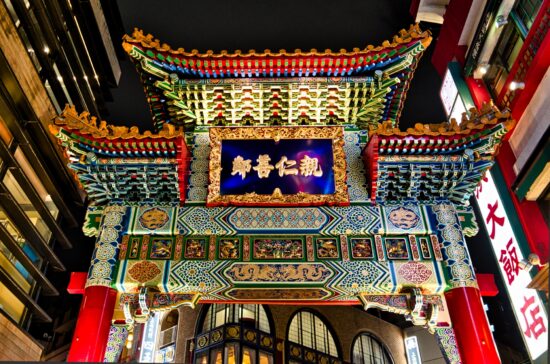
Kannai is an area where many gourmet shops gather, within walking distance of Yamashita Park and Yokohama Chin…

Umeda Station, the largest terminal station of the Hankyu Railway, sits amid one of Osaka's leading entertainm…
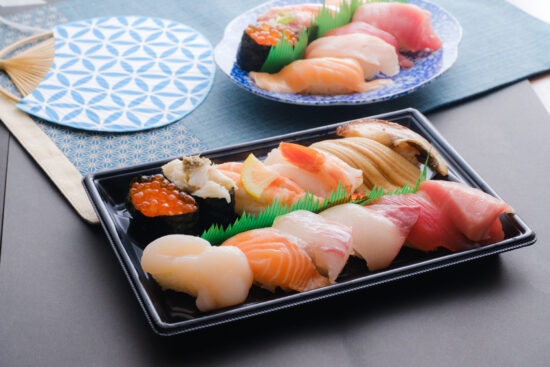
When you want to gather a large group at home for a meal, the takeout menus from conveyor-belt sushi restauran…
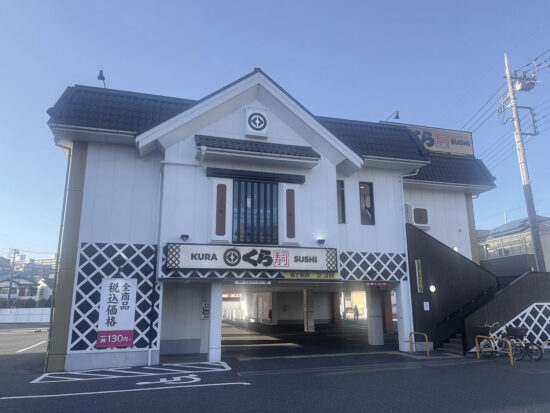
Kura Sushi is a chain with a distinctive presence even within the conveyor-belt sushi industry, having long ch…
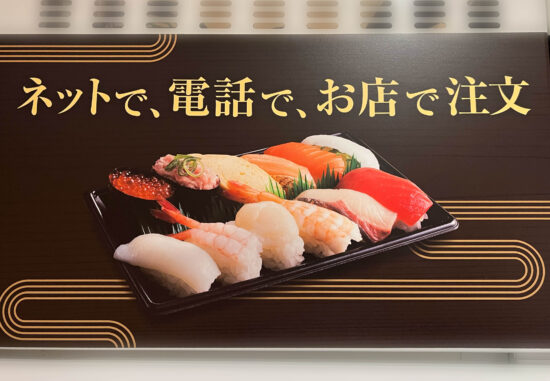
Sushiro takeout and to-go menu guide -- sets, ordering, and tips
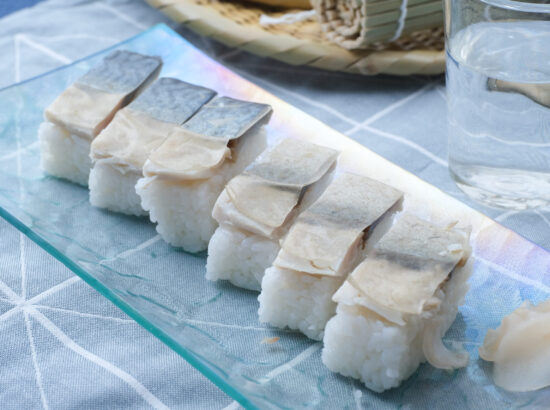
Why does a sushi born in Japan have a katakana name like "battera"? It's delicious, yet a little mysterious—b…
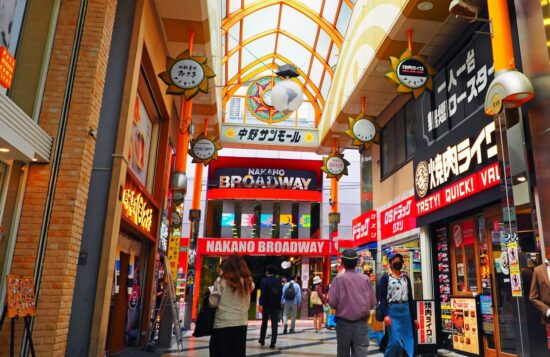
Nakano is known for Nakano Broadway as a popular spot, and around the station there are many shopping streets,…
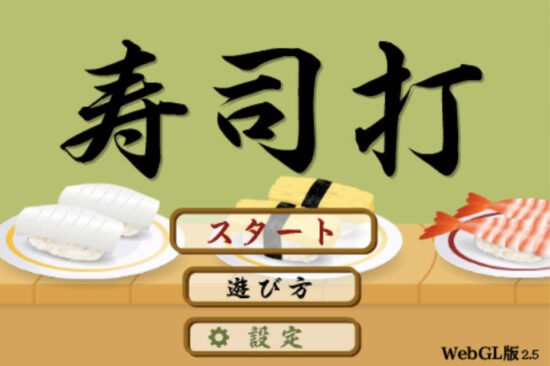
Sushi lovers, do you know a game called "Sushida"? As its name suggests, "Sushida" is the name of an online g…
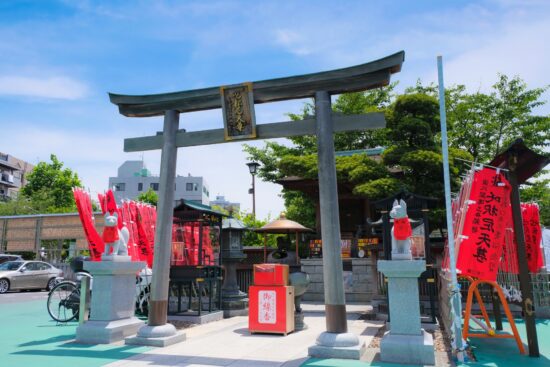
Monzen-Nakacho is an appealing town with lively shopping streets. Around the station, you'll find not only su…

Tennoji is a vast district in Osaka City, where Tennoji Park and shopping malls bustle with activity. There a…

The word "sushi" can be written with several different kanji. You commonly see it written with the characte…

Sapporo is a modern city of about 2 million people that is rich in greenery and coexists with nature. While it…
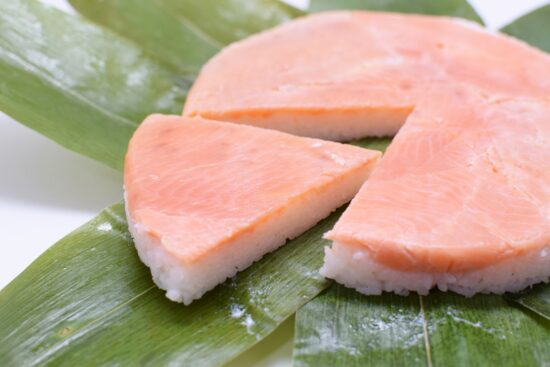
Many people have probably seen masu-zushi (trout sushi) sold as ekiben (station boxed lunches). While it diffe…

Temari-zushi, popular among women for its adorable appearance. Temari-zushi is more colorful and more photoge…
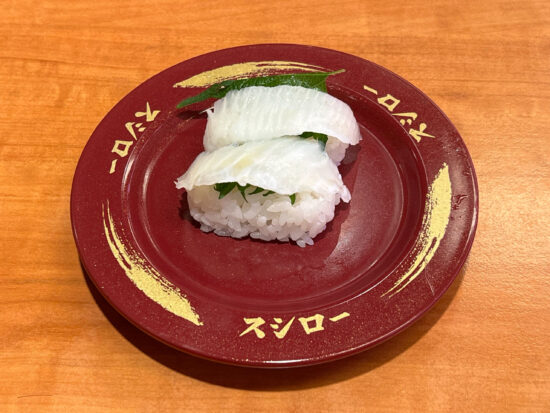
One of the popular menu items at conveyor-belt sushi is a topping called engawa. Engawa, with its pleasantl…
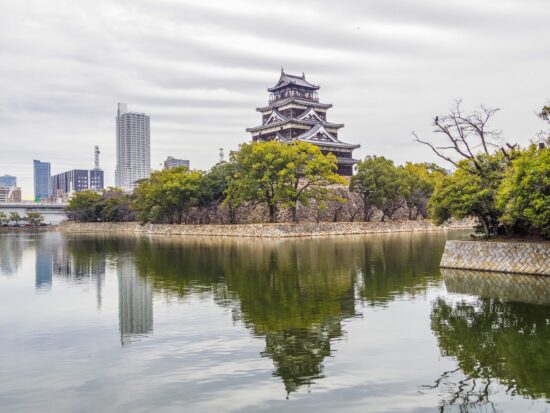
Sushimaru is a conveyor-belt sushi restaurant beloved mainly in Hiroshima Prefecture, as well as in Okayama an…
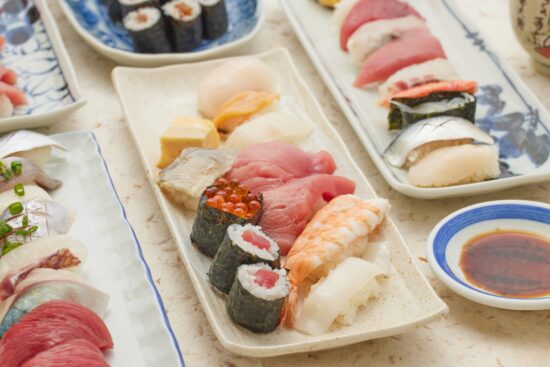
"Totomaru" is a conveyor-belt sushi chain with more than 20 locations, centered on Aichi Prefecture. Because …
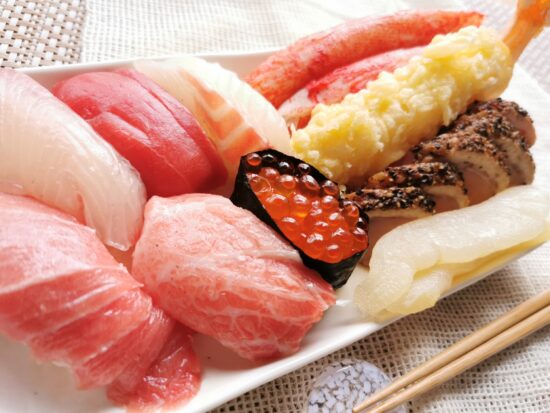
Have you heard of "Sushi to Tempura to Watakushi," which has stores in Kyoto and Nagoya? Since opening in 202…
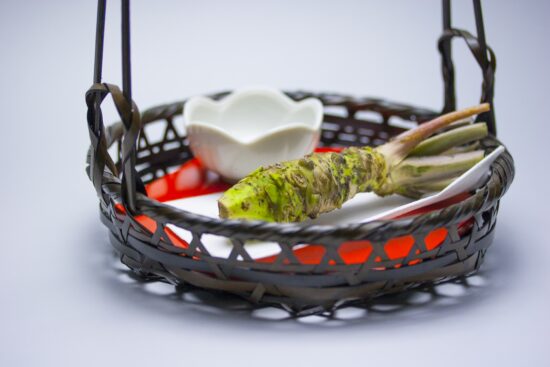
When you buy sushi, wasabi comes with it. The excellent affinity between sushi and wasabi, as it turns out, ho…
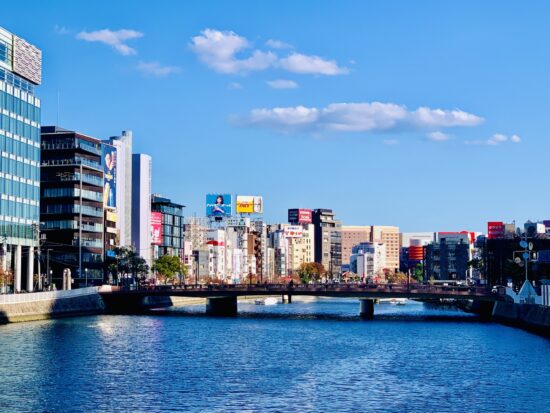
"Hyotan Sushi" in Fukuoka Tenjin is a sushi restaurant in a prime location right next to Solaria Stage at Tenj…
Uobei is a popular conveyor-belt (kaiten) sushi chain operated by Genki Global Dining Concepts, the company be…
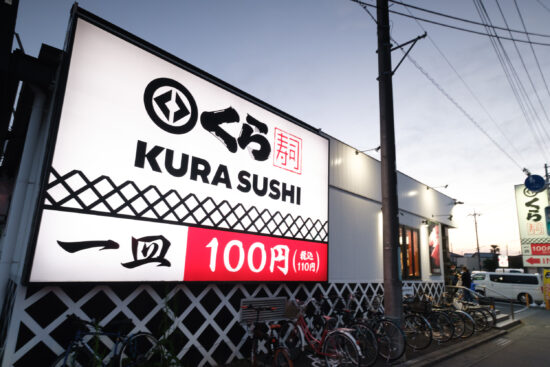
Conveyor-belt sushi, which lets you enjoy sushi casually, has now become a part of Japan's food culture. Wh…
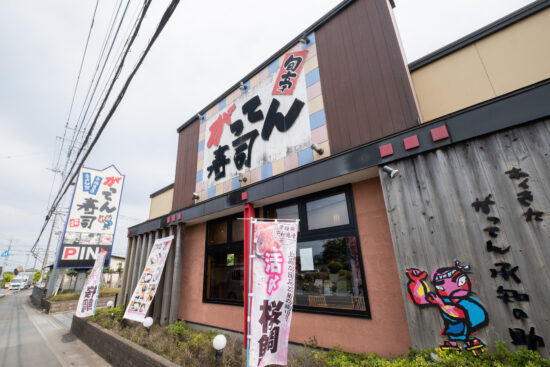
Gatten Sushi is an authentic conveyor-belt sushi chain dedicated to having its chefs form each piece by hand. …
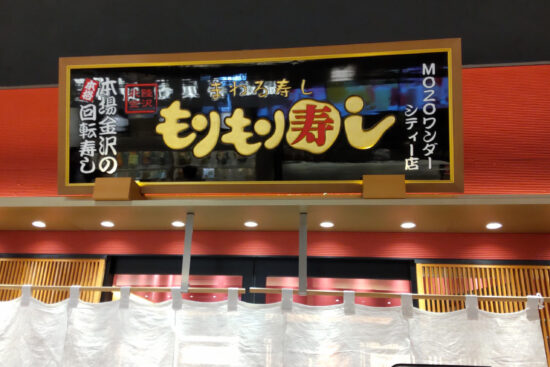
Morimori Sushi is a conveyor-belt sushi chain centered in Ishikawa Prefecture. Since its founding in Nonoichi,…
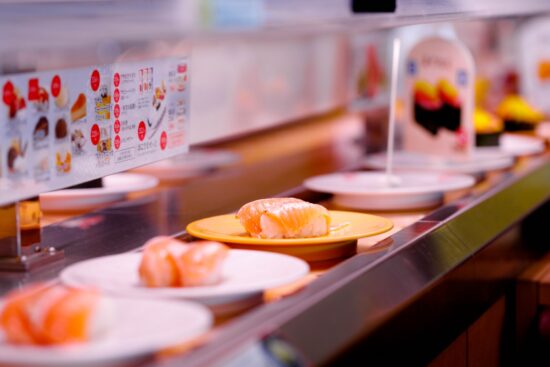
Among the food-service industry, one sector is especially thriving: conveyor-belt sushi. Many people may have…

Alongside nigiri sushi, the food considered representative of sushi is rolled sushi (Maki Sushi / Nori Sushi).…

One of the things trending on recent social media: "niku-zushi" (meat sushi). Niku-zushi can now be seen in a…

Conveyor belt sushi has become very familiar in recent years. What once had the feel of being mainly for fami…
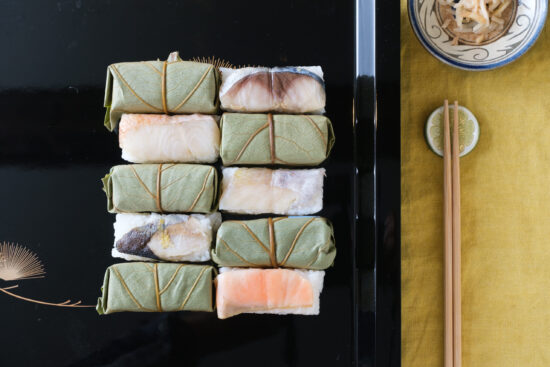
Many people have probably seen Kakinoha-zushi while traveling or at regional product fairs. Kakinoha-zushi is…
"Uobei" is one of the major robot-style conveyor-belt sushi chains in the Genki Sushi group, offering not only…
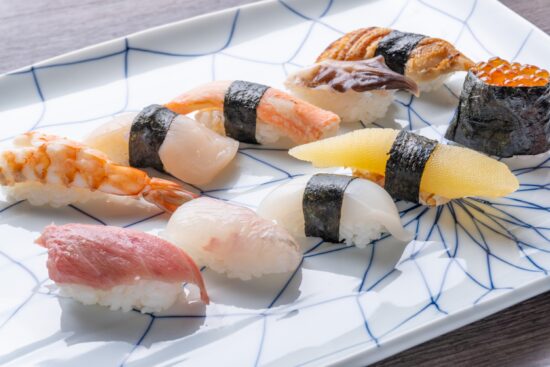
"Otaru Masazushi," where you can eat delicious fresh fish from Hokkaido. It is a popular restaurant that ha…
Takeout items from conveyor-belt sushi restaurants are very convenient for enjoying sushi at home. They are po…
Sushi is widely known overseas as a representative dish of Japanese cuisine. After drawing attention starting…
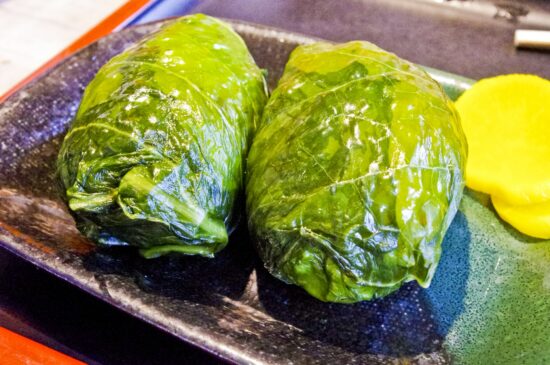
Sushi boasts a long history. As regional cuisine with unique characteristics, sushi can be found throughout J…
"Totomaru" is a conveyor-belt sushi chain operating more than 20 stores, mainly in Aichi Prefecture. Because y…
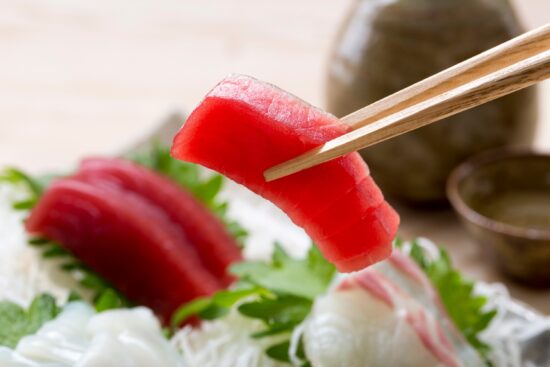
Sashimi (SASHIMI) has now gained international recognition. As a representative dish of Japanese cuisine, whi…
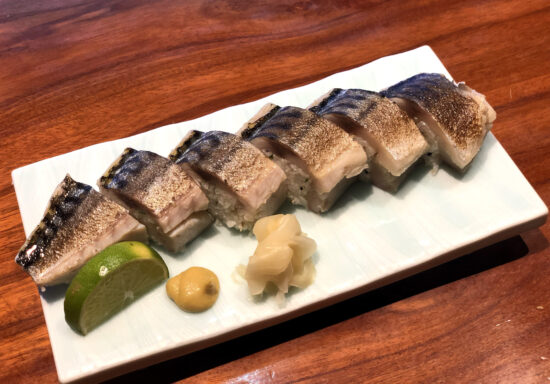
Something you often see when you go to Kansai is saba-zushi (mackerel sushi). Saba-zushi, with the exquisite …

Widely known around the world, "sushi" is one of the Japanese foods loved in South Korea as well. In South Ko…
When you want to gather with many people and dine at home, the takeout menu of conveyor-belt sushi is convenie…

Sushi, loved by many people. Recently it has become extremely popular among foreigners as well, and demand is…

"SUSHI," widely known overseas as a representative of Japanese cuisine. After drawing attention starting with…
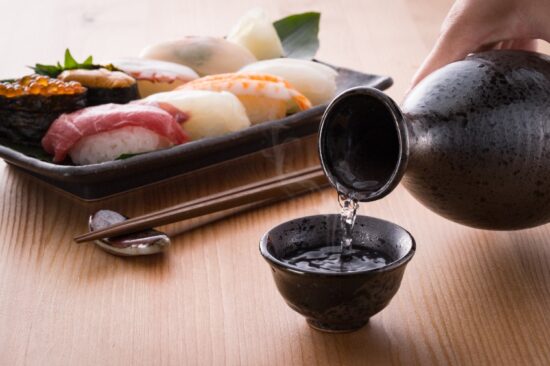
"Yataizushi" is a popular sushi izakaya chain operating nationwide. With its reasonable prices and wide-rangi…
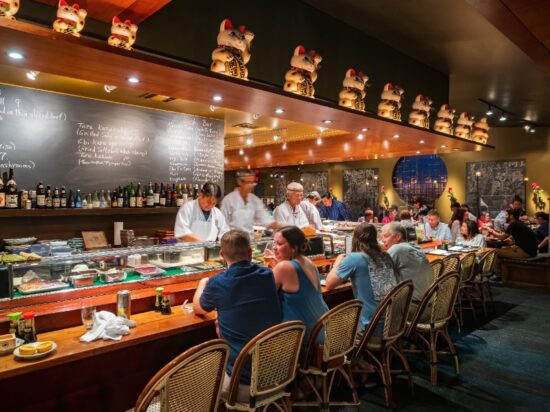
"SUSHI," widely known overseas as a representative Japanese food. After drawing attention starting with a boo…

One of the essentials for a wonderful date in the United States is SUSHI. From Los Angeles to New York, sushi…

"Sushi Kuine!" is a sushi restaurant with five locations in Ishikawa Prefecture and three in Toyama Prefecture…
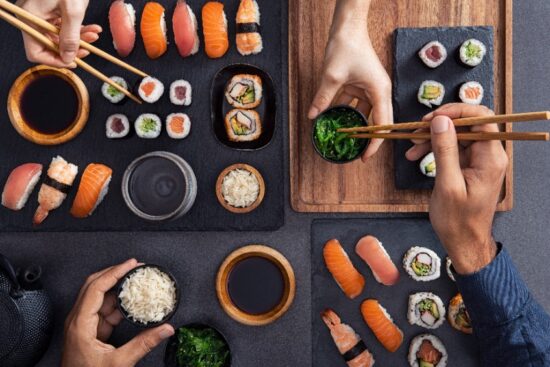
In 2013, "washoku" (traditional Japanese cuisine) was registered as a UNESCO Intangible Cultural Heritage. …
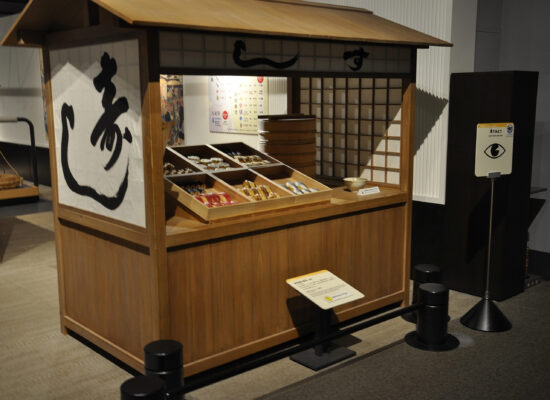
Japanese sushi, now popular around the world as "SUSHI." In surveys of foreigners about their favorite Japa…
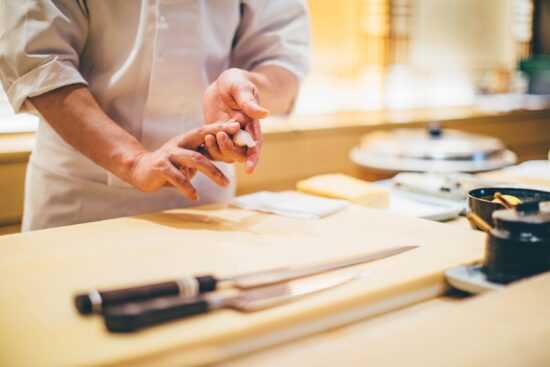
Sushi has become known overseas, and its fame grows higher year by year to the point that there is hardly a fo…
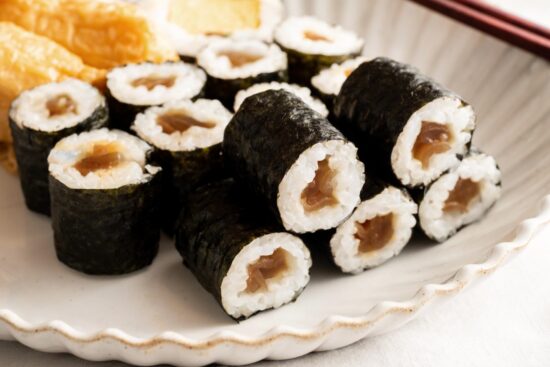
Maki-zushi (rolled sushi) has long been cherished not only at sushi shops but also at home and at bento shops.…

White-fleshed fish (shiromi) is a sushi topping about as popular as tuna. Rather than the relatively distinct …
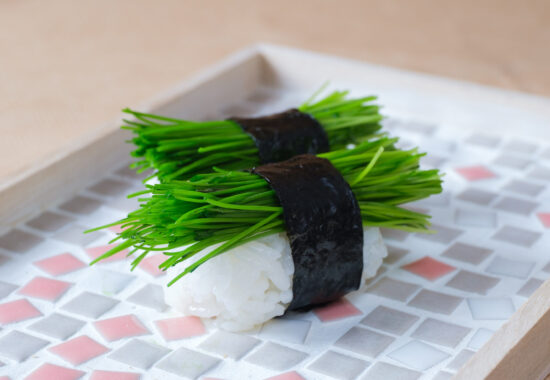
Do you know the sushi called "menegi sushi"? It's an unusual sushi where small green onions are placed on vine…

Today, the common image of sushi is seafood placed on top of vinegared rice, but this nigiri-zushi (hand-press…
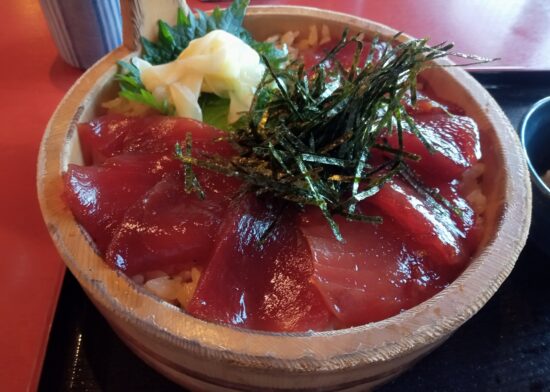
"Tekone-zushi" is a type of chirashi-zushi and a local dish found throughout Japan, but the tekone-zushi of th…
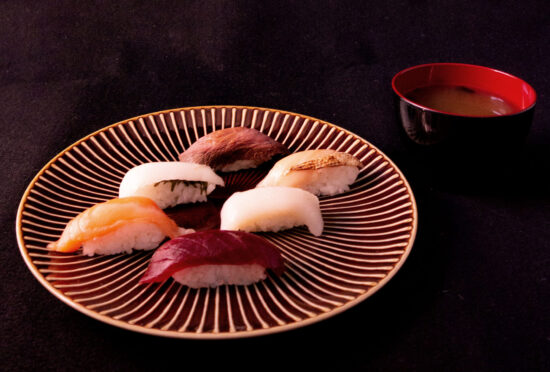
In cooking, taste is of course important, but appearance is also an important element. For example, as you can…

Shellfish, often used as sushi toppings. Familiar shellfish include bivalves such as asari clams and hamaguri …
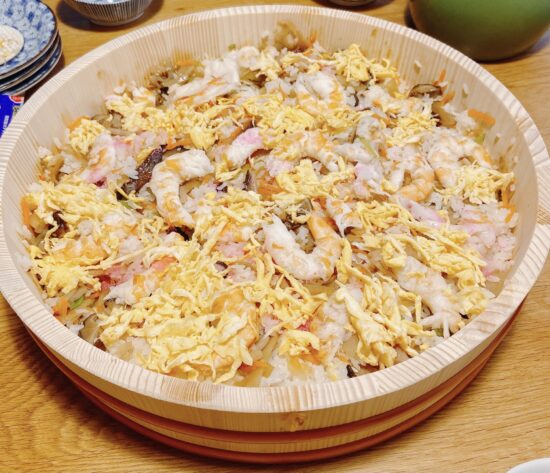
When people think of sushi, most picture nigiri sushi. But all across Japan there are also "local sushi" (kyod…
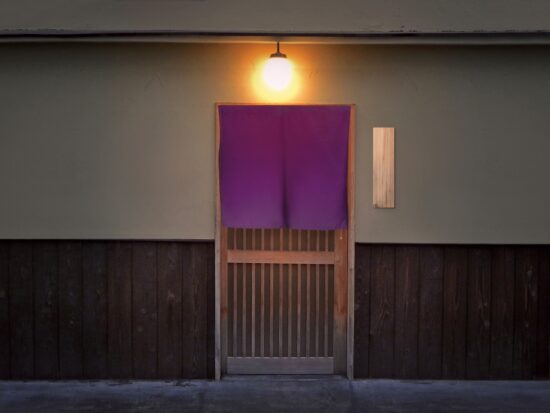
Among the many Japanese foods, "sushi" is the very byword for a treat that everyone loves. Sushi, whose delici…
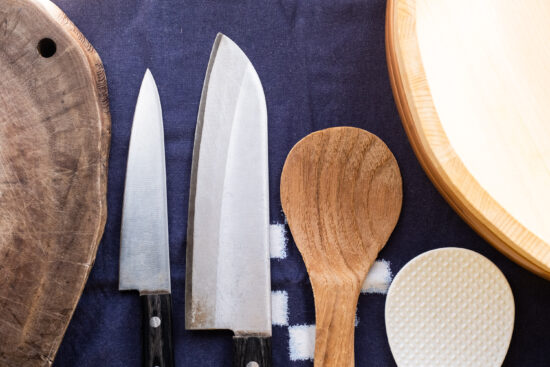
Do you feel that "making sushi seems difficult" or "it takes years of training to form sushi by hand"? That is…
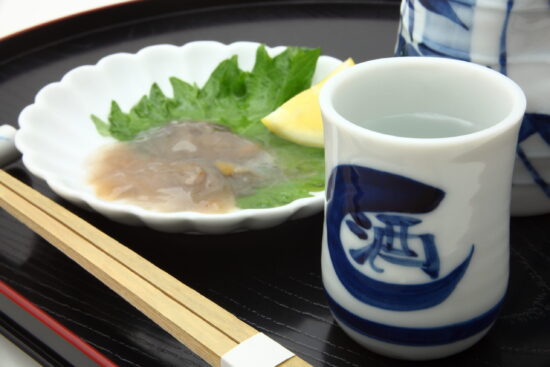
There are many sushi restaurants where, of course the sushi is delicious, but the à la carte dishes are also w…

There are various kinds of rolled sushi, such as tekkamaki and kappamaki, but did you know there is a sushi ca…
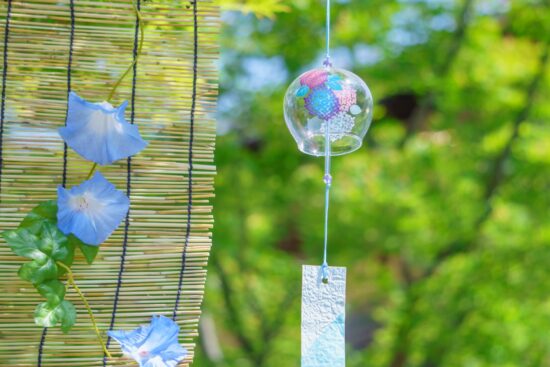
Many people think of sushi, which uses raw seafood, as having its prime ingredients in winter. But in fact,…
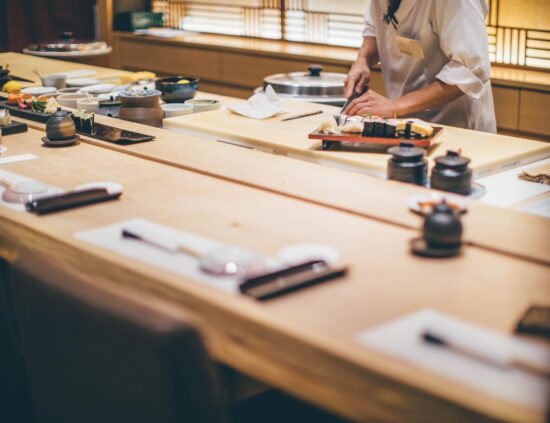
Conveyor-belt sushi, where you can enjoy delicious sushi at a reasonable price, is great too, but sometimes yo…
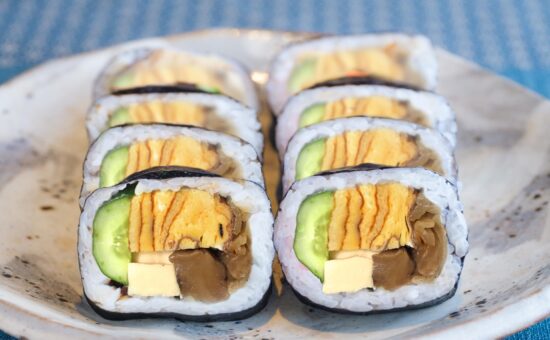
Have you ever heard the name Meister Kobo Yachiyo? It's a shop, known to those in the know, whose rolled sush…
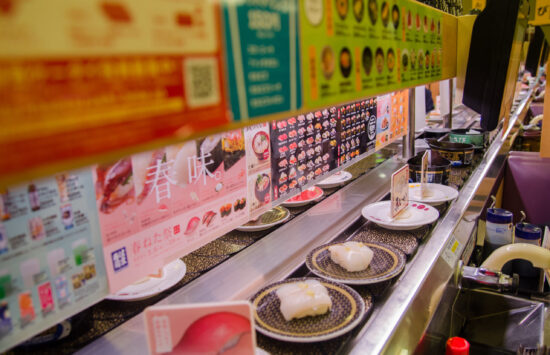
When Genroku Sushi opened its first conveyor-belt sushi store in 1958, it spread across Japan in no time, beco…
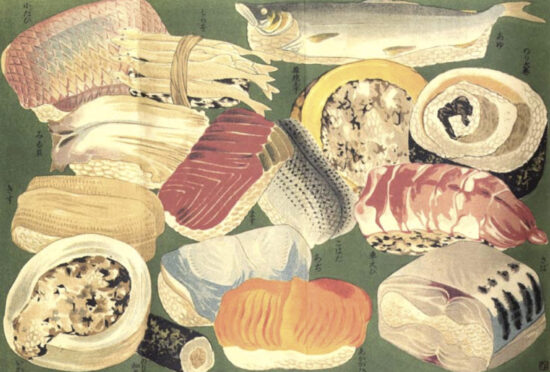
When asked what represents Japanese cuisine, many people think of sushi first, don't they? Yet, compared to it…

Do you know how much Edomae sushi and Kansai sushi differ? There are many types of sushi, such as nigiri su…
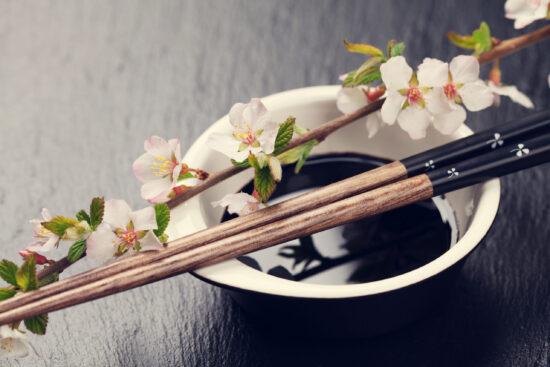
"Sushi," a dish representing Japan's food culture. The culture of sushi, born in the Edo period, has spread gr…

Nigiri sushi, which began with Edomae sushi and has now become a dish representing Japan, beloved by many peop…
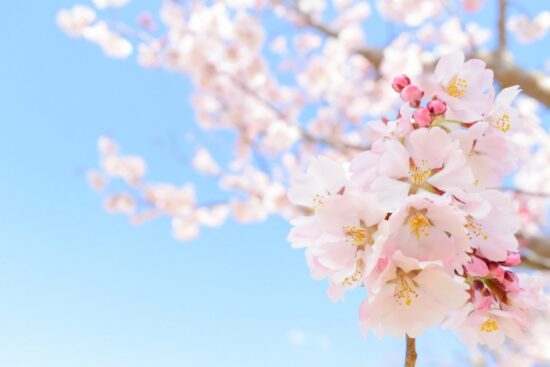
Sushi is eaten all year round, but fish have their own season depending on when they are caught. Fish eaten i…

Japanese sushi is now loved all over the world. It has spread across the globe as "SUSHI," to the point that u…
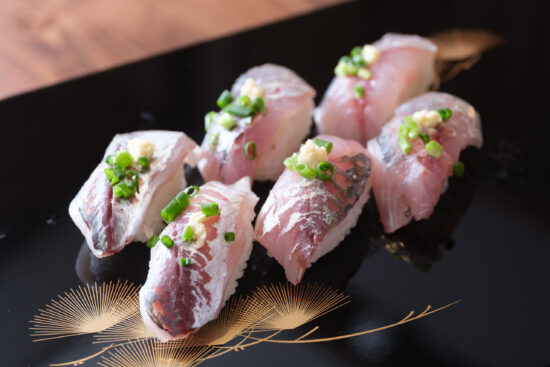
Hikarimono (silver-skinned fish) is one of the most beloved types of sushi topping. Depending on the fish, the…
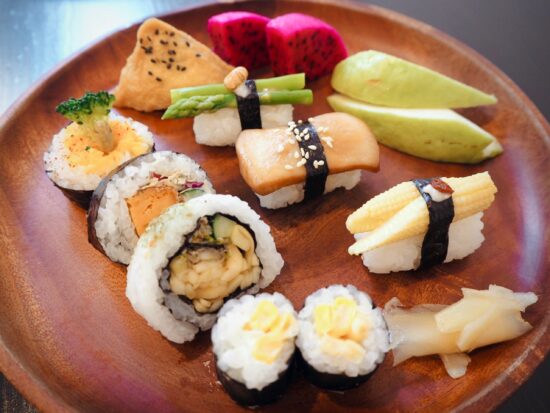
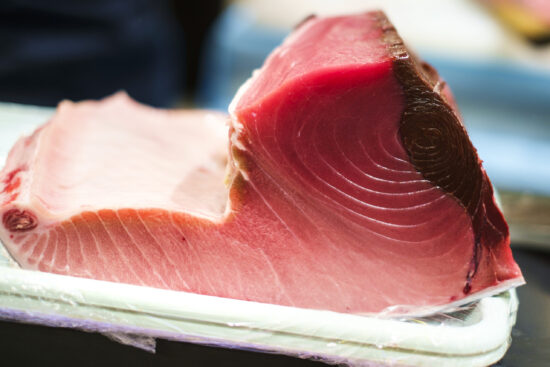
This time, as basic knowledge about sushi, let's take a look at the sushi topping "akami" (red-fleshed fish). …


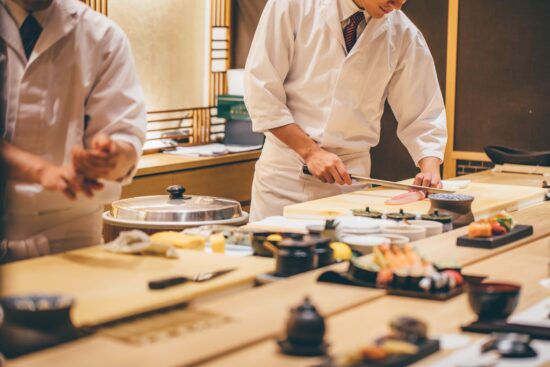
A sushi restaurant loved by many people is not simply a restaurant where the sushi is delicious. From creatin…
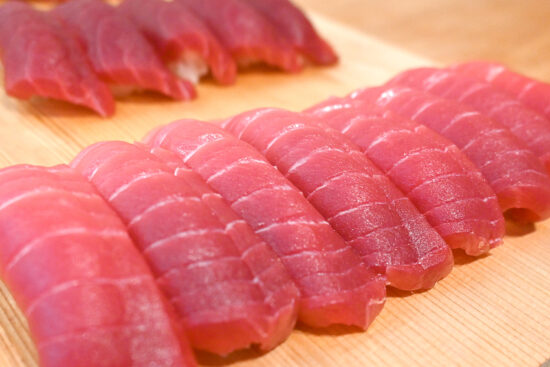
You want to make sushi at home, but you're tired of hand rolls and chirashi sushi, and yet nigiri sushi feels …
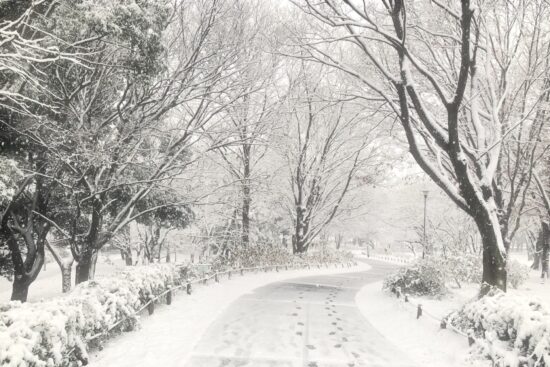
When the cold season comes, you start wanting to eat something with a slightly richer taste, don't you? Many o…
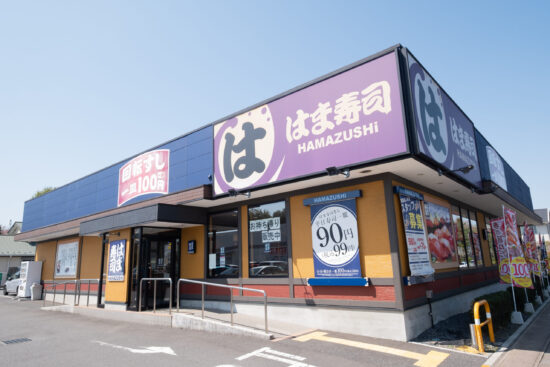
Hama Sushi, the cheap and popular conveyor-belt sushi chain. Recently many conveyor-belt sushi chains have sta…
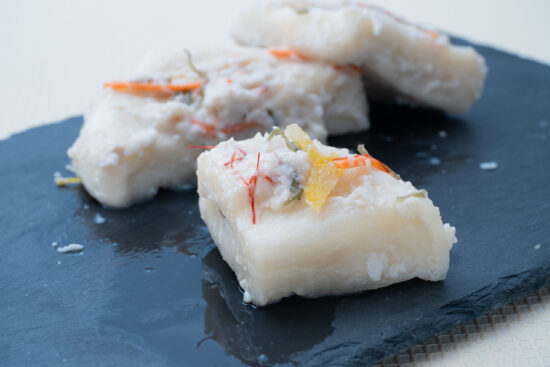
"Kabura-zushi," a dish representative of the Hokuriku region. As a specialty of Ishikawa and Toyama prefecture…
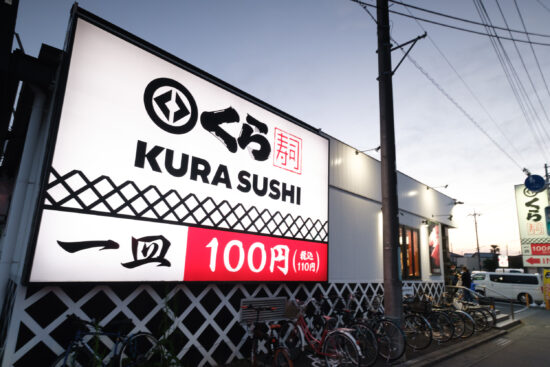
It is no exaggeration to say that everyone in Japan knows Kura Sushi, a popular major conveyor-belt sushi chai…
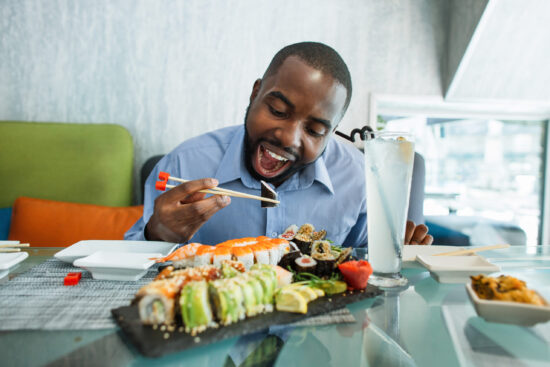
There are many kinds of Japanese cuisine, but sushi is especially popular among them, eaten all over the world…
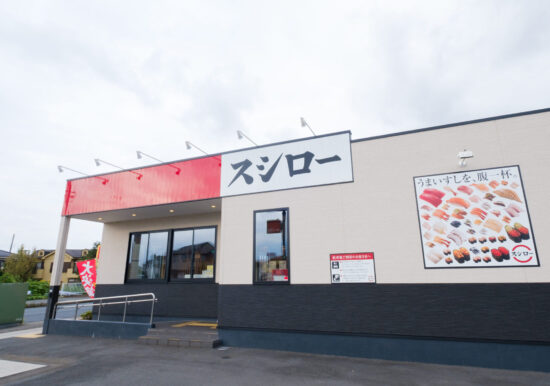
Among nationwide chains, Sushiro boasts the largest number of stores in Japan. It also runs limited-time produ…
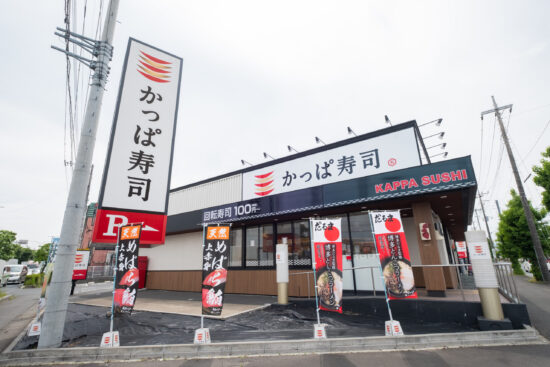
Kappa Sushi, known as a great-value conveyor-belt sushi chain, also offers a rich takeout menu. For those who …
Choshimaru is a conveyor-belt sushi chain based in Chiba Prefecture and expanding across the Kanto region. Be…
The season called "autumn, the season of appetite" arrives for sushi too. This is the time when there is an in…