How to Choose the Right Soy Sauce for Sushi and Sashimi
Types of Soy Sauce
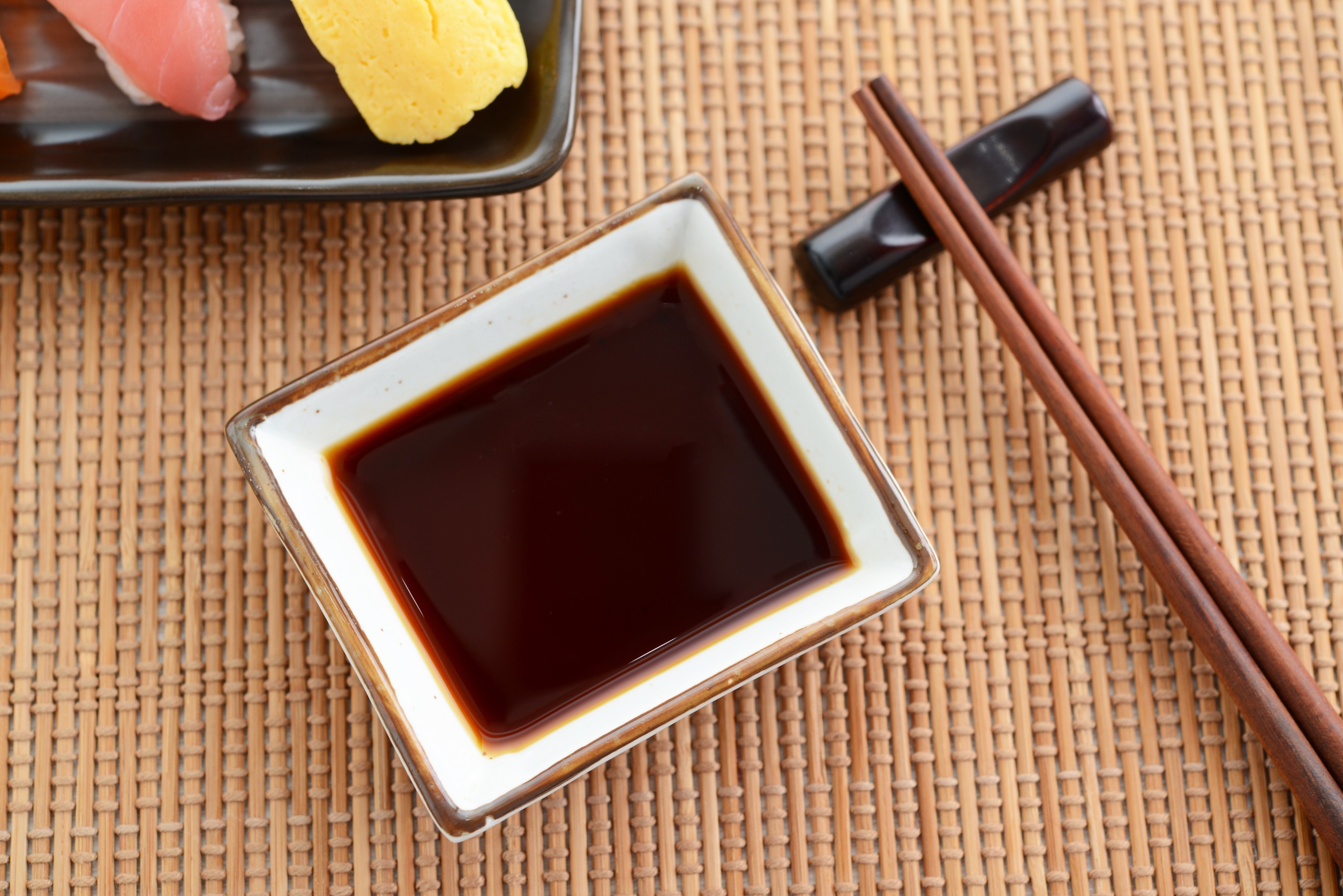
Before learning which soy sauce is recommended for each sushi topping, let us first deepen our understanding of what soy sauce is.
Soy sauce is, simply put, a liquid seasoning made using soybeans, and it is usually classified into five types: koikuchi (dark) soy sauce, usukuchi (light) soy sauce, saishikomi (twice-brewed) soy sauce, tamari soy sauce, and shiro (white) soy sauce.
The soy sauce often seen as suited to sushi and sashimi is "sashimi soy sauce," and "sashimi soy sauce" frequently uses "saishikomi soy sauce" or "tamari soy sauce," or processed versions of them; their distinctive umami, sweetness, and thickness are said to bring out the flavor of the fish.
Koikuchi (Dark) Soy Sauce
This is an all-purpose soy sauce often used at home, accounting for nearly 80% of total distribution, and it is also used for sashimi and sushi.
It is by no means a bad flavor, but the broad flavor that comes from its versatility may sometimes not suit the delicate taste of sashimi and sushi toppings.
Saishikomi (Twice-Brewed) Soy Sauce
Saishikomi soy sauce is a rich soy sauce aged over a long period.
Because more soy sauce is added to already-finished soy sauce for brewing, it requires nearly double the ingredients and time compared to koikuchi soy sauce, but its good balance of taste and aroma makes it a soy sauce said to pair easily with sushi and sashimi.
Tamari Soy Sauce
Tamari soy sauce is characterized by its concentrated, deep umami and an aroma that brings out the ingredients.
Unlike koikuchi soy sauce, which uses roughly equal amounts of soybeans and wheat, its ingredients are almost entirely soybeans, so it is packed with umami and also contains plenty of healthy protein.
Due to its high umami content, it is a soy sauce often used for sashimi, sushi, tsukudani, senbei, teriyaki, and the like.
Usukuchi (Light) Soy Sauce
A light-colored soy sauce familiar in western Japan. It is used in dishes where you want to make the most of the color of the ingredients and the dashi, such as simmered dishes and clear soups. In regions where usukuchi soy sauce is used, households often have both koikuchi and usukuchi soy sauce.
Shiro (White) Soy Sauce
With a wheat-to-soybean ratio of about 9:1 and a short aging period, it is a soy sauce that is light in color.
Lighter even than usukuchi soy sauce, with higher sugar content and subdued color, it makes the most of the natural color of ingredients and brings out their inherent flavors.
It also adds richer color to clear soups and chawanmushi.
In addition to these five types, there is also a soy sauce called "amakuchi (sweet) soy sauce," made by adding sugar or sweeteners to koikuchi soy sauce, often seen in Kyushu and Hokuriku. "Amakuchi soy sauce" is also used for sushi and sashimi and is said to pair well with light-flavored white-fish sushi toppings and sashimi.
As you can see, each soy sauce has its own characteristics, and the key to choosing a soy sauce that suits sushi and sashimi is not simply its flavor or seasoning, but the effect it has on the ingredients.
In other words, the suitable soy sauce differs depending on the seafood, and since it cannot be said that any one soy sauce is the best, choosing the appropriate soy sauce for each sushi topping broadens the enjoyment of eating sushi.
What Is Sashimi Soy Sauce? The Difference Between Sashimi Soy Sauce and Ordinary Soy Sauce
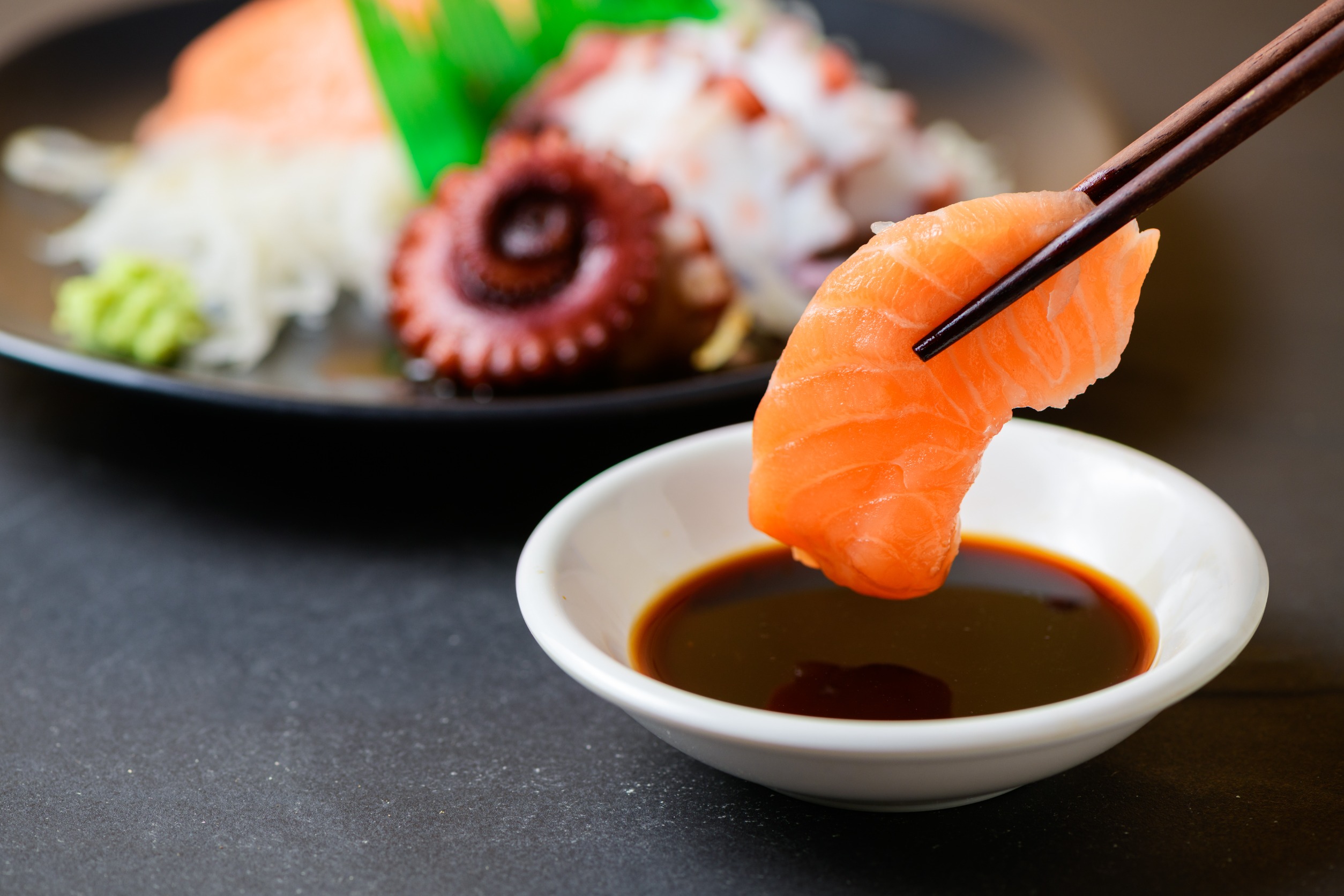
"Sashimi soy sauce," said to suit sushi and sashimi, has no clear definition; it is generally a processed version of ordinary soy sauce with added katsuobushi (dried bonito), kombu dashi, seafood extract, and the like.
Its characteristics are that, in order to complement the taste of light-flavored sushi toppings and suppress the fishy smell of fish, it often has more umami and sweetness, as well as stronger thickness and color, than ordinary soy sauce.
"Saishikomi soy sauce" and "tamari soy sauce" are also sometimes treated as sashimi soy sauce due to their deep flavor and aroma and rich seasoning, but sashimi soy sauce itself is basically not classified into the categories mentioned earlier.
Because the raw materials that can be used for "soy sauce"—soybeans, wheat, rice, salt, and so on—are limited, "sashimi soy sauce" using bonito or kombu is, strictly speaking, not "soy sauce" but a "processed soy sauce product" made by processing soy sauce to suit sushi and sashimi.
Recommended Soy Sauces for Each Sushi Topping
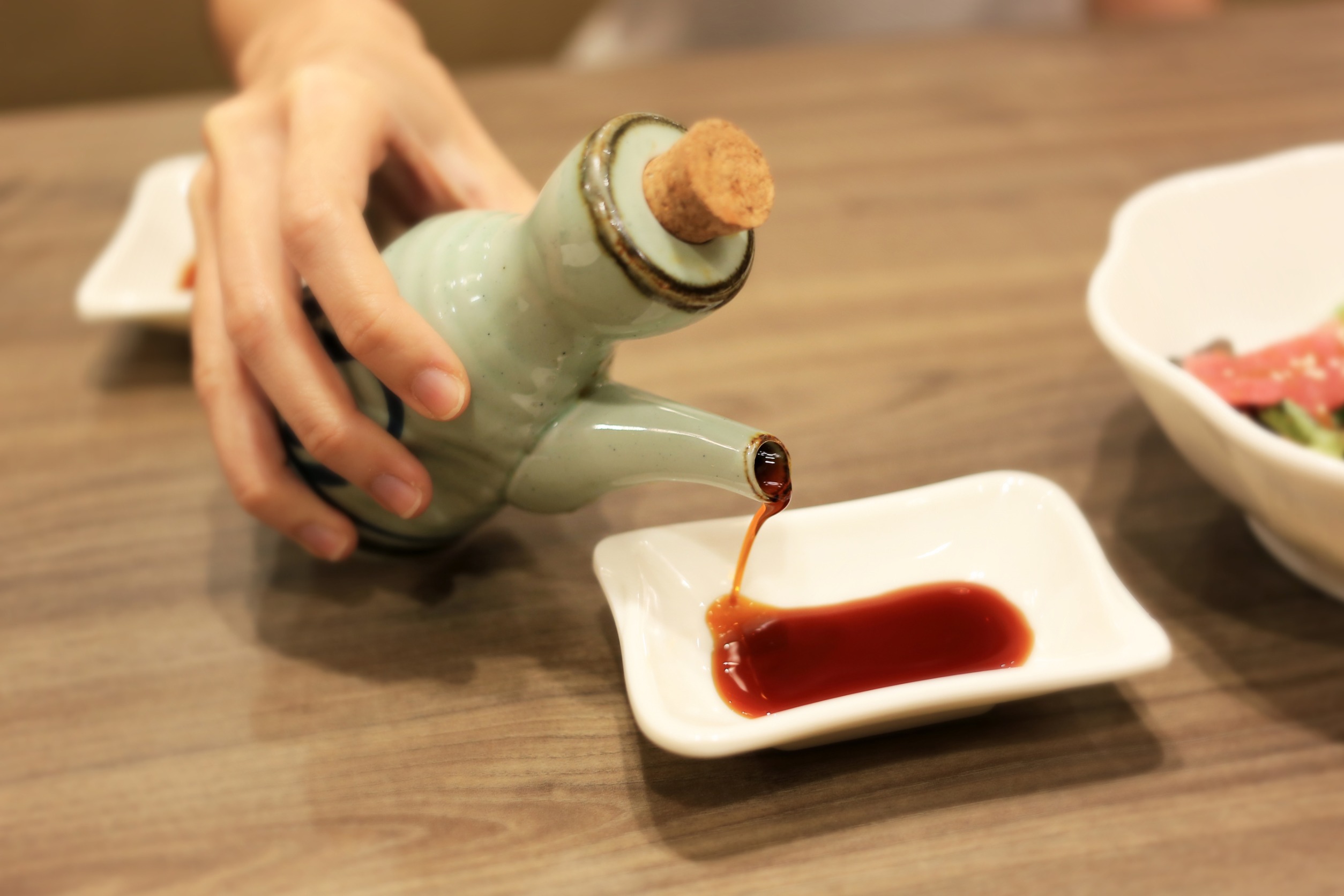
Although soy sauce brings out the deliciousness of sushi, as mentioned earlier, the optimal soy sauce changes depending on the sushi topping, so it cannot be decided that this one is the answer for everything.
Here, let us look at the soy sauces that suit some representative sushi toppings.
Tuna
For tuna, which has a rich flavor, we recommend "tamari soy sauce," "saishikomi soy sauce," or "sashimi soy sauce," which have body and umami that can stand up to it.
Salmon
For salmon, a relatively mild sushi topping, easy-to-pair koikuchi soy sauce is best.
It does not interfere with the taste of the sushi topping, allowing you to feel the umami of the salmon.
White Fish
For white-fish sushi, usukuchi soy sauce or shiro soy sauce is good.
Since the flavor of the soy sauce itself is restrained, it can bring out the flavor of the white fish.
Scallop and Sweet Shrimp
For sushi toppings with strong sweetness, we recommend koikuchi soy sauce, which does not erase the sweetness.
You can feel the saltiness of the soy sauce while retaining the sweetness of the sushi topping.
Of course, everyone's sense of taste is different, so what we recommend here is not necessarily the correct answer.
It is important to choose the optimal soy sauce to suit your own preferences.
If you absolutely had to choose just one, it might be good to try a "sashimi soy sauce" that is not too sweet.
Also, if you do not have sashimi soy sauce, you can substitute it for "sashimi soy sauce" by adding a little mentsuyu to koikuchi soy sauce.
Recommended Soy Sauces That Suit Sushi and Sashimi
Finally, let us introduce recommended soy sauces that suit sushi and sashimi.
Please use these as a reference and enjoy even more delicious sushi and sashimi at home.
Hita Shoyu Sushi Murasaki 500ml
This is a sweetish tamari soy sauce made with a traditional method dating from the Edo period.
As its name suggests, it is made to suit sushi and sashimi, so it can be especially recommended for those who like sweetish soy sauce.
[Rakuten] Hita Shoyu Sushi Murasaki 500ml, Established 170 Years Ago
Houjun Tennen Kake Shoyu 500ml
This is a soy sauce made by adding the concentrated umami of bonito dashi and kombu dashi to traditional aged koikuchi soy sauce.
Though it is a type of sashimi soy sauce, its versatile flavor suits various dishes, so it is recommended for those who want to manage with just one bottle.
[Rakuten] Houjun Tennen Kake Shoyu 500ml, Set of 6
"Kinsho" 1L
This is a sashimi soy sauce made to bring out the flavor of ingredients such as fresh fish sashimi, seafood bowls, and sushi.
With its distinctive golden color, you can enjoy it visually as well.
[Rakuten] "Kinsho" Commercial-Use 1L
Sashimi Shoyu Amakuchi 1L
This is a sweet-type sashimi soy sauce with reduced salt and moderate thickness.
It can be recommended for those who like sweet, rich soy sauce.
[Rakuten] Sashimi Shoyu Amakuchi 1L
Kyoto Kappo Takemo "Tamari Joyu" 1.8 Liters
This is a sashimi soy sauce that uses soybeans abundantly and is characterized by stronger umami and thickness than other soy sauces.
It is a commercial-use soy sauce popular at Japanese restaurants in the Kyoto Tamba area.
References
おいしいたまり醤油 | イチビキ Official Website
醤油の種類 | Craftsman醤油 - 醤油を使い分けると、食はもっと楽しくなる!