Become a Sushi Expert! The Many Types of Sushi
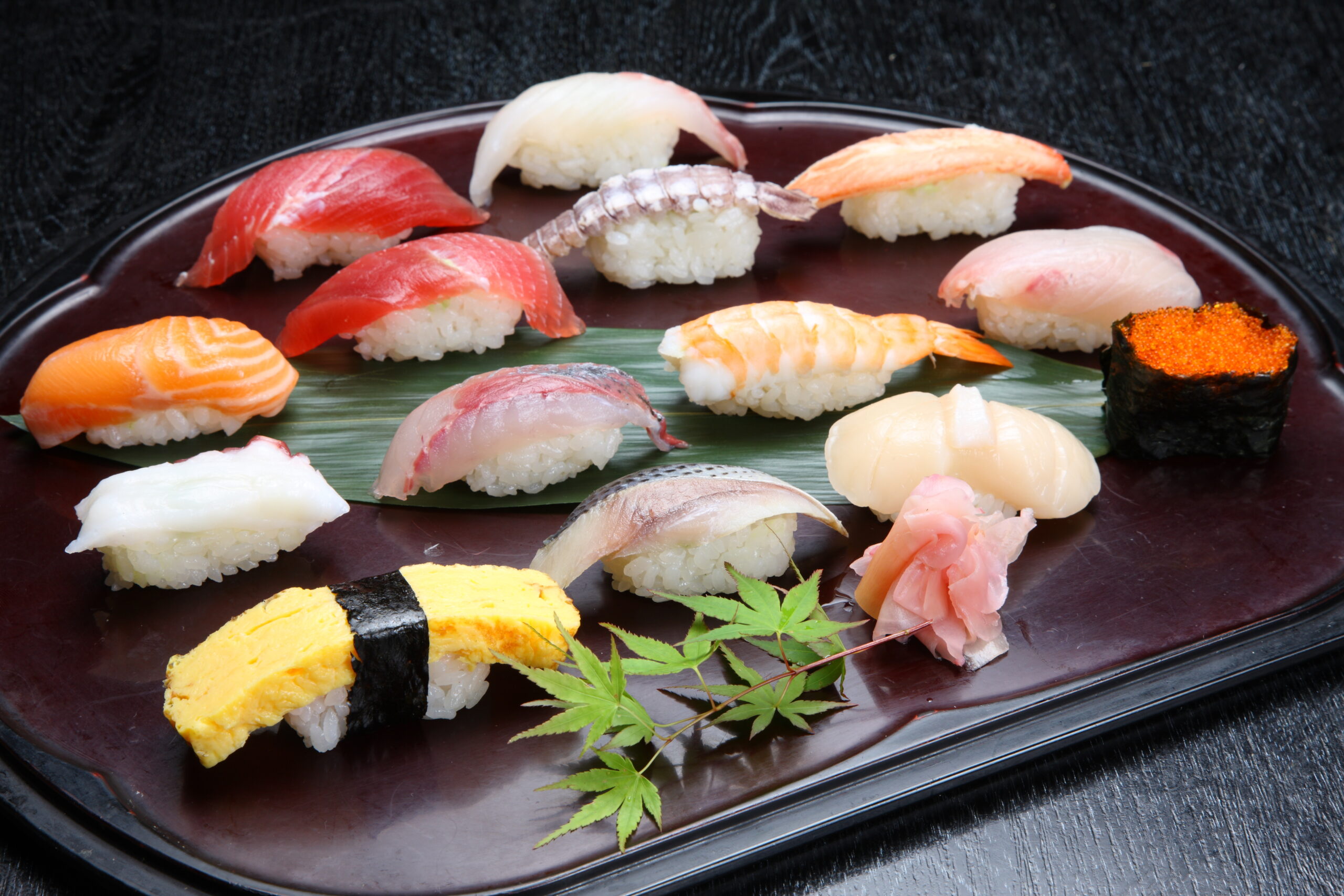
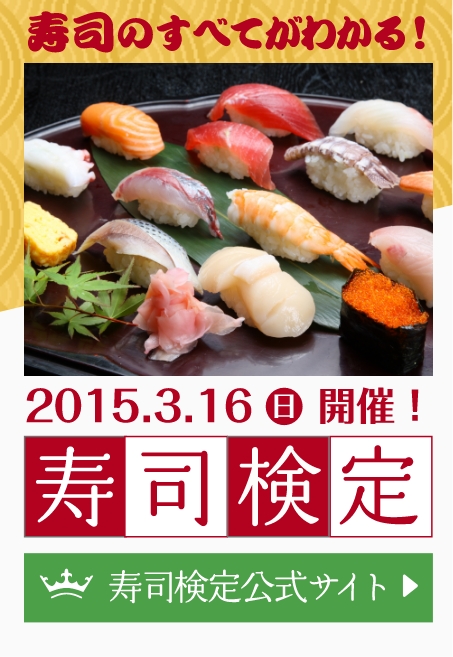
When you hear the word "sushi," the image that comes to mind is probably the common "nigiri sushi."
But did you know that besides the popular nigiri sushi, there are actually many different kinds of sushi?
Some sushi is made in unusual ways, while others are beloved as local regional cuisine, and in fact the varieties of sushi are remarkably diverse.
This time, we'll introduce the various kinds of sushi that any sushi enthusiast should know.
There are surprisingly many kinds of sushi
Edomae nigiri sushi can now be enjoyed casually anywhere. In the past, methods of preserving seafood and transport technology were not advanced, so eating fresh fish was very difficult.
Especially in areas far from the sea, rather than eating fish raw, it was common to process the fish so it wouldn't spoil, and from this many kinds of sushi were born.
As preservation methods and transport technology developed, people in areas far from the sea were able to enjoy fresh seafood, but the local sushi unique to those regions, eaten since long ago, is still loved today as regional cuisine.
So let's take a look at what kinds of sushi exist across the country, starting with the representative Edomae nigiri sushi and on through the various kinds of sushi!
Nigiri sushi
The undisputed representative of sushi is "nigiri sushi."
It's an extremely simple sushi, with just fresh seafood placed on top of shari.
Simple as it is, the technique of shaping each piece is delicate, a craft achieved through the Edomae tradition.
Everything from the firmness of the shari to the amount of wasabi is precisely calculated to match the seasonal toppings.
Sushi in the Edo period was not as refined as it is today; it was about the size of a rice ball and was a popular, everyday food much like today's fast food, centered around food stalls.
Gunkan-maki
Like nigiri sushi, "gunkan-maki" is a familiar Edomae sushi. As its name ("battleship roll") suggests, the shari topped with the ingredient is wrapped in nori like a battleship.
Gunkan-maki is made when handling toppings that lose their shape easily and are hard to shape as nigiri, such as ikura, uni, whitebait (shirauo), crab miso, and shrimp mayo.
Gunkan-maki was devised by the high-end Ginza sushi restaurant "Kyubey." It was created in response to a regular customer's request, "I want to eat ikura sushi."
The appearance of gunkan-maki was a revolutionary event in the sushi industry, because all the soft toppings that previously couldn't be shaped into nigiri could now be served as sushi. At first, gunkan-maki—which is wrapped rather than shaped—was criticized as heretical to Edomae sushi, but now it has become a firm sushi standard.
Nori-maki
"Nori-maki" seems similar to gunkan-maki but is greatly different.
Rather than wrapping shaped shari in nori like gunkan-maki, rice is spread over the nori, the topping is placed on top, and it is rolled.
Nori-maki can be divided into finer types according to thickness:
·Futomaki (thick roll): uses ingredients such as pink fish flakes (sakura denbu), kanpyo, cucumber, and rolled omelet.
·Chumaki (medium roll): salad rolls, seafood rolls, ehomaki, California rolls, and so on.
·Hosomaki (thin roll): kappa-maki, tekka-maki, negitoro-maki, kanpyo-maki, and so on.
When it comes to nori-maki served at sushi restaurants, hosomaki is the mainstream.
Recently, more restaurants serve nori-maki by hand in a temaki-like form rather than fully rolled.
Salad rolls, seafood rolls, and ehomaki can now be bought at supermarkets and department stores, and are popular nori-maki that have been increasing in recent years.
Oshizushi (pressed sushi)
Vinegared rice and toppings are placed in a wooden box mold and pressure is applied from above to make it.
Also called hakozushi (box sushi), it is mainly enjoyed in the Kansai region.
Oshizushi is generally made by placing mackerel, small sea bream, or salmon on top. In particular, mackerel oshizushi is called "battera" and is widely enjoyed across the country.
In addition to oshizushi known nationwide like battera, there are many oshizushi unique to particular regions. For example, there are unusual oshizushi such as Kagawa Prefecture's "kankan-zushi," made by pounding it in with a wooden mallet, and Yamaguchi Prefecture's "tonosama-zushi," made by packing more than ten servings into a luxurious box and having a person sit on the lid.
Chirashi sushi
Among sushi, "chirashi sushi" is the one most easily enjoyed at home.
Many households make it for Hinamatsuri (Doll's Festival) or New Year's, and chirashi sushi mixes are also sold, so it can be called a familiar sushi. Chirashi sushi made at home generally uses ingredients such as shredded egg crepe (kinshi tamago), simmered shiitake mushrooms, and pink fish flakes (sakura denbu).
Some sushi restaurants also offer chirashi sushi, making a luxurious seafood chirashi lavishly arranged with the fresh toppings used for nigiri sushi.
Inari sushi
Like chirashi sushi, "inari sushi" is beloved at home.
Enjoyed in the Kansai region, vinegared rice is stuffed inside sweet-and-salty simmered fried tofu (aburaage).
Fried tofu is said to be a favorite food of foxes, the messengers of the deity Inari, and because fried tofu was offered to Inari shrines, sushi made with fried tofu came to be called "inari sushi."
Nowadays there are recipes for inari sushi with various arrangements, such as adding sesame or chopped ginger to the vinegared rice. Depending on the region, there are also rare inari sushi made in a bale shape, like Tochigi Prefecture's "tawara-zushi."
Unusual sushi unique to particular regions
Across the country, there are still many kinds of sushi that have long been beloved as regional cuisine.
The sushi handed down as regional cuisine is all quite distinctive. Each has the unusual shape and flavor unique to its region, and they are rare delicacies you'll definitely want to try if you have the chance.
Let's introduce a few of the regional sushi that survive in the provinces to see what kinds of unusual sushi there are.
Mehari-zushi
A regional dish passed down in the Kumano region spanning Wakayama and Mie Prefectures, and in Yoshino District of Nara Prefecture.
Chopped stems of pickled takana, sesame, jako (small dried fish), bonito flakes, and so on are mixed into vinegared rice, which is then wrapped in lightly pickled takana leaves.
Its name comes from the fact that you open your eyes (and mouth) wide enough to eat it ("me wo haru"), and it is also called "Japan's oldest fast food."
Funa-zushi
A traditional regional sushi passed down in the Omi region in the northeast of Shiga Prefecture.
Said to be the oldest existing sushi, it is not the so-called "sushi" using vinegared rice, but a kind of "narezushi" made by lactic fermentation using salt and cooked rice.
Nigoro-buna (a type of crucian carp) caught in Lake Biwa is salted, then the cooked rice and the fish are layered and pickled together to ferment naturally. The rice fermented with it is not eaten—only the fish is. It is characterized by a distinctive, acquired taste and pairs perfectly with sake.
Narezushi is the preserved food that is the origin of sushi. Funa-zushi is one of the few existing narezushi, making it an extremely precious sushi.
Kabura-zushi
A traditional regional dish of Ishikawa Prefecture. In Kanazawa it is enjoyed as a New Year's staple.
Like funa-zushi, it is a kind of "narezushi" made by cutting a slit into a turnip (kabura), sandwiching yellowtail (buri) inside, and fermenting it.
The richly fatty buri and the fermented turnip blend together exquisitely, and a distinctive tartness is its appeal. It is a regional sushi of Kaga that everyone in Ishikawa Prefecture knows.
Bouze no sugata-zushi
The regional sushi passed down in Tokushima Prefecture in Shikoku is a particularly unusual sushi even nationwide, using an entire whole fish. "Bouze" refers to the Japanese butterfish; shari is stuffed into a bouze that has been marinated in vinegar, and it is cut into rounds to be eaten.
Tokushima's distinctive bouze no sugata-zushi is best eaten in autumn. Long beloved by the people of Tokushima, it is a hidden-gem specialty dish that some people even travel from other prefectures to eat. With no fishiness, the moderately tart bouze and the vinegared rice convey the feeling of autumn in Tokushima.
Summary
Japan has many kinds of sushi, each beloved in its own region for a long time.
Some were created to make the most of fresh toppings, while others were made using age-old preservation methods—each had its own tradition.
From now on, through contact with foreign food cultures, new kinds of sushi may be born. The American California roll, an uramaki (inside-out roll) wrapped with avocado and cucumber, is a good example. There is also a foreign-born sushi derived from the California roll called the dragon roll, made by placing slices of avocado on top to resemble the shape of a dragon.
If you have the chance, do actively try sushi other than Edomae sushi. By eating many kinds of sushi, your affection for sushi will deepen and you'll become more of a sushi connoisseur.