Beyond Nigiri! 30 Regional Sushi Varieties from Across Japan
Local Sushi of Hokkaido and Tohoku
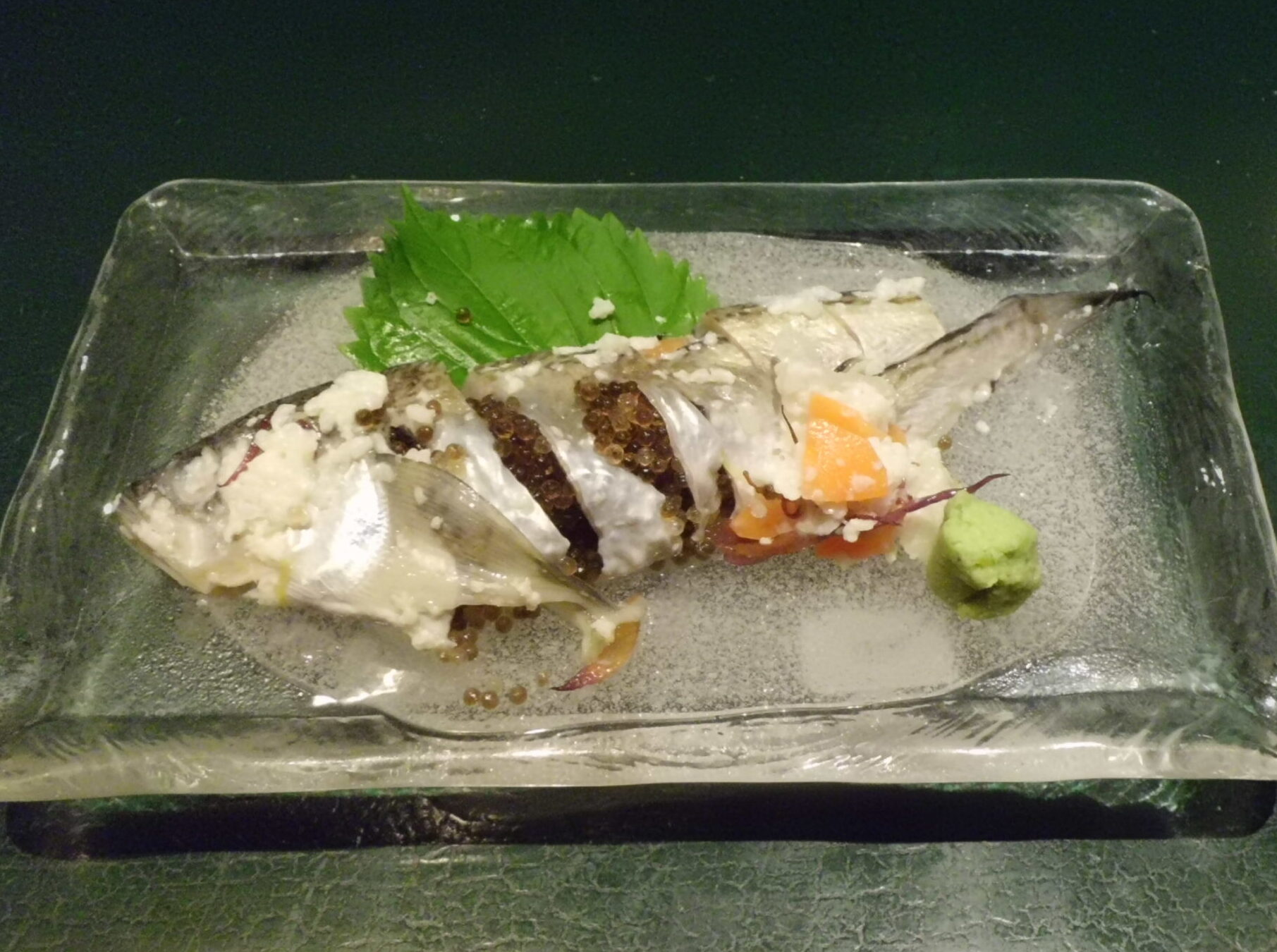
In Hokkaido and Tohoku, sushi made with fresh fish from the northern seas and the rich bounty of the mountains is a point of pride. Some feature rare ingredients you'll want to try at least once, so when traveling be sure to check the seasonal gourmet information.
Hokkaido: Shishamo Sushi
Nigiri sushi made with genuine shishamo (a rare smelt found only in Hokkaido), whose fishing season lasts only about a month and a half. The shishamo usually sold at markets is said to be an entirely different species. During the October-to-November fishing season, long lines form as people seek out the authentic flavor. It is local sushi unique to Hokkaido.
Aomori: Sushiko
A sushi handed down in the Tsugaru region, often described as "pickled rice." Steamed glutinous rice is mixed with lightly pickled red shiso, cucumber, cabbage, and the like, then fermented with lactic acid. Dyed a vivid reddish purple and sweet-and-sour, it is easy to eat even in summer when appetites fade, and was prized as a preserved food in this area of many rice farmers. It remains a distinctive local dish still loved by locals today.
Iwate: Maesawa Beef Nigiri Sushi
A specialty sushi using the meltingly tender raw meat of Maesawa beef, one of the three great wagyu and known as the "toro of the land." It is a new form of local sushi, only patented about a decade ago.
Akita: Hatahata Sushi
Hatahata (sailfin sandfish) sushi is a type of narezushi made since an even older era than nigiri sushi. This traditional food, made by fermenting the local specialty hatahata pickled together with rice, koji, and vegetables, is also popular as a drinking snack.
Fukushima: Herring Sushi
A delicacy of Tsuruga in which migaki-nishin (dried split herring) landed at Tsuruga Port is pickled with daikon radish in koji as a preserved food. Because the area lies deep in the mountains, dried herring is used. Begun in the Edo period, it is still loved today as a feast for New Year's and festivals.
Local Sushi of Kanto and Koshinetsu
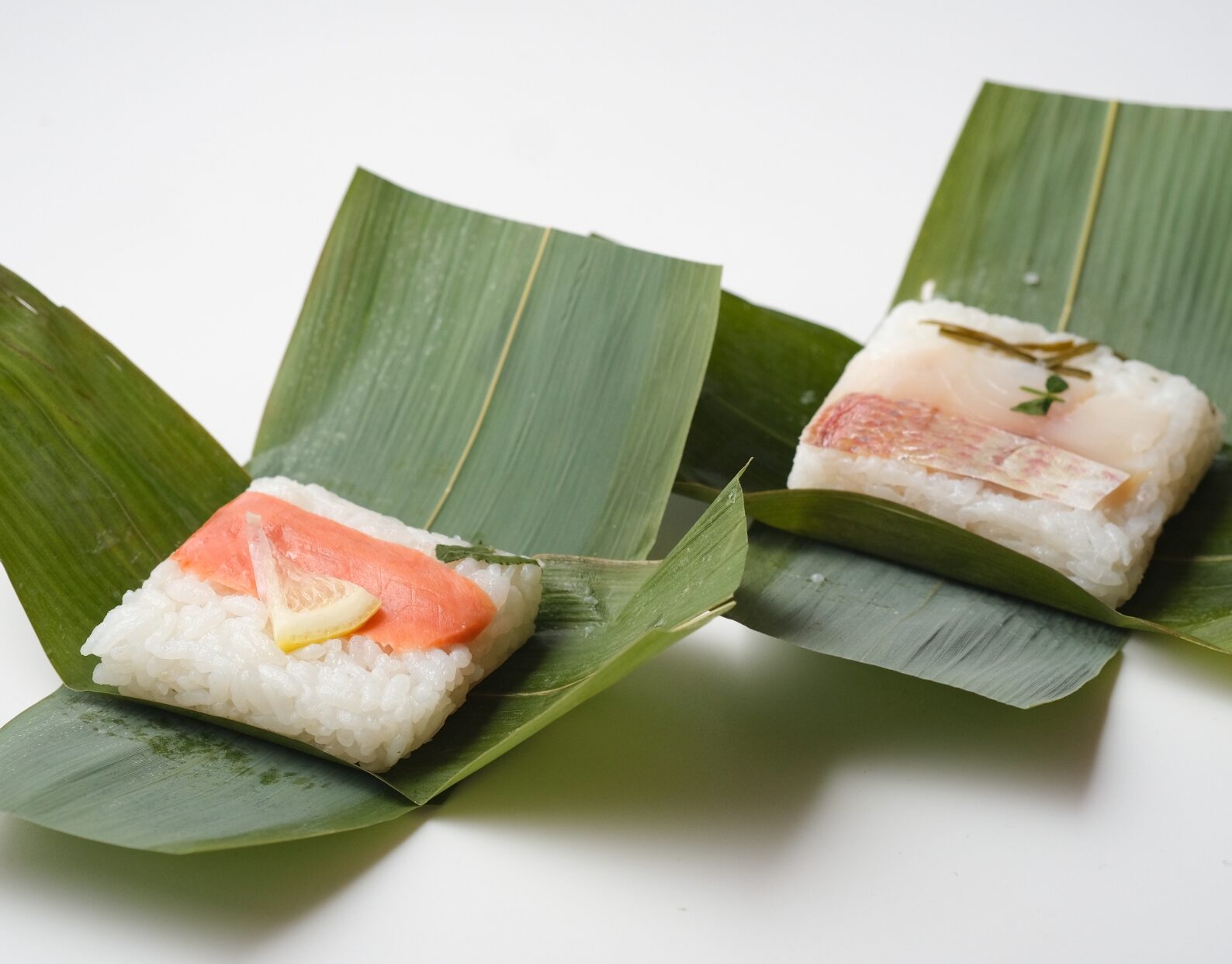
In Kanto and Koshinetsu, distinctive local sushi is enjoyed in both coastal and inland areas. Apart from Edomae sushi, a characteristic of Kanto and Koshinetsu is the presence of sushi made with the bounty of the mountains.
Ibaraki: Eel Chirashi Sushi
A local dish made with eel caught in Kitaura and Lake Kasumigaura in southern Ibaraki Prefecture. It is an unusual chirashi sushi that includes imogara (dried taro stems), long made as a preserved food.
Gunma: Rainbow Trout Sushi
Sushi made with rainbow trout flesh in contrasting red and white colors.
Saitama: Kirazu Sushi
A healthy sushi that uses okara (soy pulp, called kirazu) instead of vinegared rice.
Besides kirazu sushi, Saitama Prefecture also has an unusual long, thin sushi called "Menuma no Inarizushi," made in Kumagaya.
Nagano: Sasa Sushi
Sushi wrapped in, or placed on top of, sasa (bamboo grass) leaves, which have an antibacterial effect.
Said to date from the Warring States period, it was supposedly eaten even by figures who appear in history.
Niigata: Salmon Izushi
A type of narezushi made as festive New Year's fare and as a winter preserved food. Salmon is layered alternately with vegetables, then pickled and fermented in rice and koji.
Tochigi: Tawara Sushi
A specialty sushi shaped like a tawara (straw rice bale) made from inari sushi. Satisfyingly filling, it is popular with locals.
Tokyo: Edomae Sushi
Now known to everyone as the quintessential sushi. "Edomae" refers to Tokyo Bay. Traditional narezushi requires a long fermentation period, but nigiri sushi—pairing freshly caught seafood with vinegared rice—was the fast food of the Edo period. In the Edo era it was a casual meal eaten out by ordinary people.
Local Sushi of Tokai and Hokuriku
Toyama Prefecture: Masuzushi (Trout Sushi)
A leading example of pressed sushi, seasoned with vinegar rather than fermented. Sasa leaves are laid in a round container, and beautifully colored cherry salmon (sakuramasu) is spread over the vinegared rice. Sold as ekiben (station box lunches) in the Meiji era, it became famous.
Gifu Prefecture: Hoba Sushi
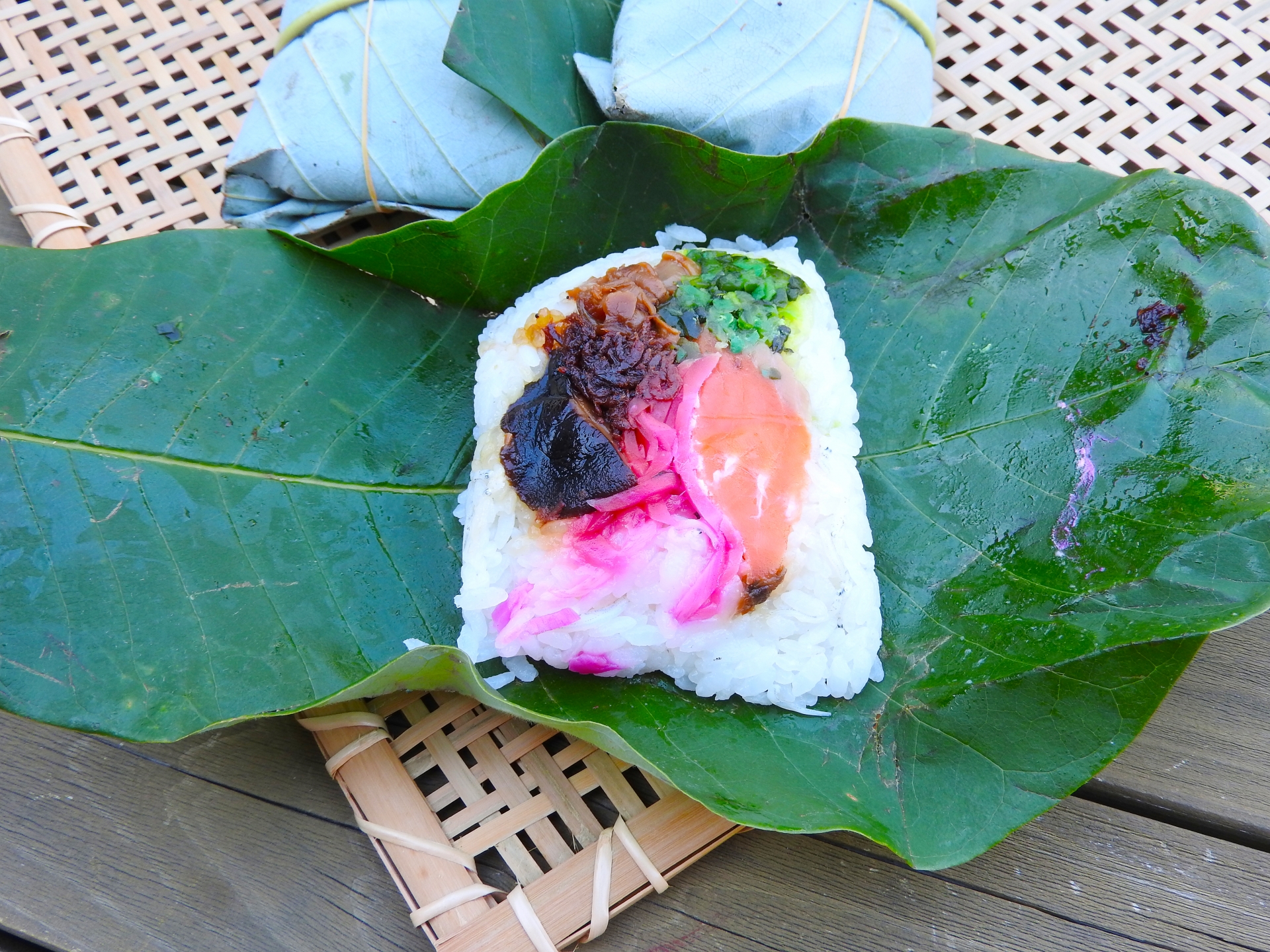
Chirashi sushi of mountain vegetables and fish wrapped in hoba (Japanese bigleaf magnolia leaves). The vinegared rice and the antibacterial effect of the magnolia leaves are said to keep it fresh longer. It originated as a boxed meal that farm and forestry workers could eat without dirtying their hands. River fish, vinegar-cured mackerel, tsukudani, and pickled red ginger are used as ingredients.
Fukui Prefecture: Koppa Sushi
Also called leaf sushi. It is sushi in which fish seasoned with vinegar and vinegared rice are wrapped in the leaves of a tree called aburagiri (tung tree). Koppa sushi takes on a distinctive aroma from the leaves.
Ishikawa Prefecture: Kabura Sushi
A narezushi made as a winter preserved food, in which fatty yellowtail and kabu (turnip) are pickled together with koji. "Kabura" means turnip, and the dish is famous as a local specialty of Kaga centered on Kanazawa.
Local Sushi of Kinki
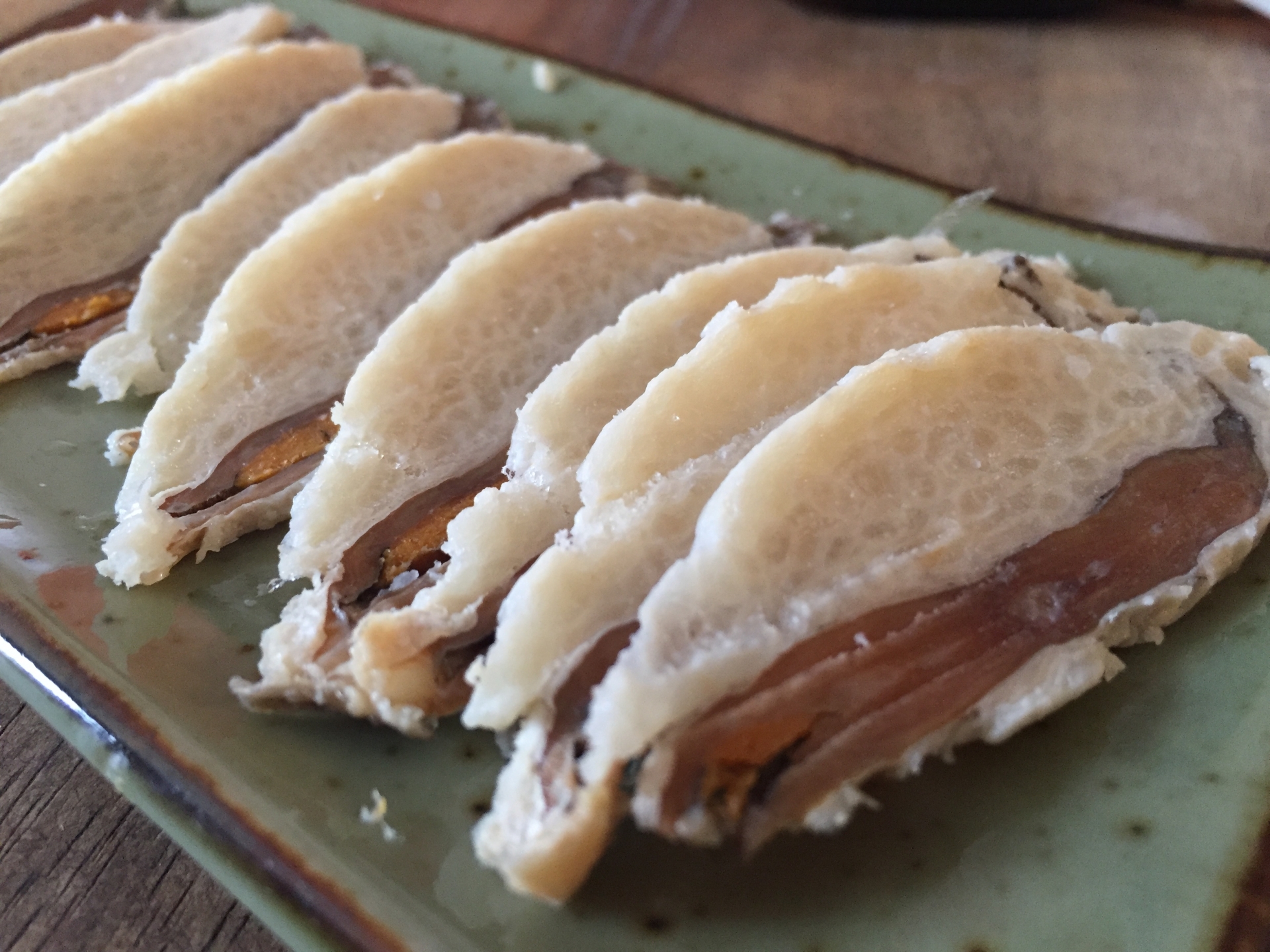
The Kinki region, including Kyoto, is notable for the many traditional food cultures that remain. In inland Kyoto, mackerel brought from Hokuriku along the Saba Kaido (Mackerel Road) was an essential sushi ingredient for festivals. In neighboring Shiga Prefecture, funazushi—said to be the very root of Japanese sushi—is also made. Distinctive local sushi varies by prefecture and is still enjoyed today.
Shiga Prefecture: Funazushi
Though it has a distinctive fermented aroma and a somewhat acquired-taste character, funazushi is a precious dish among all of Japan's sushi, retaining the form of narezushi, the origin of Japanese sushi. The rice pickled together with the fish is not eaten—only the fish itself is eaten.
Mie Prefecture: Tekone Sushi
A type of chirashi sushi in which fresh fish marinated in a soy-sauce-based tare is placed over vinegared rice and mixed by hand. Begun as a fisherman's dish, it was once a special food eaten on festive occasions.
Nara Prefecture: Kakinoha Sushi (Persimmon Leaf Sushi)
Made by placing thinly sliced salted mackerel on vinegared rice, wrapping it in persimmon leaves, and pressing it firmly with a weight. Indispensable at festivals and celebrations, it is local sushi with a history of over 200 years, enjoyed mainly in Nara Prefecture.
Kyoto: Saba Sushi (Mackerel Sushi)
Sushi made with mackerel brought over land from Hokuriku along the route known as the Saba Kaido. This dish, born of the trade history between inland Kyoto and the Hokuriku coast facing the Sea of Japan, is a feature of summer in Kyoto.
Wakayama: Mehari Sushi
An unusual local sushi that uses neither vinegared rice nor fermentation. A portable food in which a rice ball is wrapped in pickled takana (mustard greens), it was said to be a boxed meal for woodcutters and mountain workers. It is called Japan's original fast food. Originally larger than a man's clenched fist, the name comes from how people would open their mouths wide and open their eyes wide (mehari) to eat it.
Local Sushi of Chugoku and Shikoku
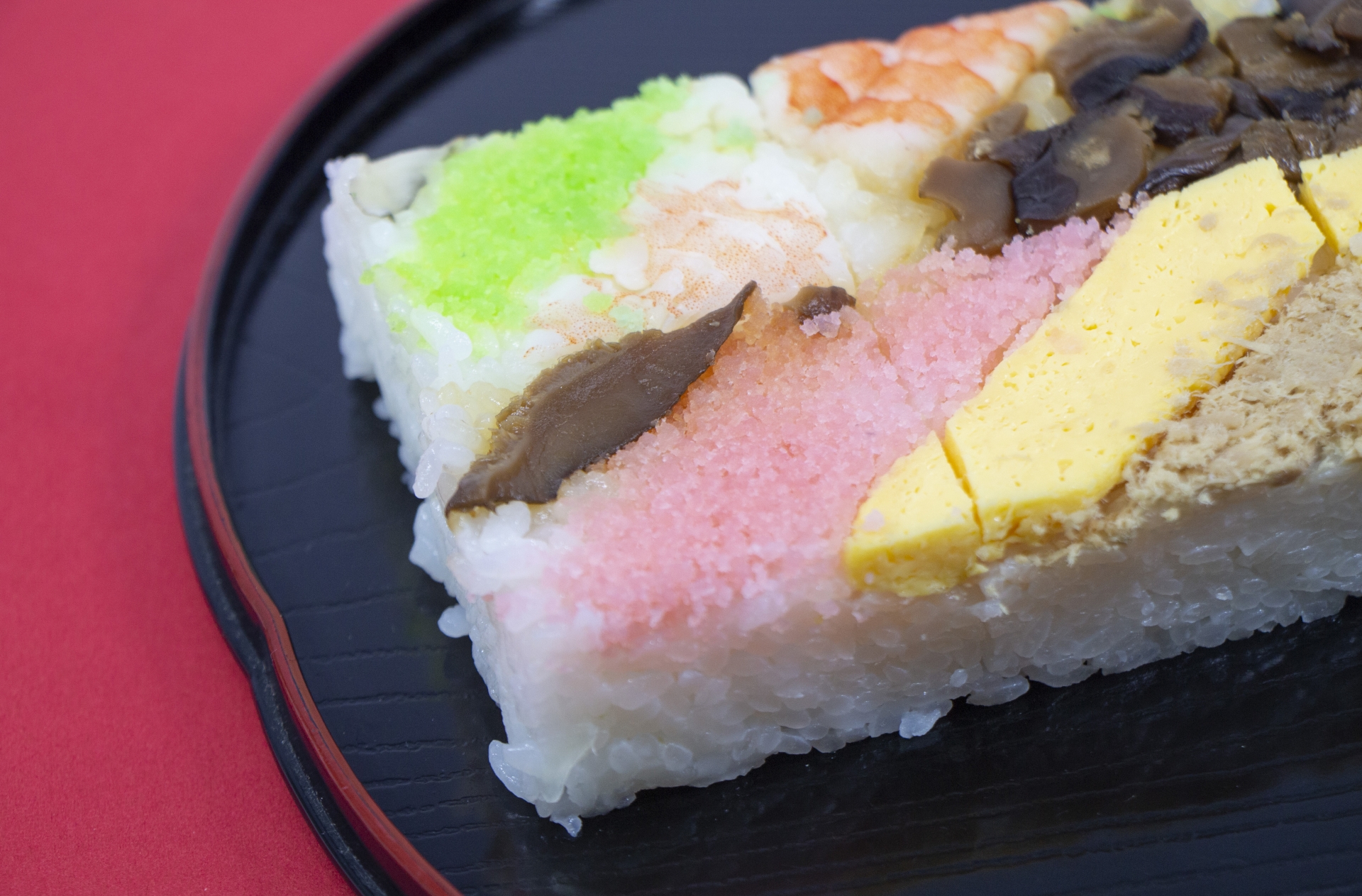
In the Chugoku and Shikoku regions, far removed from Edo, the tradition of sushi as a preserved food and as fare for celebrations remains deeply rooted. While pressed sushi—packing vinegared rice and ingredients into wooden frames or molds—survives in many places, there is also gorgeous local sushi reflecting a rich food culture blessed by mountains and sea, with lavish ingredients or whole fish used dramatically.
Okayama Prefecture: Barazushi
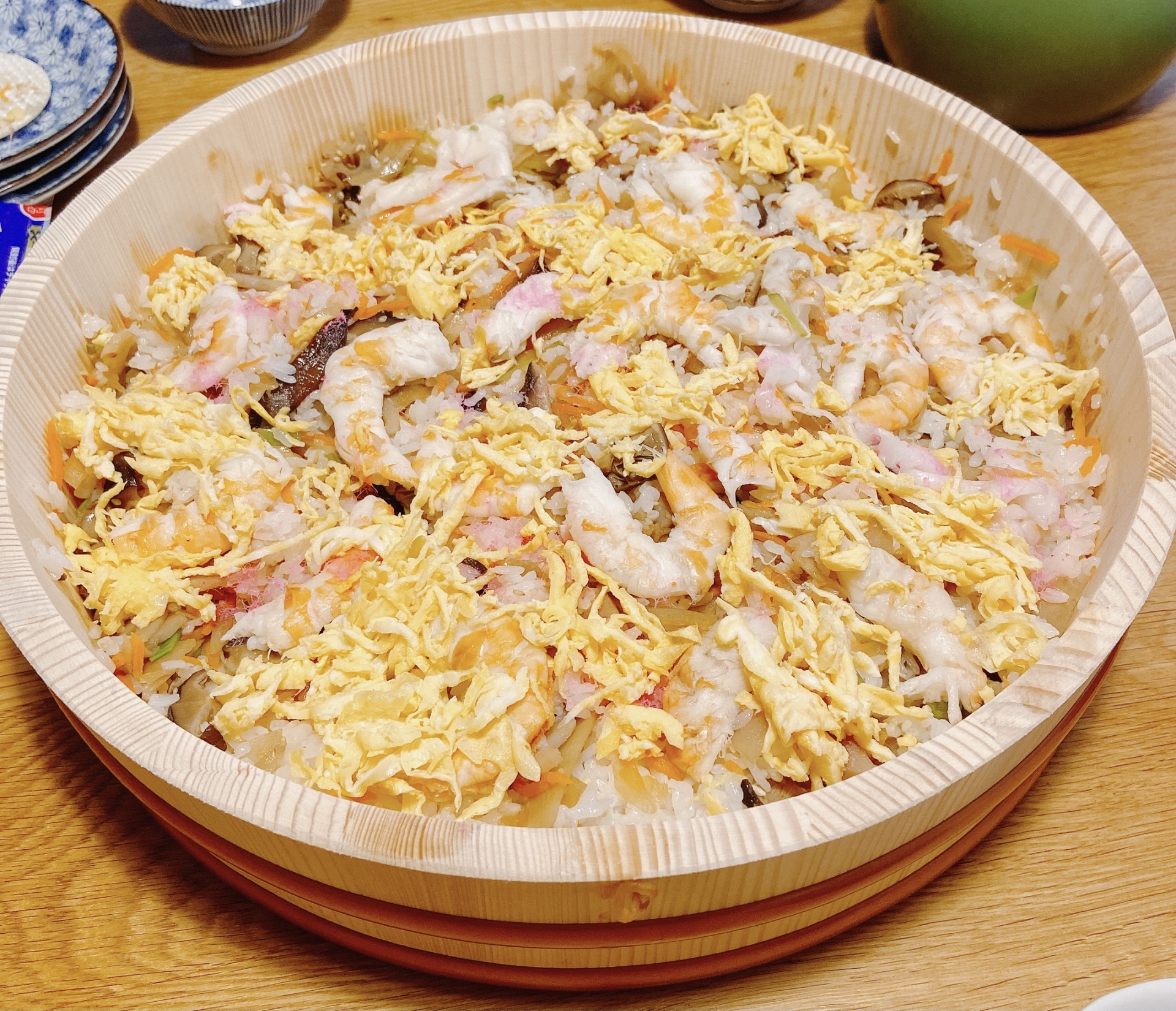
A one-plate dish with ingredients mixed into vinegared rice. It came to be served as a single dish to cleverly evade a feudal lord's strict frugality edict limiting meals to one soup and one side. This lavish sushi, packed with Okayama's rich ingredients from mountain and sea, can be called the fruit of the common people's rebellious spirit and wisdom.
Shimane Prefecture: Hako Sushi (Box Sushi)
A type of pressed sushi handed down in the Iwami region using a square wooden frame. Vegetables (shiitake, kanpyo, carrot) and fried items are layered between the vinegared rice, with thin boards inserted between layers; many layers are stacked, pressed from above, and cut into pieces, then finished with kinshi tamago (shredded egg) and green leaves for color.
Yamaguchi Prefecture: Iwakuni Sushi
A type of pressed sushi also called "Tonosama Sushi" (Lord's Sushi), notable for its gorgeous appearance and square shape. It is a large box sushi made using a wooden frame big enough to make ten servings at once, pressed by a person standing on top of the lid.
Kagawa Prefecture: Kankan Sushi
A pressed sushi made using a wooden frame. Abundant ingredients and vinegared rice are packed into the frame, which is then tightened. The name is said to come from the "kaan, kaan" sound made when driving it in with a wooden mallet. In the past it was prized as a preserved food and served as a feast on special days.
Tokushima Prefecture: Boze no Sugata-zushi
Local sushi made with a whole fish and the local specialty sudachi for a refreshing finish. "Boze" refers to the Pacific rudderfish (ibodai). It is an essential sushi for autumn festivals: the vinegar-marinated boze is placed on sushi rice flavored with yuzu vinegar and shaped.
Local Sushi of Kyushu and Okinawa
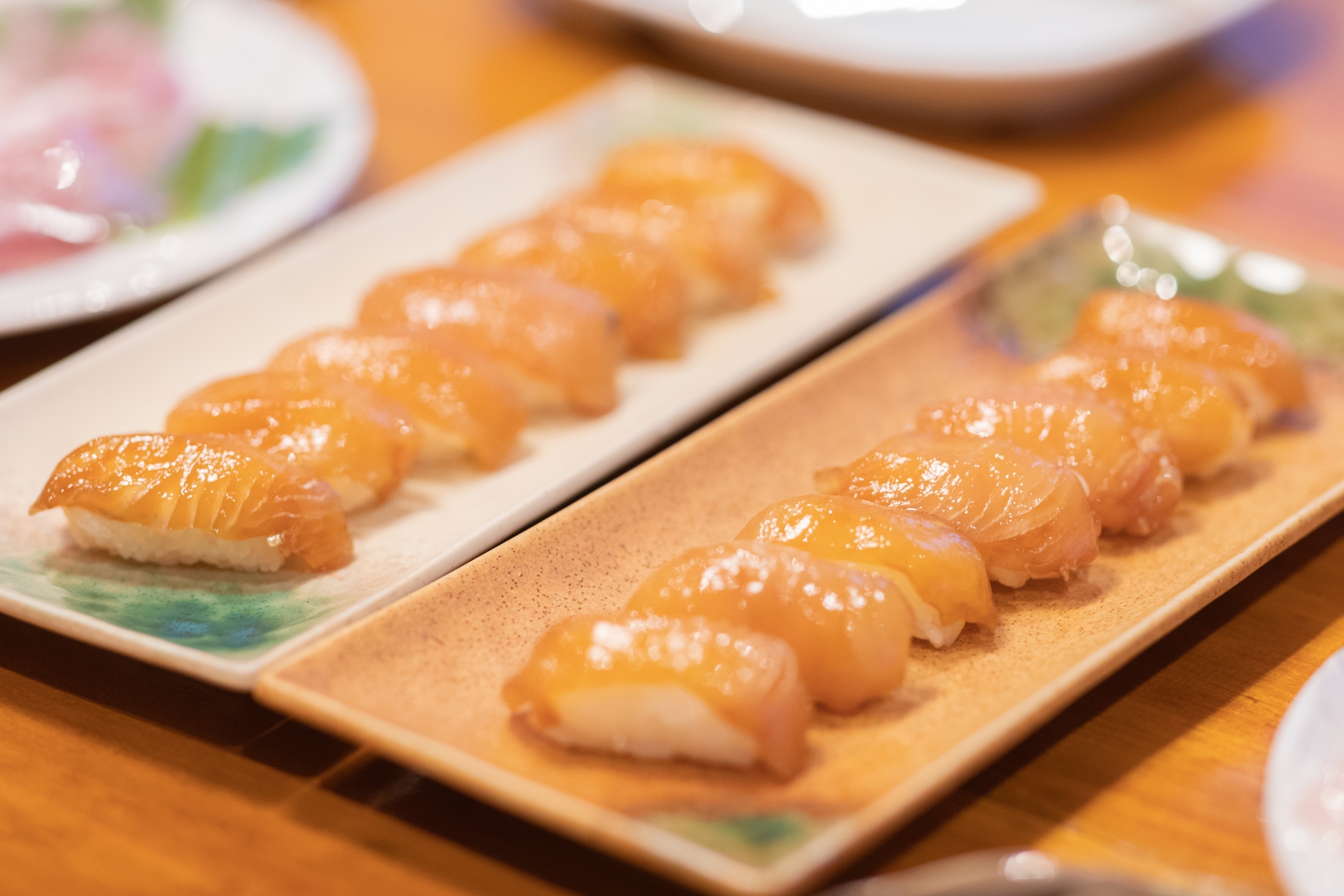
Kyushu and Okinawa, far from Edo, are characterized by the influence of southern and continental cultures. There is great variety, including sushi made with sake instead of vinegar. Owing partly to the warm climate, the seasoning tends to be sweeter than in Kansai or Kanto.
Kumamoto Prefecture: Nankan-age Maki Sushi
A rolled sushi wrapped in a deep-fried tofu called nankan-age, made in northern Kumamoto Prefecture. It contains shiitake, kanpyo, spinach, thick-rolled omelet, and more. It is notable for its beautiful appearance and distinctive flavor.
Oita Prefecture: Chadai Sushi
A traditional hospitality dish with toppings both above and below the rice. The lower topping resembles a chataku (tea-cup saucer), giving the dish its name. In the Edo period, in the spirit of thrift and frugality, it was made using familiar ingredients such as vegetables. It is local sushi unique to Oita, beautiful with the colors of vegetables.
Kagoshima Prefecture: Sake Sushi
A very luxurious and elaborate sushi made using a sweet, distinctively flavored sake called "akumochizake" in place of vinegar. It is made by layering rice and ingredients alternately in a special tub while sprinkling on the sake. Those who dislike alcohol may hesitate, but it is a dish well worth tasting if you stop by Kagoshima.
Okinawa Prefecture: Daito Sushi
A sushi seen on islands such as the Daito Islands, which have many settler immigrants from Hachijojima. It is said to be rooted in shima-zushi, the local sushi of Hachijojima. The characteristics of Daito sushi are sushi toppings of tuna, swordfish, Spanish mackerel, and the like marinated in a special tare, and vinegared rice given a slight sweetness with sugar; rather than wasabi, Japanese mustard (karashi) is used as a rule. The appeal lies in the distinctive flavor created by the combination of the sweet-and-sour rice and the special tare.
Japan Is Full of All Kinds of Traditional Sushi!
What did you think? Originally, sushi was a preserved food and at the same time a dish eaten on festive days and celebrations, lavishly using fish, rice, and a variety of ingredients. Seeking out the local sushi near you is a fine idea, and so is setting off on a journey to savor local sushi rich in regional character.