Sushi Toppings Foreigners Love — Rankings (Western Countries Edition)
Top 5 Sushi Toppings Westerners Love
No. 5: Scallop
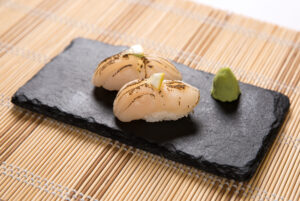
When trying out an unfamiliar dish, many people start from familiar ingredients. The thick, satisfying scallop is also a familiar ingredient in the West. Scallops are often used in recipes such as sauté and meunière, and especially in Europe they have long been prized as a symbol of fertility.
There was even a conflict in the past called the "Scallop War," so scallops are an ingredient frequently used in France as well. Not only can you enjoy the texture around the adductor muscle and other parts, but with little odor or fishiness and a light flavor, they also seem popular as a sushi topping.
Some people just cannot handle raw ingredients, but since scallops have many cooked recipes to begin with, they can also be enjoyed seared. Depending on the shop, many are topped with seasonal condiments matched to the season, so many Westerners seem delighted by the beauty of the colors.
No. 4: Shrimp
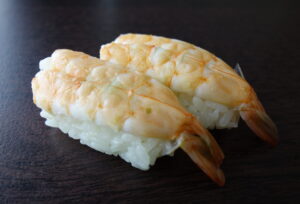
Like scallops, shrimp is also one of the ingredients served at Western dinner tables. Known as luxury ingredients such as langoustine and lobster, shrimp also seems easy for Westerners to try.
Some people avoid it because of its distinctive smell, but shrimp prepared as a sushi topping while fresh is popular for having no fishy smell and a natural sweetness. Not only is there little fishiness, but the fact that the shell has been removed may also be a reason it is easy to eat.
Since there are many cooked shrimp recipes in the West, steamed shrimp sushi is popular. Also, many Westerners come to like raw sweet shrimp as its distinctive sweetness and soft texture spread in the mouth.
No. 3: Rolled Sushi
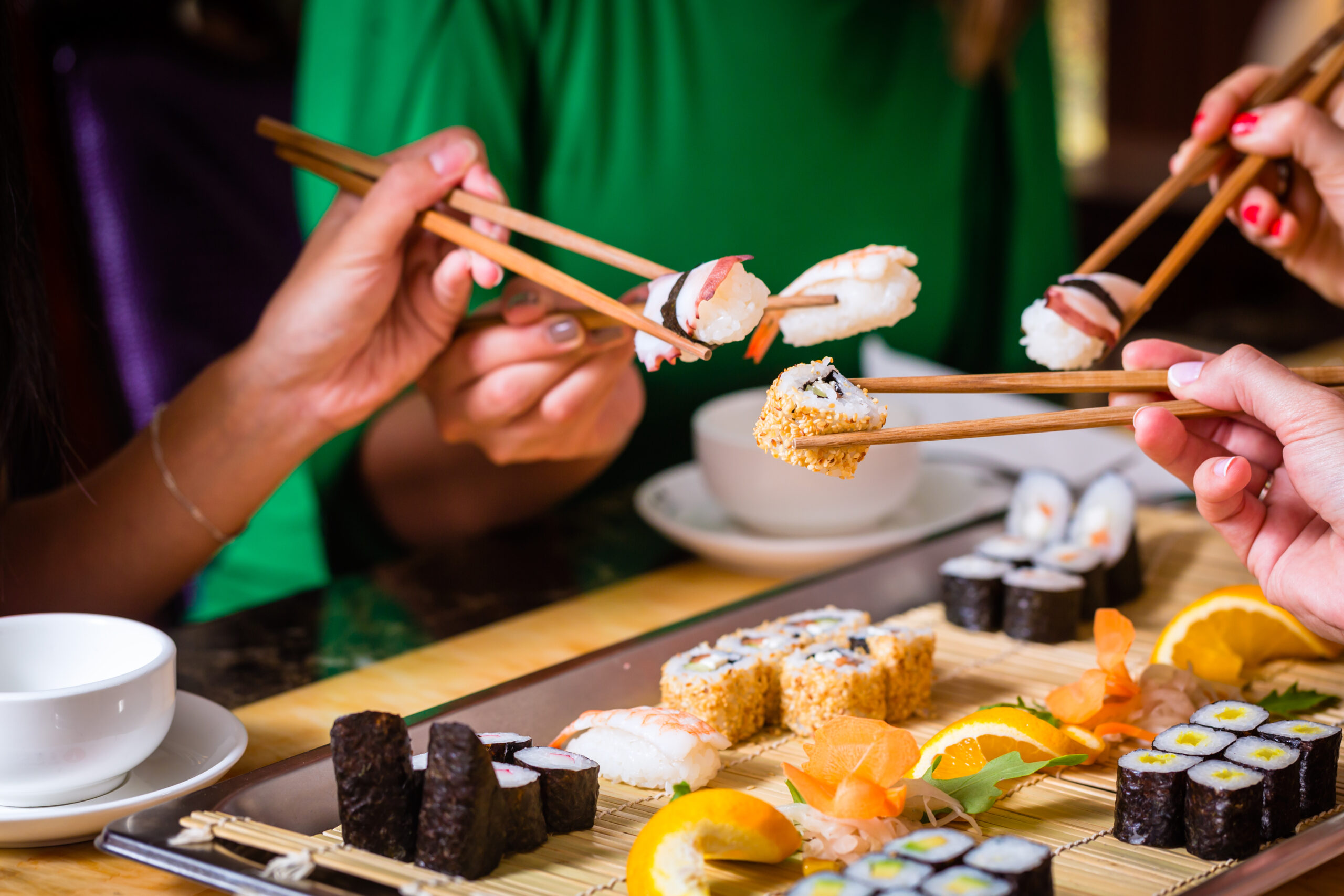
The biggest difference compared to East Asia was rolled sushi ranking high. Whereas in Japan the top of the sushi-topping popularity ranking features toppings like fatty tuna and flounder fin, it is interesting that rolled sushi ranks high.
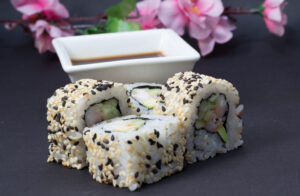
As known from the California roll that has been reverse-imported to Japan, Western rolled sushi itself differs from Japanese rolled sushi in various ways. There are many rolls called "inside-out rolls," where the nori is rolled on the inside. The common theory is that this is a response to Westerners being unfamiliar with nori and avoiding its pitch-black appearance.
In addition, the fillings are not only fish—there are rolls wrapped with only vegetables so that even vegetarians can eat them easily. There are even rolls that are deep-fried and eaten with sauce. The richness of the variations and the inventiveness of how they are eaten are astonishing.
There are so many Westerners who love rolled sushi that they have their own styles, and they seem to have a strong interest in Japanese-style rolled sushi from the homeland of sushi.
No. 2: Tuna
The classic sushi topping is tuna, and that does not seem to change in the West either. In fact, like Oma tuna, tuna fishing in Japan has an image of being near Japan, but much tuna is also caught around the West, making it a familiar ingredient to Westerners.
Local recipes often involve cooked preparations such as sauté and fry, but recipes such as poke—known as a Hawaiian local dish (finely cut raw tuna fillet tossed with sauce)—and tartare (raw tuna mixed with various ingredients) are also popular.
In America, lean tuna is especially favored, and its healthiness seems to be the secret of its popularity. Many Westerners are freshly struck by the umami and richness of fatty tuna in Japanese sushi toppings, and there are often voices online from Westerners who have become hooked on the deliciousness of fatty tuna and marinated tuna (zuke).

No. 1: Salmon
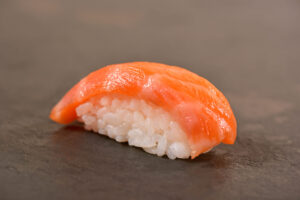
From around the late 1990s, voices supporting salmon increased among women and children, and in Japan too it became the top topping at conveyor-belt sushi used by families. In Asia, salmon sushi is also extremely popular, to the point that you hear people say they cannot eat other raw-fish sushi but can eat salmon. Salmon is popular enough to be called the most loved sushi topping in the entire world, and in the West too it is the No. 1 in popularity.
Besides being easy to eat, the fact that Western countries account for the top share of salmon catch probably also has an influence.
As a way to eat sushi, the simple style with salmon on top of the rice is popular, but in the West there are also many rolls where, like nori, the rice is wrapped in salmon and topped with sauce.
The Toppings That Just Missed the Ranking Are...
The most interesting result among those outside the ranking was yellowtail (hamachi). In America it is eaten the second most after shrimp, but in France and Italy few people eat it, so it does not gain many popularity votes. Sea bream and cod are caught in large quantities and seem to be eaten as sushi, but yellowtail, which is not usually handled much, fell outside the ranking.
Also, octopus, with its grotesque appearance, is a sushi topping easily shunned by Westerners as a "creature of the devil." In Mediterranean countries, octopus is eaten a lot in dishes such as ajillo and carpaccio, but many Westerners say octopus alone is the one thing they cannot handle. As a result, the popularity of octopus as a sushi topping tends to be low compared to other regions.
In addition, sea urchin and salmon roe, which are highly popular in Japan, also draw many voices online expressing reluctance to eat the small grains extracted from seafood. The way ingredients are perceived changes greatly depending on a country's culture and history.
Summary
This time we introduced, in ranking form, the sushi toppings Westerners love.
Classic sushi toppings such as salmon and tuna were popular in the West too. What was surprising from a Japanese perspective was rolled sushi ranking in. For Westerners not accustomed to raw fish, rolled sushi is an easy-to-eat method that combines their favorite ingredients with Japanese style.
If you have a chance to go to the West, we also recommend trying the local rolled sushi to see how it differs from Japanese sushi. You may be able to enjoy a different sushi world that you cannot experience at home.