The Finest Sushi Restaurants — 5 Michelin-Listed Sushi Spots
What is Michelin?
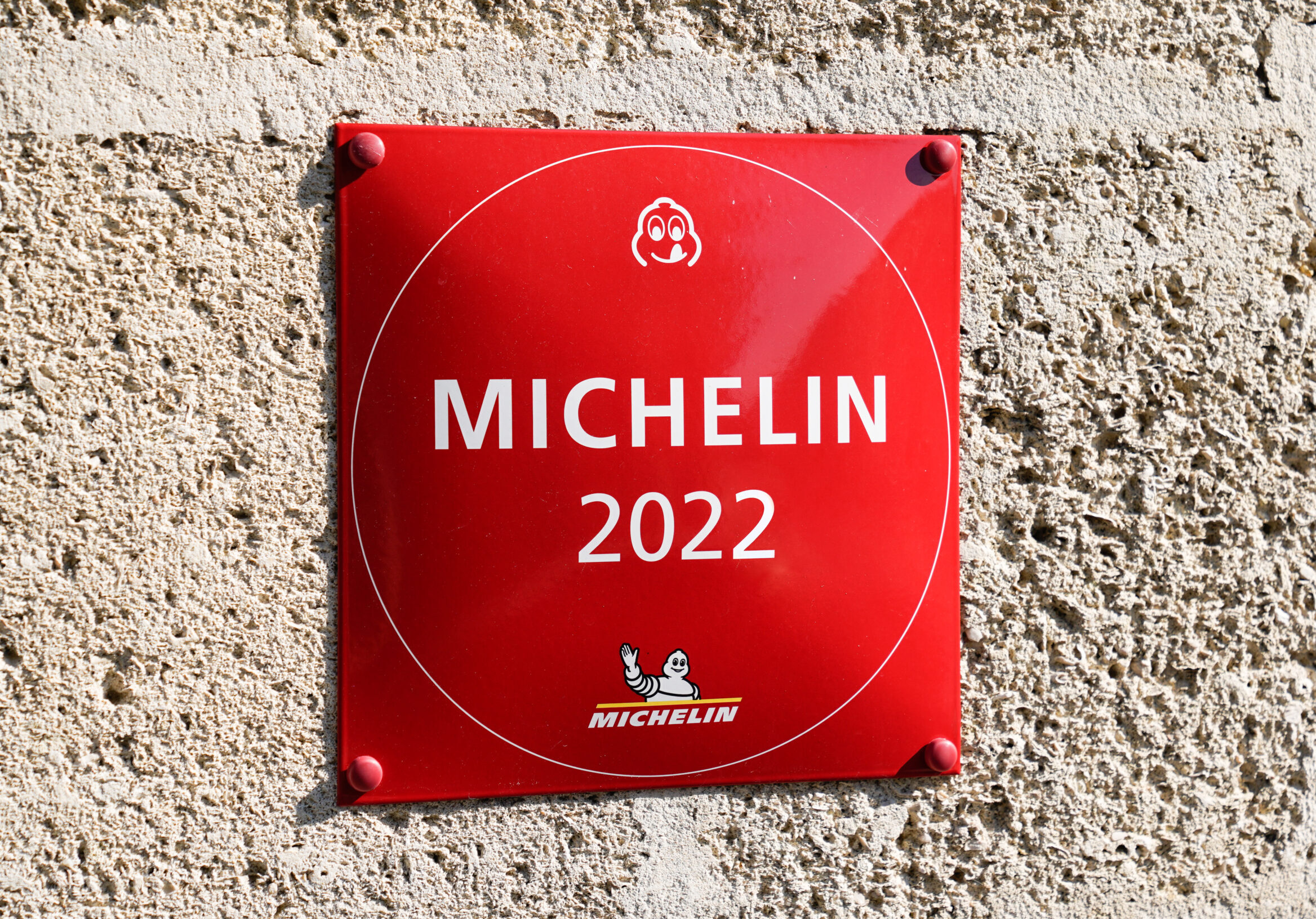
Many people have probably heard the phrase "three-star restaurant." The one that expresses a restaurant's appeal with a number of stars, awarding a maximum of "three stars," is the "Michelin Guide" published by France's Michelin company.
Michelin is one of the world's leading tire manufacturers. Some people may wonder, "What does a tire have to do with a restaurant?"
The Michelin Guide was published in 1900 for automobile travelers. Originally a free guidebook showing the locations of post offices and gas stations, it is said to have aimed at increasing sales of the tires Michelin manufactures by encouraging travel by automobile.
In the 1920s, an attempt began to evaluate hotels serving cuisine by Michelin's own criteria. Now it has become a guidebook carrying a wide range of information, used not only by automobile tourists but also by tourists who don't use cars and by local gourmets.
Being listed has enough influence to raise a restaurant's reputation and standing, and the 2021 edition of the Michelin Guide for Tokyo is its 14th publication. Many renowned restaurants of every culinary genre are listed. This time we'll pick out and introduce renowned sushi restaurants that appeared in the Michelin Guide. A must-read for those who want to savor the finest sushi.
The finest recommended sushi restaurants listed in the Michelin Guide
Sushi Kanesaka Main Store
A renowned Edomae restaurant that, although it once dropped to one star, made a comeback to two stars in 2021 for the first time in 13 years. The nigiri, in which carefully selected toppings, red-vinegar shari, and sharp, bracing wasabi come together in a trinity, has been beloved by many fans since its founding in 2000.
The owner, Shinji Kanesaka, says he goes to the market and sources fish while picturing the face of each reserved customer. The carefully selected seasonal fish is shaped while paying attention to temperature, humidity, and the degree of aging, with the balance when the topping enters the mouth precisely calculated.
His commitment to sushi can also be seen in the interior and the tableware. The first thing that catches your eye upon entering is the beautiful, clean white-wood counter. You can savor sushi in a pleasant space. The tableware ranges from works by the gourmet and ceramicist Kitaoji Rosanjin to fine pieces dating from the Azuchi-Momoyama period, splendidly adorning the nigiri.
In addition to Tokyo, it has stores in Osaka, Kobe, and Singapore, and the online store on the official website sells seasonal bento and seafood. The main store's prices are listed as "market price," but lunch seems to run in the range of 10,000-plus yen and dinner 30,000-plus yen.
Ginza/Marunouchi Edomae Sushi - Sushi Kanesaka Official Site
Sushi Sukiyabashi Jiro
A world-renowned restaurant representative of Japan. It became famous in April 2014 when then-U.S. President Obama visited Japan and it served as the venue for a dinner with then-Prime Minister Shinzo Abe.
Founder Jiro Ono is even called a "living legend" in the sushi industry, to the point that a documentary film was made about him.
After the Tokyo edition was published in 2007 as Japan's first Michelin Guide, the restaurant continued to earn a three-star rating, but in the 2020 edition it was excluded from evaluation on the grounds that "general customers can no longer make reservations." However, in the 2021 edition it again earned two stars.
The shari is characterized by its powerful tartness. The way the distinctive shari is combined with toppings whose exposure to air during preparation is minimized to the extreme is praised as exquisite. The 20-piece nigiri of the omakase course is composed of a wide range from white fish to red fish and shellfish, and in particular many voices praise the beauty of the kohada. The Edomae flavor cultivated from tradition unswayed by trends continues to captivate many fans.
The interior has a 10-seat counter. It is omakase course only, with a budget of around 40,000-plus yen.
Ginza Sukiyabashi Jiro Main Store Sushi - Official Site/
Higashi-Azabu Amamoto
Amamoto, famous as a hard-to-book restaurant, ranks third. The owner, Masamichi Amamoto, was active as the top apprentice of the renowned Gaienmae restaurant "Umi" before becoming independent. Just half a year after opening, he was awarded two stars in the Michelin Guide. Many people come to dine alone, charmed by the politeness of Amamoto's hospitality.
In the omakase course, you can savor thick, plump, fresh toppings. Among them, the one to especially note is the "uni." The heaping mound of uni that appears before you is, the moment it is lightly seared and placed in your mouth, characterized by a fragrant aroma that wafts up through the nose with a soft, fluffy flavor.
The "tsumami" (small dishes) incorporating seafood from all over the country are also well received. Among them, the fire-cooked tsumami are highly regarded, and the "bonito straw-grilled (katsuo no warayaki)," in which the straw aroma drifts as it is smoked over the flames and you can enjoy a glossy texture, is a favorite of many fans.
There are 8 seats, and the course starts from 35,000 yen.
Reservations are accepted through a restaurant reservation site, and it is a renowned restaurant among renowned restaurants, always with a long waitlist.
Higashi-Azabu Amamoto Official Site
Harutaka
Harutaka, located in the gourmet town of Ginza, allows no compromise whatsoever and serves sushi that shines with season-conscious ingredient selection and meticulous craftsmanship.
The firmly cooked shari has just the right balance of rice vinegar and salt, with a texture that melts in the mouth. The toppings are packed with the dedication of owner Takashi Takahashi, and the finest sushi shaped with high-quality ingredients sourced from trusted Toyosu purveyors makes those who visit groan with delight. The "chutoro"—for which he changes the place of origin by season to source the best toppings—has supple flesh and rich fat, and its combination with the vinegared rice is exquisite.
Owner Takahashi is an orthodox Edomae sushi chef who became independent in 2006 at the young age of 33. Originally from Asahikawa, Hokkaido, he began his career at "Sushizen" in Sapporo because "sushi chefs looked cool," and also trained at places such as "Sukiyabashi Jiro."
The clean interior, with a dignified atmosphere, has wide spacing between seats so you can dine in a relaxed manner. You can order a la carte, but most visitors seem to go with the omakase course. The budget for the omakase course is around 40,000 yen.
Sushi Yoshitake
Ten years since its first appearance in the 2012 Michelin Guide. It is a renowned restaurant that Michelin has continued to rate "three stars (exceptional cuisine worth a special journey)." In the 2021 edition, it was the only sushi restaurant awarded three stars.
Despite its tremendous acclaim, Yoshitake quietly maintains its premises inside a multi-tenant building on a back street in Ginza 8-chome. When you step inside, the spotless interior and an impeccably maintained workspace appear, making the hearts of visitors race with anticipation.
Ingredients are carefully selected by place of origin, and a great deal of time is spent on preparation. For the rice, the first rinsing and the cooking use the alkaline soft water of Kagoshima's hot springs, cooked in a kettle (hagama) while adjusting the heat. The nigiri's appeal lies in expressing a subtle balance of flavor within a single piece, such as sandwiching shrimp miso between the prawn and the sushi rice. When owner Masahiro Yoshitake aspired to become a chef, his father taught him to "value things that cherish Japanese culture." While respecting the Edomae tradition, he says his creed is to research daily and discover new methods to further elevate the flavor.
After graduating from high school, Yoshitake trained at sushi restaurants in Ginza and New York. In 2004, he opened "Sushi Yoshitake" in Roppongi. In 2009 he relocated to Ginza and renamed it "Sushi Yoshitake." He later opened a location in Hong Kong as well, where he has also earned three stars.
Open only in the evenings, reservations sometimes require a one-month wait. The omakase course is in the 30,000-plus yen range, recommended for when you want to enjoy a special dinner with someone important.
Summary
This time we picked out sushi restaurants listed in the Michelin Guide.
The three-star and two-star restaurants were all wonderful, renowned establishments. The guide also lists many one-star sushi restaurants not introduced here.
Sushi, made with just a combination of shari and topping, might be said to be one of the world's simplest dishes.
Yet precisely because it is simple, sushi chefs surely imbue every detail of their nigiri with their own philosophy, spirit, and technique.
Of course, the sushi restaurants listed here are not the only finest sushi restaurants. Referring to the number of stars and various information in the guidebook while you search for a wonderful sushi restaurant that suits your taste might be a nice idea, too.