Best Prefectures for Sushi — Shizuoka, the Sushi Paradise
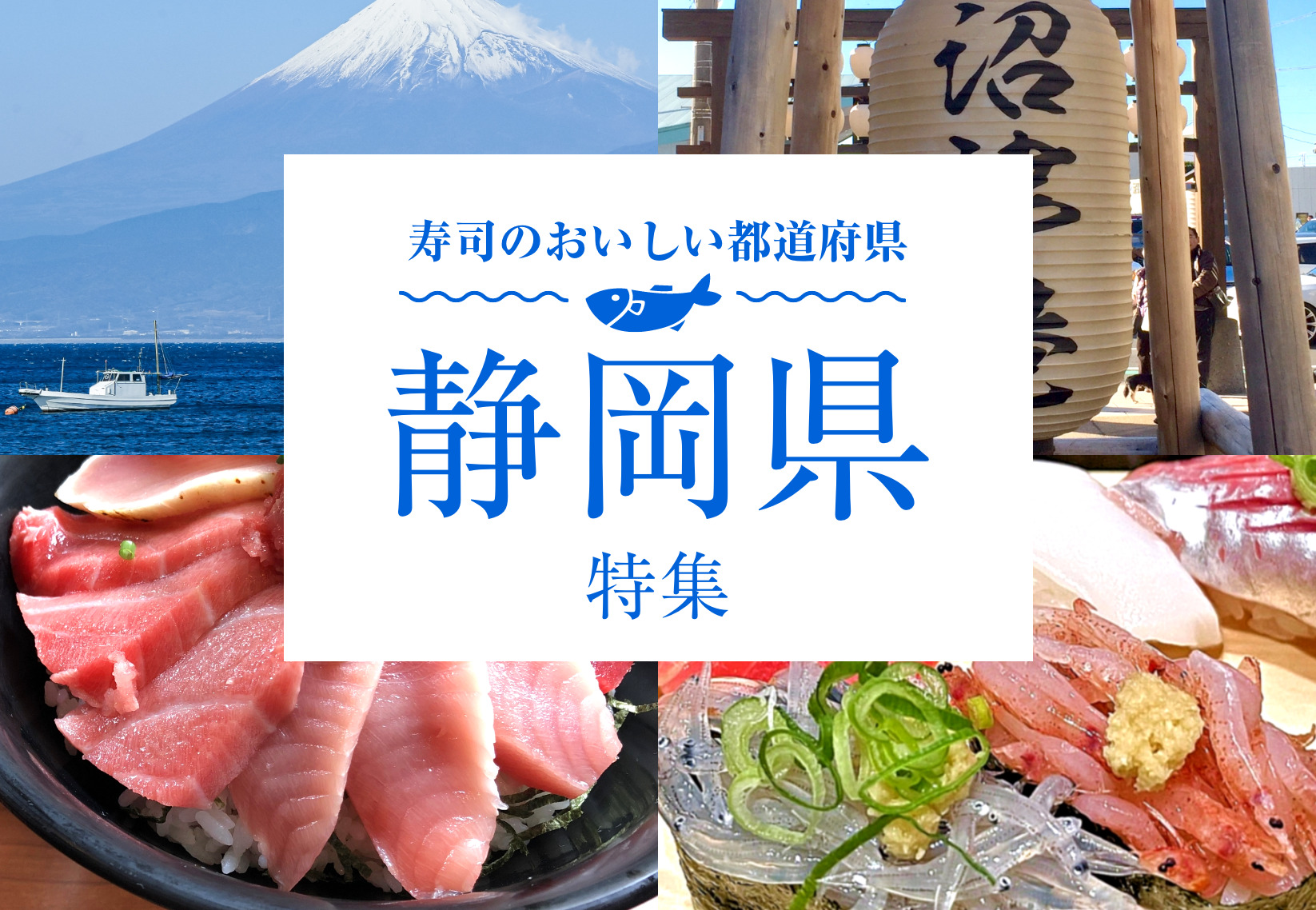
Among the prefectures known for delicious sushi, "Shizuoka Prefecture" stands out as a particularly brilliant presence.
Blessed with Suruga Bay, which can be called the finest environment for fishing, Shizuoka enjoys an abundance of seafood thanks to the unique topography of Japan's deepest bay, and its high quality is highly regarded not only in Japan but around the world.
In addition to tuna, of which Shizuoka boasts the largest catch in Japan, an abundant variety of more than 1,000 kinds of delicious seafood is available, and Shizuoka's signature wasabi and tea further enrich the prefecture's sushi culture.
This time, we explore exactly how Shizuoka's rich natural environment influences the deliciousness of its sushi, and we delve into the secret of why the sushi of Shizuoka - woven from the blessings of its bountiful sea and Mount Fuji, a treasure of the world - is so delicious.
So, all you sushi lovers, let's set off together for the sushi paradise of Shizuoka!
Reasons Why Shizuoka's Sushi and Seafood Are So Delicious
Shizuoka Prefecture is known as a prefecture where sushi is delicious, and there are solid reasons why Shizuoka's sushi is so good.
Here, let's take a look at those specific reasons.
"Suruga Bay," the Finest Environment for Fishing
The biggest reason Shizuoka Prefecture is known as a prefecture of delicious sushi is that it possesses Suruga Bay, a bay that offers the finest environment for fishing.
One of the "Three Great Deep Bays of Japan," Suruga Bay has the largest sea area of the three bays, and at a depth of 2,500m it boasts the deepest waters in Japan - overwhelmingly deeper than the roughly 1,500m of Sagami Bay, ranked second, and the roughly 900m of Toyama Bay, ranked third.
Its value has been recognized worldwide, including being admitted to "The Most Beautiful Bays in the World" club, and along with Mount Fuji it has become one of the places foreign visitors want to see.
Because the deepest-in-Japan Suruga Bay was created by the movement of tectonic plates, the topography of the seabed has an extremely steep gradient, and there are even places that reach a depth of 500m just a short distance from the shore.
Furthermore, there is a submarine canyon nearly 1,000m deep toward the mouth of the bay, giving it a deep sea of grand scale, and this unique environment forms the foundation that nurtures abundant seafood.
In addition, because large rivers such as the Fujikawa and the Oigawa flow into Suruga Bay as if pouring into the deep sea, all kinds of fish and shellfish can be caught in the nearby waters. Moreover, along the coast of the Izu Peninsula, which faces Suruga Bay, there are seaweed beds where much seaweed grows, so shellfish such as sea urchin, abalone, and turban shell can also be caught in abundance - giving the area an extremely blessed natural environment for fishing.
It is also said that about 2 to 3 billion tons of rain and snow fall on Mount Fuji each year, and this abundant water is filtered and flows into the sea. Because such snowmelt water contains rich nutrients, an environment is created in which many fish and shellfish can easily breed and live.
It is said that about 2,300 species of saltwater and freshwater fish inhabit Japan, and amazingly, more than 1,000 of those species - nearly half - inhabit Suruga Bay.
The Kuroshio and Oyashio Currents, the Presence of Deep-Sea Water, and Plenty of Sushi Ingredients with the Nation's Top Catch, Such as Tuna and Bonito!
The Kuroshio and Oyashio currents flow off the coast of Shizuoka, and because the Kuroshio - which carries fish eggs and juvenile fish from the south - flows into Suruga Bay, a wide variety of fish and shellfish from shallow waters, the deep sea, and the southern seas live there.
In the seawater where the Oyashio, the Kuroshio, and deep ocean water mix together, an enormous variety of plankton lives, and the diverse fish that feed on it grow there; Suruga Bay is home to three types of deep-sea water.
All of these deep-sea waters are known to contain abundant nutrients, but Kuroshio-derived deep-sea water in particular is known for its high quality - it is even used in medical products - and forms the foundation of an environment in which much seafood grows.
Also, because Shizuoka is located off the coast where the Kuroshio flows, the tuna and bonito caught riding the Kuroshio's flow are famous, and their catches are the largest in the nation. In addition, its splendid alfonsino (kinmedai) catch is also the largest in the country, while its mackerel and horse mackerel production ranks among the highest nationwide - making it not so much a great nation of sushi ingredients as a great prefecture of sushi ingredients.
A Renowned Producer of the Tea and Wasabi Essential to Sushi - and the Rice Is Delicious Too!
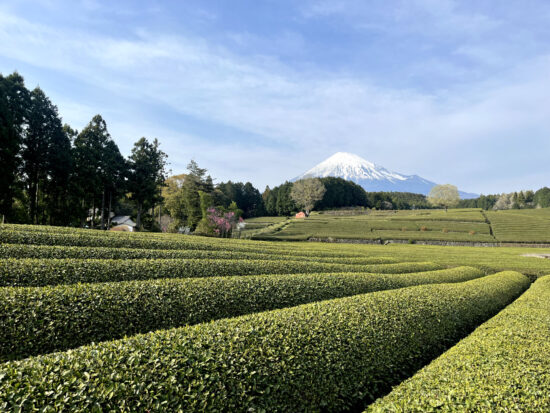
Not only the snowmelt water from Mount Fuji, but also Shizuoka's water sourced from the Southern Alps, is known for its excellent quality.
Shizuoka is famous for boasting the nation's top production of tea and wasabi, and this is made possible precisely by using such pure water.
Water also has a major influence on the rice (shari) that is so important to sushi.
Shizuoka's rice - grown and cooked with delicious water - is also famous for being delicious.
With its supreme fishing bay, its status as a renowned producer of tea and wasabi (those indispensable supporting players of sushi), and its delicious shari that is essential to sushi, Shizuoka Prefecture can truly be called a prefecture with the finest environment for sushi.
Characteristics of Shizuoka's Sushi
Shizuoka has an exceptional environment for fishing, but there are other reasons why people say "sushi = Shizuoka."
"Shizuoka Nigiri," the Supremely Delicious Brand Sushi of Shizuoka
Shizuoka, known as a prefecture of delicious sushi, has a brand sushi called "Shizuoka Nigiri."
"Shizuoka Nigiri" offers carefully selected Shizuoka-grown seafood in an "omakase" (chef's choice) style, and can be enjoyed at shops registered for "Shizuoka Nigiri" by the Shizuoka Prefecture Sushi Association.
The sushi ingredients served as "Shizuoka Nigiri" vary by shop and season, but they use fresh seafood caught in Shizuoka - such as sakura shrimp and whitebait (shirasu), which can only be caught in Shizuoka, as well as tuna, fatty tuna (toro), horse mackerel, shrimp, beltfish, sea urchin, and conger eel.
"Shizuoka Nigiri" is known for using not only delicious fish caught in Shizuoka's waters, such as Suruga Bay, but also tea and wasabi nurtured by natural spring water.
There is no doubt that eating sushi together with the finest tea and wasabi makes for a supreme experience hard to find anywhere else.
Well-Appointed Sushi-Related Facilities, Such as the "Sushi Museum"
In Shizuoka Prefecture, where sushi has even become synonymous with the prefecture itself, there is - as if to express this - the "Sushi Museum," the only sushi museum in Japan.
Inside the "Sushi Museum," the streetscapes of old downtown districts and post towns are recreated, where you can see Edo-period sushi stalls and learn about the history and culture of sushi. In the free zone "Shimizu Sushi Yokocho," you can also eat various types of delicious sushi.
As the prefecture with the deepest sea in Japan, it is also home to the "Numazu Port Deep Sea Aquarium," the only deep-sea-fish aquarium in Japan - and the abundance of such sushi-related facilities, befitting a prefecture of delicious sushi, is another characteristic of Shizuoka Prefecture.
Delicious Seafood Encountered at Shizuoka's Fishing Ports
Shizuoka Prefecture has many ports, including the international hub port of "Shimizu Port," and there are many regions where fishing thrives - such as Mishima City, Fuji City, Shizuoka City, Numazu City, and Yaizu City, which face Suruga Bay.
Here, let us introduce Shizuoka Prefecture's representative ports.
Shimizu Port
Shimizu Port is known as an international port, and numerous fisheries-related facilities line its vast grounds.
At Shimizu Port, large amounts of tuna - which has the nation's largest catch - are landed.
It is also a scenic location near World Heritage sites such as Miho no Matsubara.

Numazu Port
Numazu Port is a port with Mount Fuji spreading to the north and Suruga Bay to the south, and it is a treasure trove of the seafood caught in Suruga Bay.
Its fresh local fish are popular, and because access from the Tokyo metropolitan area is good, it is always bustling with tourists.
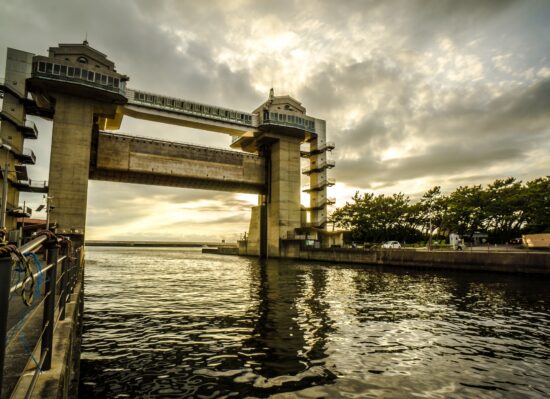
Many delicious seafood restaurants gather here, and it is a port high in entertainment value as well, where you can enjoy watching the auctions and visiting the large observation floodgate "Byuo."
Omaezaki Port
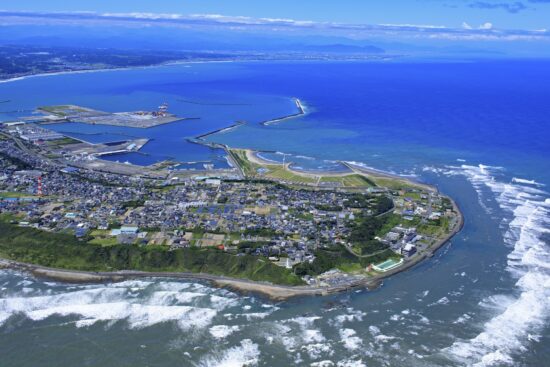
Omaezaki Port is a designated important port connecting the central and western parts of Shizuoka Prefecture.
It is known as a place where a wide variety of fish and shellfish are landed, including sea bream, bonito, squid, alfonsino, and Japanese spiny lobster.
Yaizu Port
Yaizu Port, located roughly in the center of Shizuoka Prefecture, is especially famous for its bonito landings, and it also boasts one of the nation's largest tuna catches.
The nearby Sakana Center is abundantly stocked with fresh seafood and bustles with crowds on holidays.
At these fishing ports, morning markets selling locally caught seafood and specialty products are held regularly, drawing crowds of locals and tourists alike.

Shizuoka's Abundant Sushi Ingredients
Shizuoka, with the exceptional natural environment of Suruga Bay, yields a great deal of seafood; here, let's look at some representative examples.
Tuna and Fatty Tuna (Toro)
In Shizuoka, which has the largest tuna catch in Japan, tuna such as bluefin tuna, southern bluefin tuna, bigeye tuna, yellowfin tuna, and albacore are caught.
Tuna is mainly caught in distant offshore waters and landed at ports such as Shimizu and Yaizu in Shizuoka Prefecture, but it is also sometimes caught by methods such as pole-and-line fishing in nearby waters.

Horse Mackerel (Aji)
In Shizuoka Prefecture, horse mackerel - known as a common, popular fish - is also caught in abundance.
The aquaculture of Japanese horse mackerel in particular thrives, and its production volume is the largest in Japan.
Also, in Yui, located at the innermost part of Suruga Bay, the legendary "Kurasawa Aji" is caught.
Kurasawa Aji is a "resident fish" (nezuki-uo), the same type as the high-end brands Seki Aji and Seki Saba; ordinary horse mackerel migrate, but Kurasawa Aji spend their time on the seabed.
Because they spend their time leisurely on a seabed rich in food, they are known for being large and well-marbled with fat.

Mackerel (Saba)
There are two kinds of mackerel - chub mackerel and blue mackerel - and in Shizuoka, much blue mackerel is landed mainly around Yaizu, Numazu, and Ito.
Many processed products such as salted mackerel are also produced, and Shizuoka Prefecture has one of the nation's largest mackerel catches.
Mackerel is rich in fat and is known for having a high content of EPA and DHA, even among blue-backed fish.

Sakura Shrimp (Sakura Ebi)
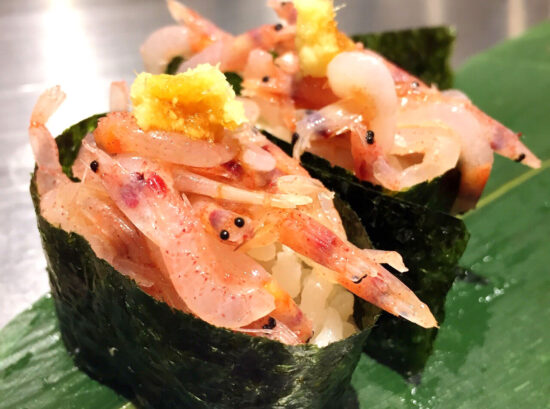
Sakura shrimp is a small shrimp distributed in Suruga Bay, Sagami Bay, Tokyo Bay, and the waters around Taiwan, but in Japan it is fished only in Suruga Bay, making it one of Shizuoka's representative specialty products.
The gunkan (battleship roll) of fresh sakura shrimp - whose sweetness spreads throughout your mouth the more you chew - is a gem you should definitely try when you come to Shizuoka.
Alfonsino (Kinmedai)
Shizuoka Prefecture is a producer of alfonsino with the largest catch in Japan.
Shimoda Port, which lands alfonsino caught especially around the Izu Peninsula and the Izu Islands, is famous.
The Izu kinmedai caught in Izu is divided into three brands - local alfonsino (Jikinme), island alfonsino (Shimakinme), and offshore alfonsino (Okikinme) - with local alfonsino considered the top grade and well-marbled with fat.

In addition to these fish and shellfish, a great many representative sushi-ingredient seafoods are caught here - such as bonito, yellowtail (hamachi), shrimp, red sea bream, oysters, sea urchin, conger eel, whitebait, pufferfish, and beltfish - making Shizuoka truly a prefecture worthy of being called a paradise of seafood.
Shizuoka Is Truly a Sushi Paradise!
What did you think? Shizuoka Prefecture is home to Suruga Bay, an exceptional environment that yields an enormous variety of seafood, and thanks to a rich natural setting nurtured by high-quality water sourced from Mount Fuji and the Southern Alps, not only seafood but even tea and wasabi - both essential to sushi - are local specialties, making it a prefecture truly worthy of being called a "sushi paradise."
Shizuoka's specialty tuna, bonito, yellowtail, mackerel, horse mackerel, and alfonsino are all indispensable sushi ingredients, and on top of these are added sakura shrimp and fresh whitebait, Shizuoka's own specialty sushi ingredients - leaving you in the mood to go to Shizuoka and savor them right this minute.
When you visit Shizuoka, by all means try the luxurious course of learning about sushi at the Sushi Museum and then eating Shizuoka's brand sushi, "Shizuoka Nigiri."
The sushi paradise of Shizuoka is sure to satisfy all you sushi lovers.
References
しずおか地産地消推進協議会
【公式】Shizuokaのおすすめ観光スポット満載!ハローナビしずおか Shizuoka観光情報ホームページ
清水すしミュージアム | S-PULSE DREAM PLAZA エスパルスドリームプラザ
Shizuoka鮨商生活衛生同業組合