What Is Masu Sushi? History, Origins, Differences from Salmon, and Famous Restaurants
What is Masu-zushi (Trout Sushi)?
What kind of sushi is masu-zushi?
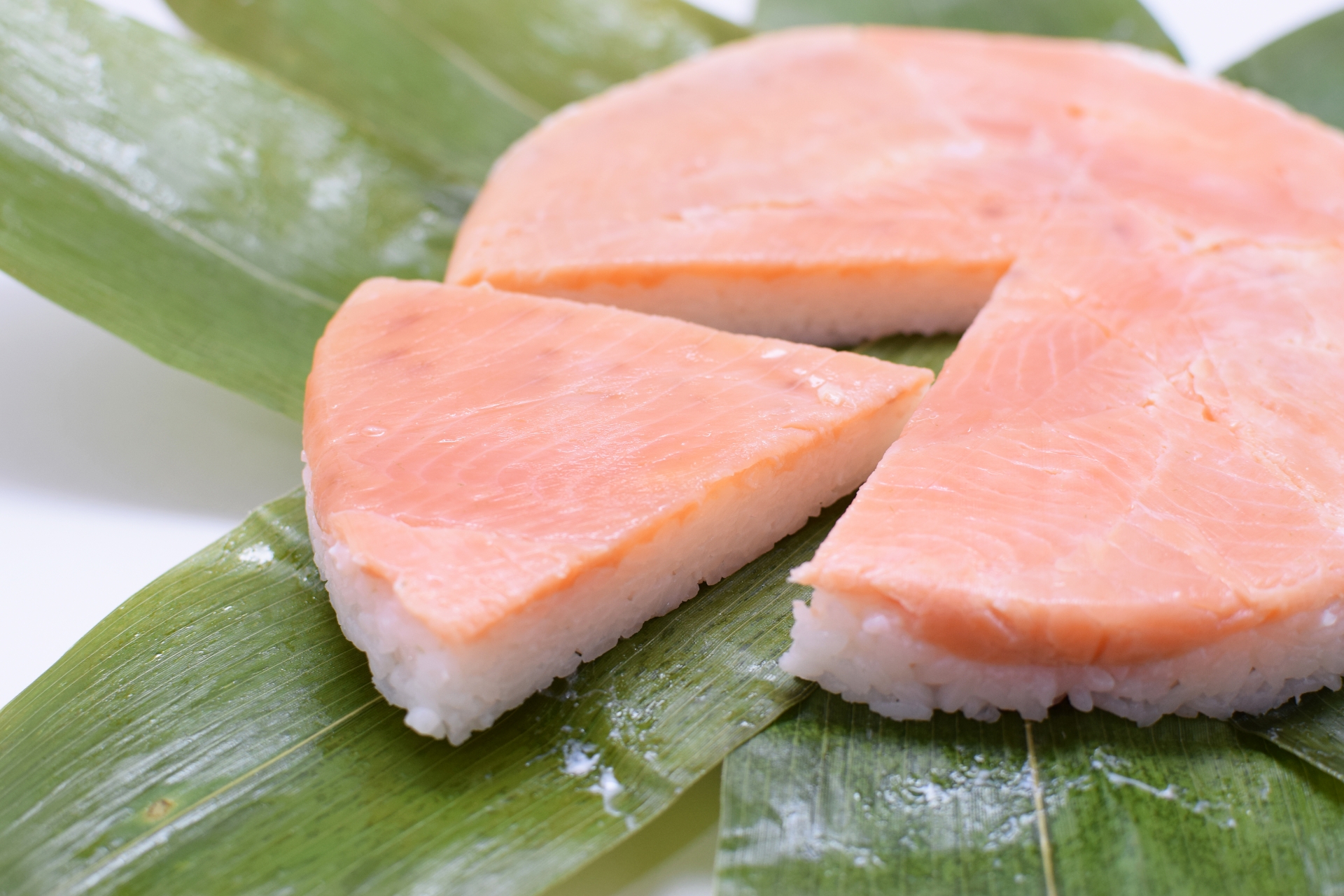
Masu-zushi is a type of pressed sushi (oshi-zushi).
Bamboo leaves are laid in a bentwood box (magewappa), slices of vinegar-cured cherry trout (sakuramasu) are placed on top of vinegared rice, and a weight is applied to finish it. Because the trout is salted and then cured in vinegar, it has an appealing distinctive aroma and flavor. Its beautiful color also makes it a popular item as an ekiben.
Masu-zushi is known as a local specialty of Toyama, and in Toyama Prefecture it is eaten throughout the year.
Rather than making it at home, there is a custom of buying it from a favorite specialty shop and eating it on occasions such as Obon, festivals, and the New Year season.
What nutrients are contained in masu-zushi, which you often see at food fairs and similar events?
Trout is rich in vitamins and minerals such as vitamin A, vitamin D, the vitamin B group, calcium, and phosphorus. (*1)
It is also abundant in the fatty acids DHA and EPA, which have been much talked about lately. (*1)
These fatty acids are known to suppress rises in cholesterol levels and to help prevent blood clots. (*2)
They can be expected to help prevent cerebral and myocardial infarction, and have also been recognized as effective in suppressing allergic reactions. (*2)
Masu-zushi is not only delicious but can be said to be a sushi with many health benefits as well.
The History of Masu-zushi
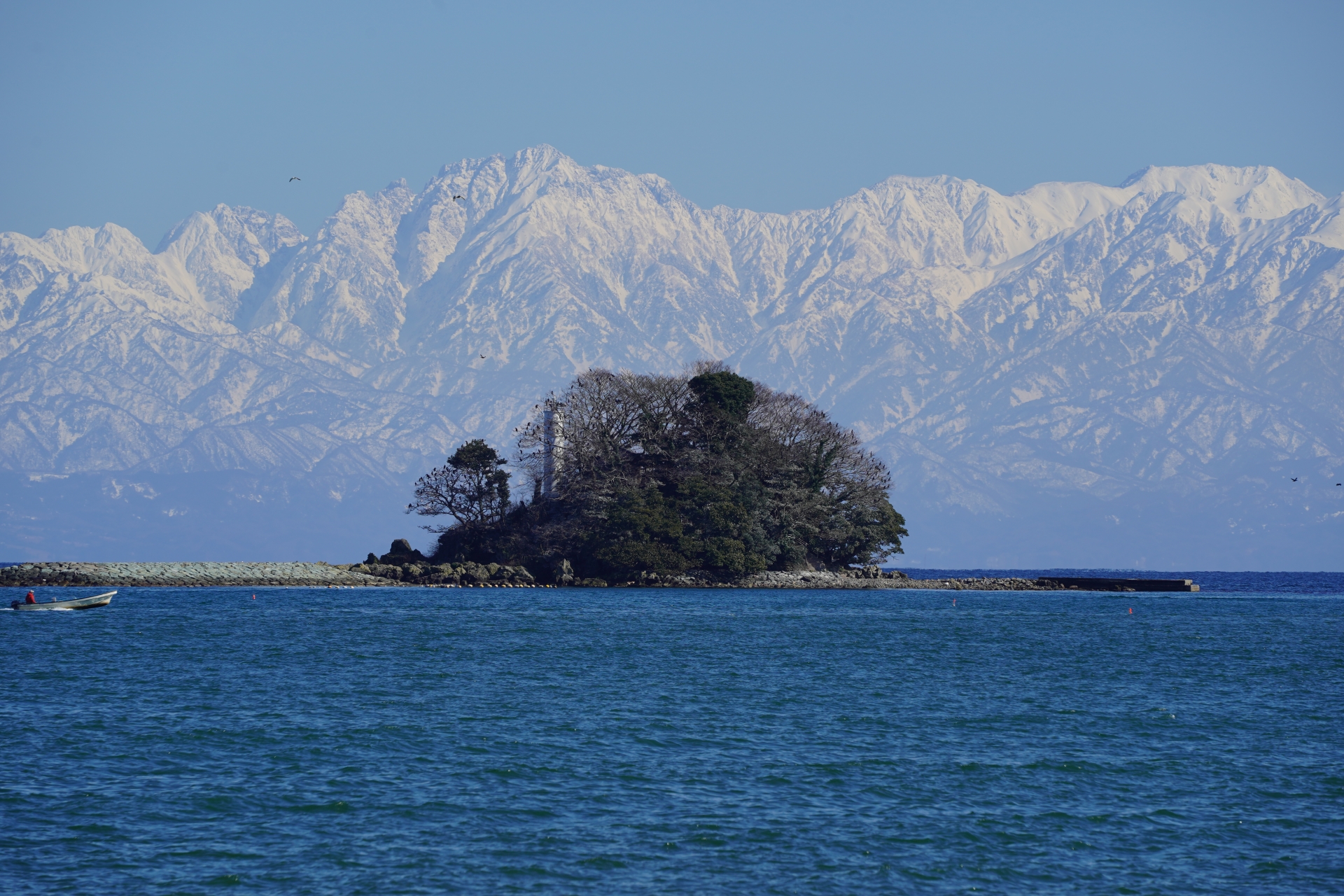
What kind of history does masu-zushi, known as a local specialty of Toyama Prefecture, have?
Its history dates back to the Kyoho era of the 18th century.
A retainer named Shinpachi Yoshimura, who was a cook of the Toyama clan, presented narezushi to Toshioki Maeda, the lord of the Kaga clan. It is said that the filling at that time was sweetfish (ayu), not trout.
Deeply impressed by its deliciousness, Toshioki Maeda presented it to Yoshimune Tokugawa, the shogun of the time, and is said to have greatly enhanced his standing.
Afterward, cherry trout (sakuramasu) caught in the Jinzu River was used as the sushi filling, and masu-zushi was born. This masu-zushi went on to become an offering of the Toyama clan for years to come.
Masu-zushi, a local specialty of Toyama Prefecture, rose to fame after it began to be sold as an ekiben.
In 1912, masu-zushi appeared as an ekiben under the name "Masunosushi," and in 2012 it celebrated the 100th anniversary of its launch, boasting unshakable popularity.
The Difference Between Salmon (Sake) and Trout (Masu)
By the way, trout is very similar to salmon in both appearance and flavor.
In reality, what differences are there between salmon and trout?
Trout is a fish of the order Salmoniformes, family Salmonidae, in the class of bony fishes (Osteichthyes).In fact, it is said that there is no clear biological distinction between salmon and trout.
"Masu" is merely a general term for fish whose names contain "masu" or "~masu." Sakuramasu (cherry trout) and karafutomasu (pink salmon) fall under this category, but the truth is that the difference is hard for a layperson to tell.
In any case, masu-zushi, which developed in Toyama Prefecture, is made with cherry trout (sakuramasu) that inhabit the Jinzu River, and its delicate flavor is much loved.
The Various Names of Masu-zushi
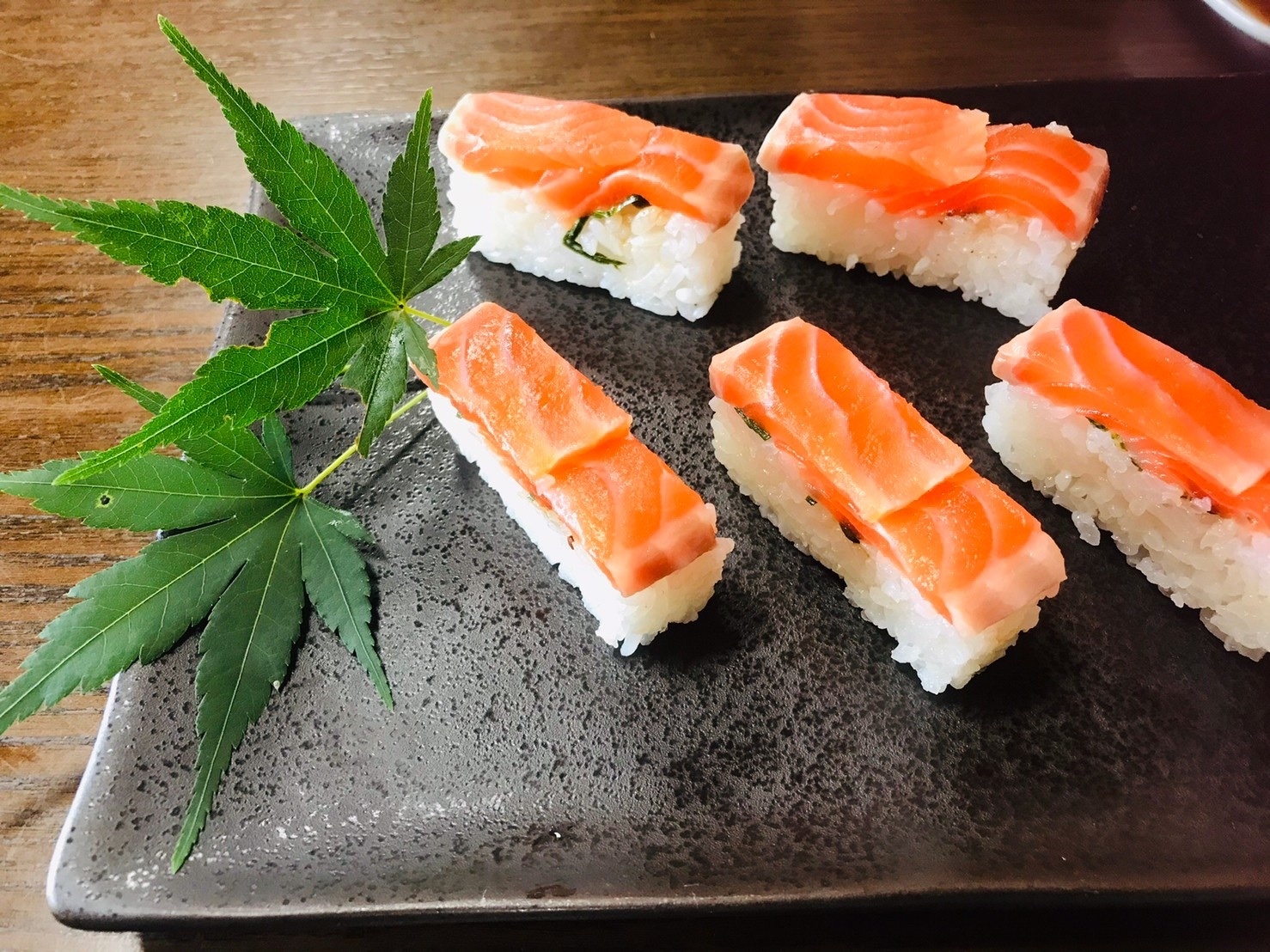
Although this sushi generally goes by the name masu-zushi, it actually has a variety of names.
In the Meiji era it came to be known as an ekiben under the name "Masunosushi," and there are also various names depending on the shop or brand, such as "Masunozushi," "Masuzushi," and "Masu-zushi."
There are many masu-zushi shops within Toyama Prefecture, each of which varies its product name slightly. These product names appear to be the source of the variety of names. Precisely because it was an offering to feudal lords and shoguns, many of the names are elegant and also use hiragana.
The product names of people's favorite masu-zushi shops likely spread throughout the various regions.
The Taste of Masu-zushi
Masu-zushi, beautiful with the vivid color of the trout flesh. What kind of flavor does it have?
Masu-zushi, characterized by its round shape, is best eaten by cutting it like a cake.
This shape too is well suited for eating lively gatherings with family and friends, and may be a secret to its popularity.
Because masu-zushi is a type of pressed sushi, the vinegared rice portion is firmly compact. The sliced trout is salted and vinegar-cured, so it has an appealing, well-balanced flavor with no fishy odor.
Wrapped in bamboo leaves and placed in a wooden bentwood box (magewappa), masu-zushi is also characterized by the fragrant aromas of the bamboo and wood.
Masu-zushi, in which these elements come together, has become a long-seller with its refined taste.
Five Top Masu-zushi Shops
Masu-zushi, once an offering of the Toyama clan, has several renowned shops.
Among them, we introduce five carefully selected stores.
Masu no Sushi Shimatsugawa Honten
Shimatsugawa, which boasts unshakable popularity among local people, is known for its masu-zushi sold under the product name "Masu no Sushi."
The reason for its popularity lies in the exquisite degree of aging of the trout. In addition to a trout deliciousness that other shops cannot imitate, they choose "Tenkomori," a rice variety with large, sticky grains that matches it perfectly.
This supreme combination, born of trial and error, has earned the support of local residents.
Store name: Masu no Sushi Shimatsugawa
Address: Nishimori Bldg. 1F, 2-10 Hatago-machi, Toyama City, Toyama Prefecture
https://goo.gl/maps/EwzRnvVATTwjkLnh9
Phone: 076-494-9200
Website: https://matukawa.biz/index.html
Uozu Masuzushi-ten
There is a masu-zushi that cannot be mass-produced because the shop takes pride in careful handwork.
That is the "Masu no Sushi" of Uozu Masuzushi-ten.
It is so popular that a reservation is said to be essential to obtain it, and some even call it the ultimate masu-zushi.
With an advance reservation, this shop's artisans will craft it with the aging and pressing tuned to the day you plan to eat it—true craftsmanship.
Store name: Uozu Masuzushi-ten
Address: 701 Ekimae-shinmachi, Uozu City, Toyama Prefecture
https://goo.gl/maps/7G38hHQWuPD7xSFx7
Phone: 0765-24-3761
Website: https://www.keison.jp/masuzushi
Masu no Sushi Takataya
Famous as a long-established shop founded in 1872 (Meiji 5) is Masu no Sushi Takataya.
Takataya, located on the banks of the Jinzu River where trout are caught, is, according to records, the oldest masu-zushi shop.
It is a renowned shop that not only sells delicious masu-zushi but has also produced numerous artisans, and its authentic, orthodox deliciousness is known nationwide.
The harmony of the trout—which even has a juicy quality—and the chewy texture of the rice is a charm only a long-established shop that knows the climate and culture of Toyama through and through could achieve.
Store name: Masu no Sushi Takataya
Address: 1-1-13 Marunouchi, Toyama City, Toyama Prefecture
https://goo.gl/maps/WUtznmnSKJtnnSi1A
Phone: 076-432-4774
Website: https://takataya.biz/index.html
Ogiichi Masuzushi Honten
A hidden gem that has become a talking point among masu-zushi connoisseurs is Ogiichi Masuzushi Honten.
With no official website and no online sales, this shop's masu-zushi is so hard to obtain that being able to buy it feels like a miracle.
The distinguishing features of Ogiichi's masu-zushi are the thickness of the trout and its rare quality.
The shop's unique degree of aging is novel, and a flavor that sets it apart from conventional masu-zushi has made it popular.
Store name: Ogiichi Masuzushi Honten
Address: 54-11 Koizumi-machi, Toyama City, Toyama Prefecture
https://goo.gl/maps/ZCt7F22qiiNtZ2nu5
Phone: 076-491-0342
Aoyama Sohonpo
Aoyama Sohonpo is a shop that skillfully uses wild cherry trout and imported salmon for different purposes, and is particular about everything from the vinegar and rice to the bamboo leaves and bentwood box.
Even the aromas of the bamboo leaves and the container have an air of refinement, and it is said to be often used as a gift in Toyama. Its refreshing texture from carefully selected vinegar is appealing, and it is recommended for those who want to taste a cut above in masu-zushi.
Store name: Aoyama Sohonpo
Address: 1-4-6 Shintomi-cho, Toyama City, Toyama Prefecture
https://goo.gl/maps/LwFzfA8fSWYaSwh78
Phone: 076-432-5324
Website: http://www.masuzusi.com/
Highly Rated Masu-zushi You Can Buy Online
Although masu-zushi is a local specialty of Toyama Prefecture, you can also buy the flavors of its renowned shops online. From the five top shops introduced above, the long-established Takataya, Aoyama Sohonpo—which uses wild cherry trout—and Shimatsugawa—which is particular about aging—can all be ordered online.
Besides the shops mentioned above, "Masunosushi," famous as an ekiben, is also available for purchase online.
Even without going to Toyama, you can savor the deliciousness of masu-zushi at home.
Masunosushi
Masunosushi, also famous as an ekiben, can of course be purchased online too.
Its nostalgic, ekiben-style flavor enjoys unshakable popularity.
Store name: Masunosushi Honpo Minamoto
Website: https://www.minamoto.co.jp/catalog
Aoyama Sohonpo
The flavor of Aoyama Sohonpo, which is particular even about the bamboo leaves and the vinegar, can be ordered online.
Be sure to try it when you want to savor a refined masu-zushi.
Store name: Aoyama Sohonpo
Website: https://item.rakuten.co.jp/masunoshi-aoyama/sp-single01/?s-id=review_PC_il_item_01
Takataya
Takataya, which also appeared in "Five Top Masu-zushi Shops." It is known for having the longest tradition of any masu-zushi shop. Be sure to savor at home this delicacy that Toyama prides itself on.
Store name: Masu no Sushi Takataya
Website: https://takataya.biz/index.html
References
※2.厚生労働省「【語句説明】 1.EPA(エイコサペンタエン酸)」P.24