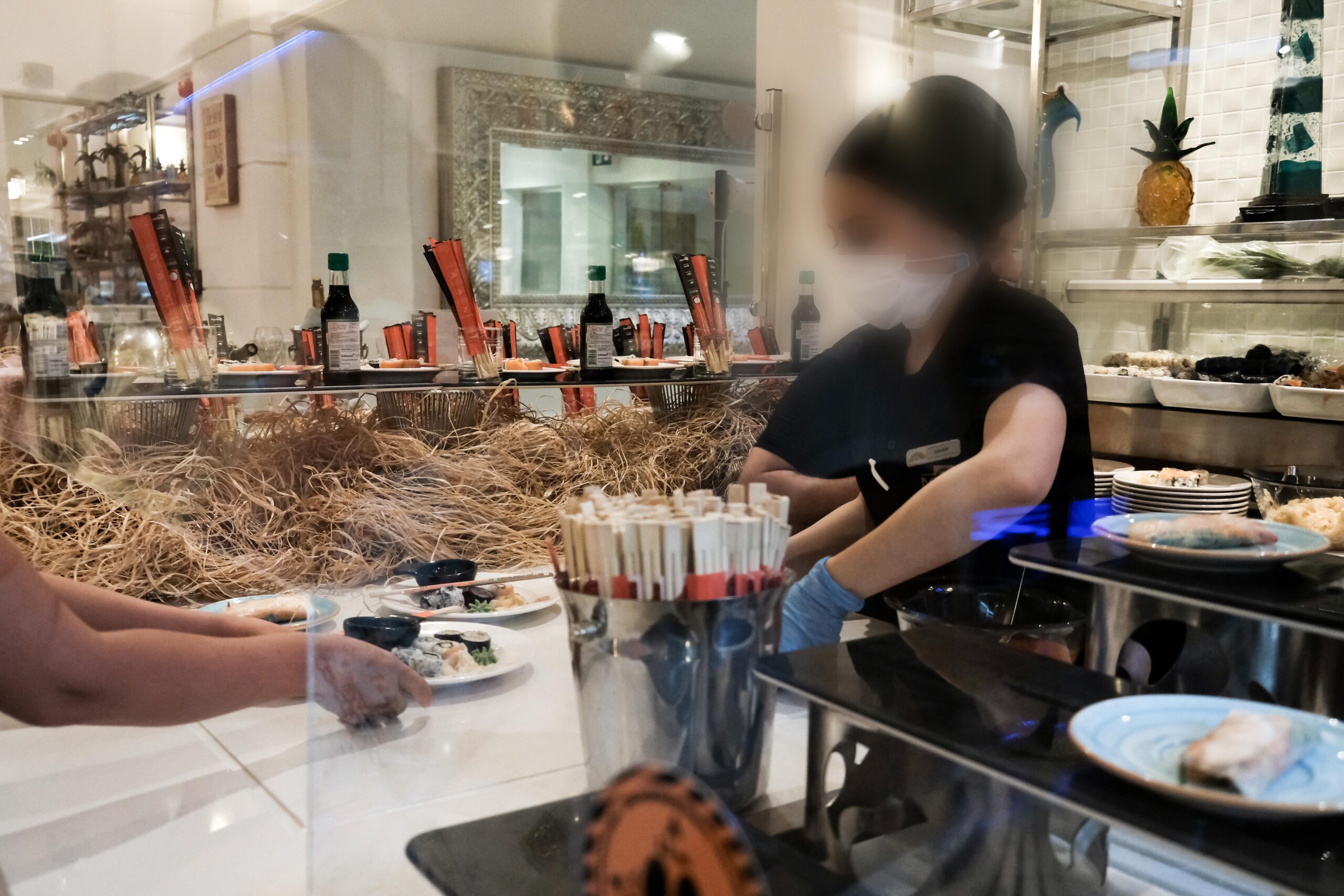
People with their faces and bodies covered by hijabs are visiting Japanese restaurants to eat sushi.
Sushi, originally a traditional Japanese dish, is rapidly gaining popularity throughout Turkey and the wider Middle East as part of a movement of cross-cultural harmony and exploration.
Turkey’s Sushi Boom
Turkish cuisine is one of the world's leading culinary cultures, shaped by the influence of the Ottoman and Byzantine Empires, and centered on meat, vegetables, and legumes. Recently, however, the influence of Far Eastern cultures has also become apparent, and in regions surrounded by the sea, sushi made with fresh seafood is gaining popularity.
One reason for this is the growing interest among Turkish citizens in foreign cultures.
In addition, some sushi items such as maki rolls are cheaper than meat, and sushi has proven its value as an alternative to soaring red meat prices.
New sushi restaurants are opening all over Turkey, and hotels have also begun increasing their hiring of sushi-making staff. Because employing sushi-making staff is said to place less of a financial burden than hiring Turkish chefs, it is helping to spread this new dining culture.
This demand is expected to keep growing, anticipating factors such as an increase in Arab tourists, and Turkey's sushi culture is expected to continue developing.
The Japanese Food Boom Across the Middle East
Not only in Turkey, but across the entire Middle East, Japanese food is growing in popularity.
As the number of affordable Japanese restaurants increases, Japanese cuisine has come to be loved by Middle Eastern food enthusiasts, giving Japanese food and beverage companies new opportunities for overseas expansion.
In particular, the rise in affordable Japanese restaurants is one factor behind the growing interest in Japanese food, and casual sushi and ramen chains are increasing in popularity.
Centered on Dubai, exports of Japanese food to the Middle East are on the rise, with exports to the United Arab Emirates being especially large. The Japanese Consulate-General in Dubai has held shiitake mushroom tastings, and interest in Japanese food is rising further.
However, because challenges such as alcohol restrictions and halal regulations (religious rules defining which foods and drinks are permissible and which are forbidden) exist, exports of Japanese food to the Middle East account for only about 10% of the total.
In order to further accelerate the spread of Japanese food, these challenges need to be resolved.
A Fusion of Cultures: Sushi Culture Taking Root
As sushi grows in popularity around the world, a sushi boom is gradually spreading across Turkey and the wider Middle East as well.
The power of sushi to not only delight people's palates but also connect countries and cultures is expected to continue expanding in the Middle East.
The Middle East has its own traditional food cultures, but by uniquely interpreting the sushi that has been introduced through cultural fusion and incorporating it into their own cultures, sushi in the Middle East will likely continue to evolve, undergoing new transformations in the years ahead.
The day when Japan's globally beloved sushi culture takes root on Turkish dining tables is not so far off.