What Is Kabura Sushi? Origins and Famous Restaurants
What Is Kabura-zushi?
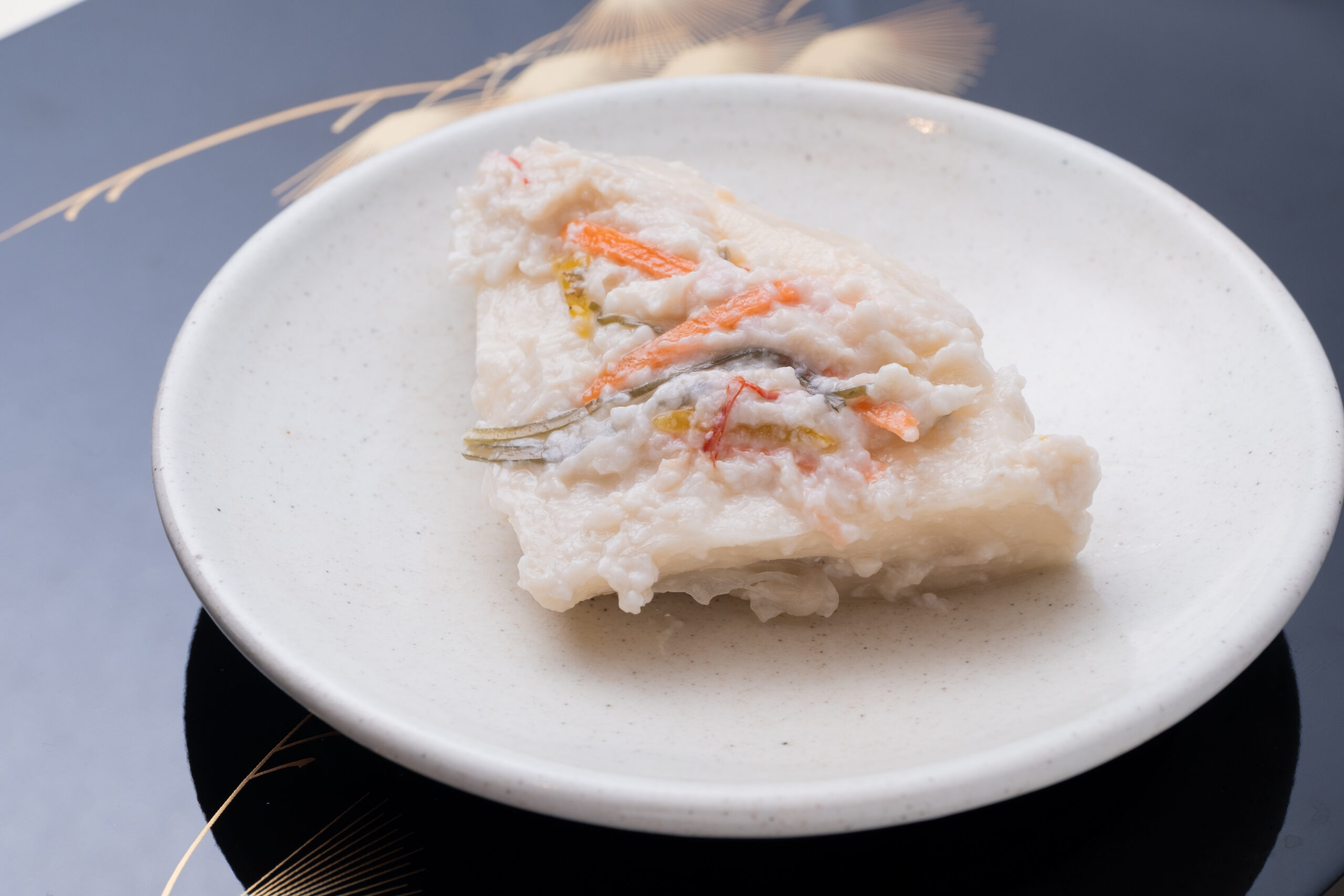
What kind of sushi is kabura-zushi, and how is it made?
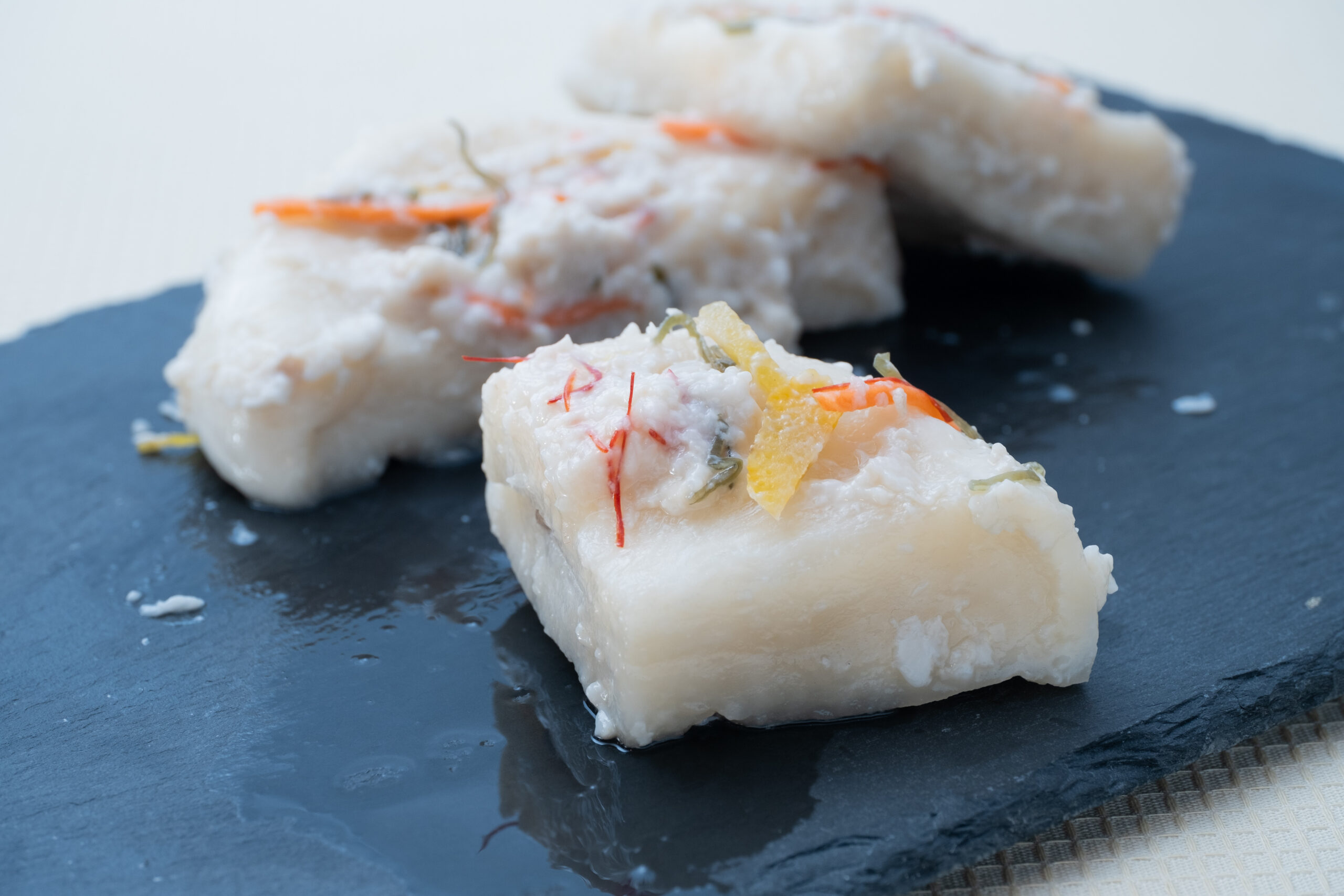
The preparation period for kabura-zushi is the dead of winter, from November to February. A sweet turnip called "aokubi kabura" (green-necked turnip) is salt-pickled, and between it is sandwiched salt-pickled wild yellowtail caught in the seas of both Toyama and Ishikawa prefectures, which is then pickled together with koji (rice malt) and rice. By pickling for a long period, the koji mixed with rice, the yellowtail, and the turnip ferment, producing sweetness and acidity, and the umami of the fish blends in to create a deep flavor. Because koji mold becomes active in winter, kabura-zushi is mainly made in winter.
Although it bears the name "sushi," kabura-zushi does not use vinegared rice; it is a type of preserved food called "nare-zushi," made by fermentation.
Winter yellowtail and mackerel are richly fatty, and as a result their freshness deteriorates easily. People who have grown their own vegetable gardens may relate: vegetables in season are harvested in abundance, but if left for a long time without being consumed, they spoil. Kabura-zushi, made by salt-pickling fresh yellowtail and pickling it together with turnips harvested in winter, can be called a crystallization of the wisdom of cherishing the precious blessings of the season.
Local sushi made by pickling fish and vegetables in a koji bed can also be seen in Tohoku and Hokkaido besides Hokuriku, but Hokuriku's kabura-zushi is characterized by having more turnip than rice. Rather than sushi, it is closer to pickled fish and turnip, and its luxurious flavor, in which the umami of the fish and the sweetness of the turnip become one, goes exceptionally well with sake and is very popular.
It is not known for certain when kabura-zushi began to be made. However, since there is a record of "salted-yellowtail sushi" by a chef of the Kaga domain in the mid-Edo period, it is clear that kabura-zushi already existed in the Edo period. Turnip and wild yellowtail were expensive ingredients both then and now. At that time, sushi using turnip and yellowtail was eaten by high-ranking samurai, while commoners seem to have eaten daikon-zushi and saba-zushi made from inexpensive, easily obtained daikon and mackerel. Kabura-zushi, made using expensive ingredients with much labor and time, was a special dish sent as a year-end and New Year greeting from the Edo period, and eaten on New Year's and celebratory days.
Kabura-zushi is a fermented food made possible only by the cold Hokuriku climate and its blessings, and it was a luxurious dish for special days, placed alongside the osechi cuisine of the New Year.
Kabura-zushi was also a dish beloved by writers and scholars. Kabura-zushi often appears in the diaries and letters of authors from Kanazawa, such as Saisei Murou, Kyoka Izumi, and the Buddhist scholar Daisetsu Suzuki. A letter remains in which Ryunosuke Akutagawa shared kabura-zushi sent to him by Kyoka Izumi with close artists, so it seems to have been beloved as a small gift among writers and artists.
Famous Kabura-zushi Shops You Must Taste on a Winter Kanazawa Sightseeing Trip
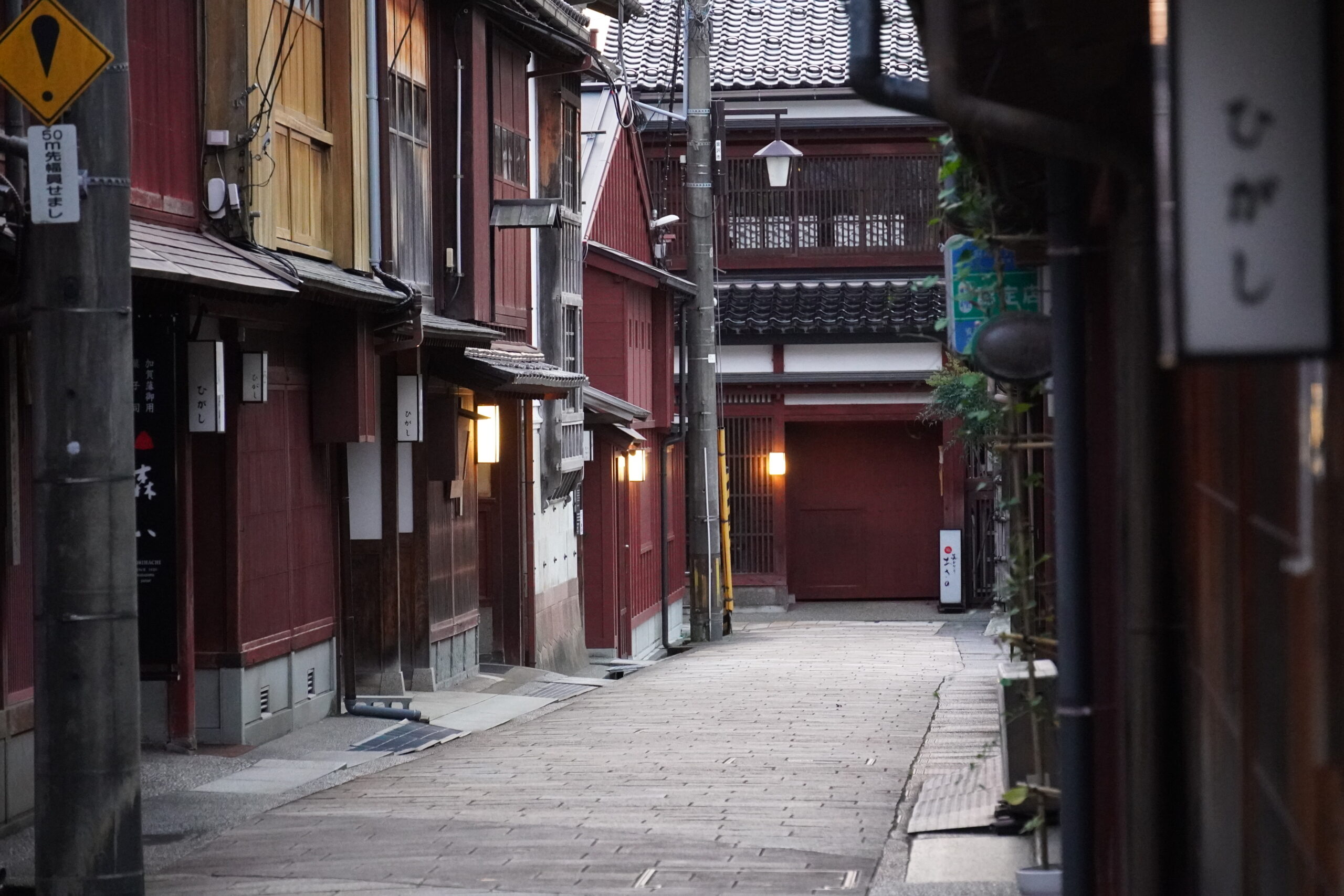
1. When It Comes to Kabura-zushi in Kanazawa, This Is the Place! Shijimaya Honpo, Founded in 1875 (Meiji 8)
A long-established shop representative of Kanazawa, which has worked with fermented foods such as soy sauce, miso, and koji over a span of more than 150 years, starting from soy sauce brewing. The main store is located in an Important Preservation District for Groups of Traditional Buildings, and is a traditional Kanazawa machiya (townhouse) building; the historically atmospheric building alone is worth a visit.
In addition to the venerable kabura-zushi that has been continuously made since the Meiji era, it offers a full range of pickles such as sake-lees pickles and miso pickles. It also puts effort into activities to protect Kanazawa's culture and climate, such as an in-house farm that handles the turnips—the raw material—from soil preparation, kabura-zushi making experiences, and workshops where you can experience Kanazawa's samurai and townspeople culture. It is a famous shop you will definitely want to visit when you come to Kanazawa, where you can not only buy souvenirs but also experience the local culture.
Shijimaya Honpo https://www.kabura.jp/contents/shoplist
2. Kabura-zushi Honpo Kabata
Kabura-zushi was originally made mainly in individual households as a local dish. The first to commercialize it was "Kabura-zushi Honpo Kabata." A long-established shop founded in 1925 (Taisho 14), it also has a full-fledged online shop. Like Shijimaya Honpo, while it is committed to preserving and producing the native Kanazawa green turnip that supports the local flavor, it is also diligent in technological innovation and in exploring sales suited to the times. The original flavor that spread Kanazawa's kabura-zushi nationwide continues to fascinate many people unchanged to this day.
Kabura-zushi Honpo Kabata https://kabata-web.shop-pro.jp/
How was it?
Currently, kabura-zushi is sold year-round at various online malls, but as you would expect, this traditional local dish is best tasted in winter, its season.
Besides Kanazawa, kabura-zushi from Himi in Toyama Prefecture is also highly regarded.
Please give it a try when you travel to Hokuriku.