Sushi Basics Part 4 — Kai (Shellfish)
The History of Shellfish Sushi
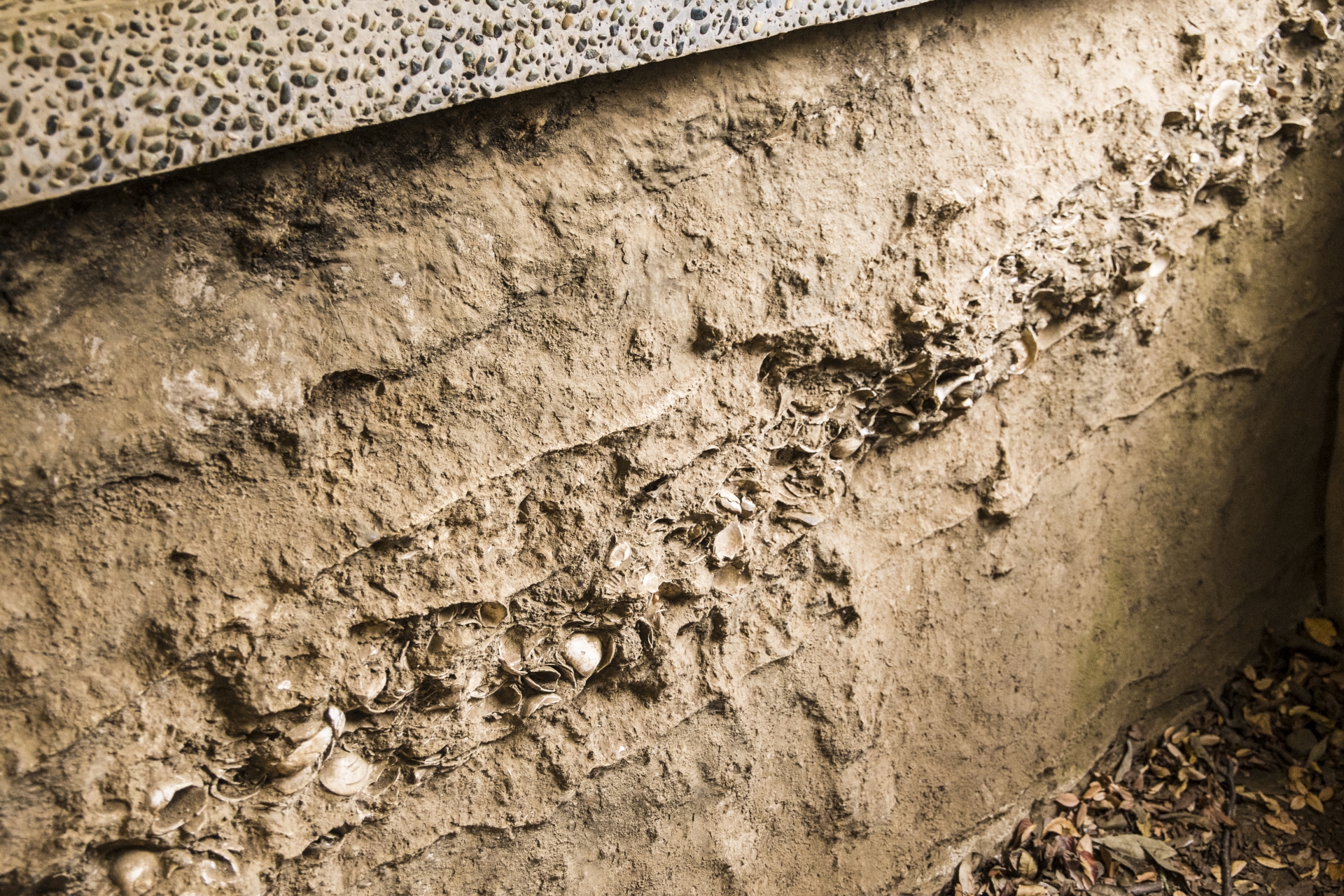
As the shell mounds (kaizuka) of the Jomon period show, shellfish have been an important food for the Japanese since ancient times, and are indispensable when discussing the diet of sea-surrounded Japan.
The leading theory holds that sushi began when "narezushi," originating in Southeast Asia, was transmitted to Japan along with rice cultivation. In the Nara period, shellfish such as abalone and mussels were eaten as narezushi, and records remain of them being presented to the imperial court. Narezushi differs somewhat from today's so-called nigiri sushi: it was oxidized by pickling in rice for a long period and had a strong character as a preserved food.
Eventually, in the Edo period, a prototype of nigiri sushi called "haya-zushi" appeared centered on Edo, and gradually changed into "nigiri sushi." This is so-called Edomae sushi; the nigiri sushi we know is said to have begun around this time, and the kanji for "sushi" also came to be used frequently around then.
Because there was no freezing technology in those days, it was difficult to eat shellfish—and many sushi toppings—raw, and in most cases they were eaten after a step such as simmering or boiling.
Eventually, after the war, freezing technology advanced and they could be eaten raw. Raw shellfish sushi makes it easy to savor the umami of the sea and is said to be favored by connoisseurs, but there was a long road to reach that point.
The Nutrition of Shellfish
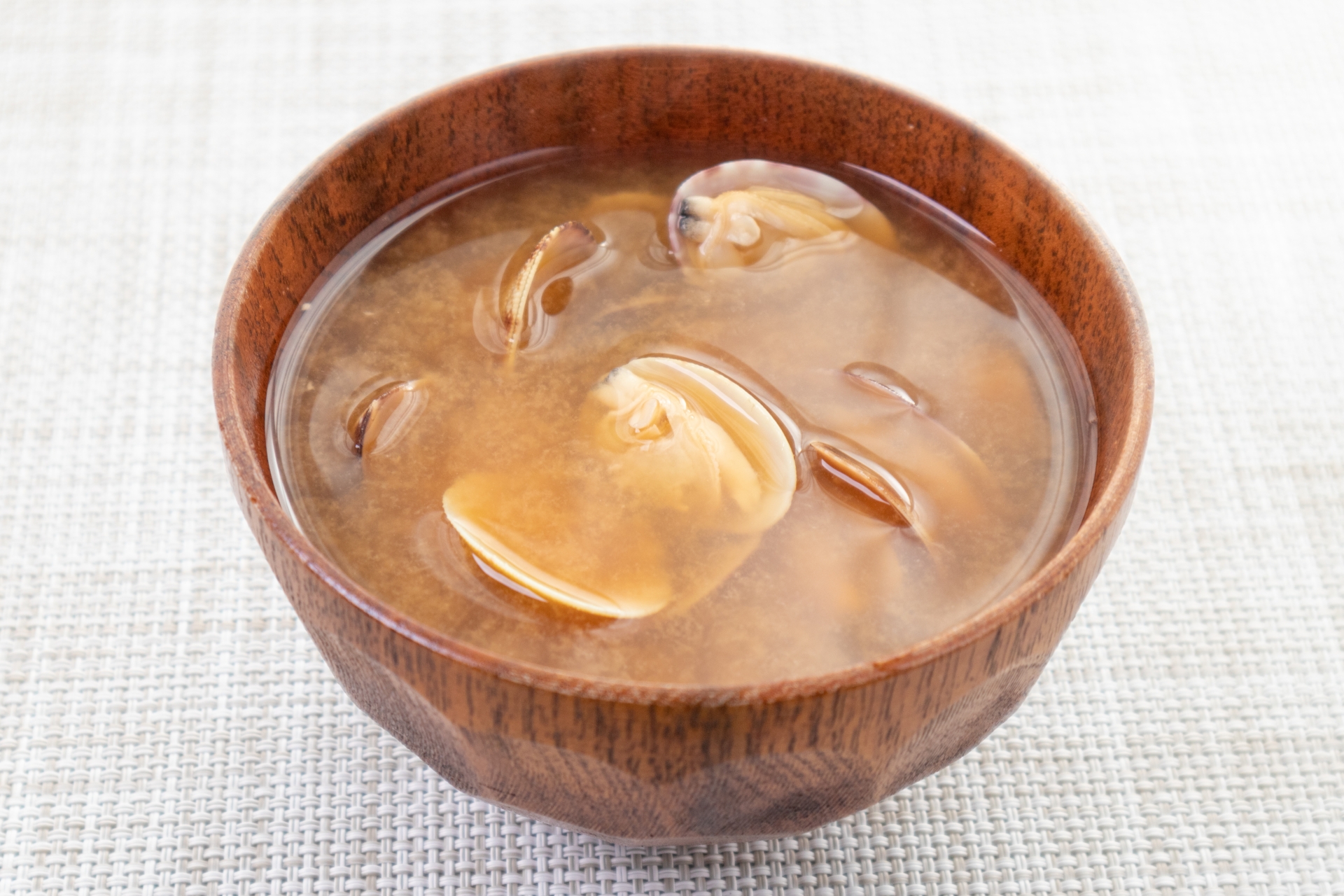
Shellfish are relatively low in fat, but because they enclose within their shells the minerals and nutrients dissolved in seawater, they are highly nutritious foods, containing minerals, protein, vitamin B, calcium, iron, zinc, potassium, magnesium, and more.
They are also rich in taurine, which helps return the body and cells to a normal state. Taurine promotes the breakdown of cholesterol in the liver and works to lower blood cholesterol, helping to prevent declining heart function, hypertension, declining liver function, and arteriosclerosis.
Thus, shellfish have excellent nutritional value, but beyond nutrition, they contain umami components such as the amino acids glutamic acid and succinic acid, so they are highly functional foods, used even as the dashi for miso soup.
A note of caution: shellfish also contain salt, so when using shellfish as an ingredient in miso soup, you need to be careful not to take in too much salt.
Also, some shellfish, such as the Japanese babylon (etchu-baigai), can have adverse effects on pregnant women, so pregnant women should be careful not to overeat them.
Shellfish Sushi
Next, let us introduce the characteristics and nutrients of shellfish often used as sushi toppings.
Akagai (Ark Shell)
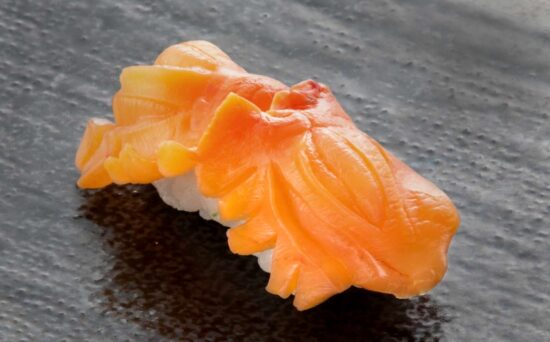
Akagai is a traditional sushi topping popular since the Edo period; its name is said to come from its reddish flesh. The lustrous, vivid coloring is proof of freshness, and it is a topping in which you can enjoy a seaside aroma reminiscent of the ocean, a firm, springy bite, and the fresh umami unique to akagai.
Akagai offers many ways to enjoy it: making the mantle (kai-himo) into a gunkan-maki, or, besides nigiri sushi, simmering the liver in a sweet-savory sauce as a drinking snack.
It was once caught in abundance even in Tokyo Bay and spread widely even to common people, but since the period of rapid economic growth, catches have decreased domestically due to changes in the marine environment and overfishing, and the price of domestic akagai has risen.
Today, with the advance of aquaculture technology, farmed akagai from the Korean Peninsula and China is widely distributed, and it can now be enjoyed even at inexpensive conveyor-belt sushi.
[Season] Mainly autumn to spring. The cold period from winter to early spring is the most delicious.
[Nutrition] High in protein, rich in vitamin B12, iodine, and more.
Torigai (Cockle)
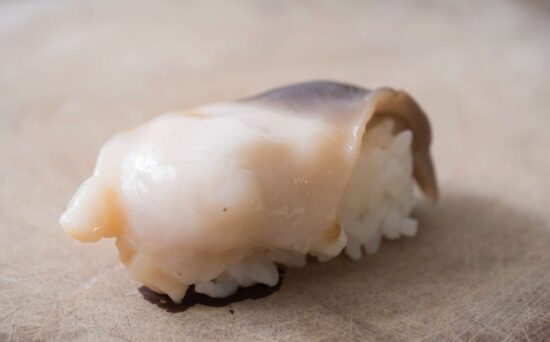
A shellfish whose flesh surface is covered by a black membrane. The edible foot is shaped like a bird's beak, and because it has a sweetness like chicken, it was given this name ("tori" meaning bird).
It is a representative shellfish that has been used as a sushi topping since nigiri sushi was born in the Edo period. Caught in Tokyo Bay, Mikawa Bay, and the Seto Inland Sea, torigai farmed in Tango, Kyoto, has been branded.
Compared with other shellfish, it has a strong sweetness and is a topping with little of the off-character—in a good way. Generally, boiled torigai is distributed, but those that arrive in the shell can be enjoyed pressed raw as nigiri or lightly seared. Large, fresh torigai is served even at high-end sushi restaurants.
In Kyoto Prefecture, torigai aquaculture has advanced, and it is shipped as the regional brand "Tango Torigai." Because it is not affected by predators such as octopus and starfish, its flesh is larger than wild torigai.
[Season] April to July. Spring on the Pacific side, summer on the Sea of Japan side.
[Nutrition] Protein, fat, B vitamins, vitamin C, sodium, potassium, and more. Expected to boost immunity and aid recovery from fatigue.
Hotategai (Scallop)
The name hotategai ("sail-raising shellfish") is said to come from the folk belief that the scallop opens one half of its shell like a sail and moves through and over the sea like a sailboat catching the wind.
Because it grows in cold water, the main domestic production areas are Hokkaido and Tohoku; the southern limit is said to be the Noto Peninsula on the Sea of Japan side and around Chiba on the Pacific side. Wild scallops are rare and were once treated as a luxury item.
After aquaculture technology spread, the price fell, but Okhotsk scallops, whose season runs from early summer to autumn, have an especially strong sweetness and attract many fans.
As a sushi topping, the plump adductor muscle is generally sliced thickly—so as not to spoil its real charm, the soft texture—and pressed into nigiri. Its mouthfeel and mellow sweetness are popular regardless of age, and just before the spawning season the ovaries and testes offer a rich sweetness.
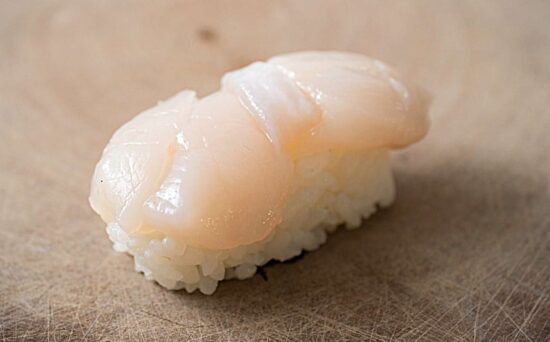
[Season] There are two seasons: from early spring after spawning into summer, and winter when the gonads (roe) have developed.
[Nutrition] Contains vitamin B1 and taurine, said to be effective for recovery from fatigue and improving organ function.
Awabi (Abalone)
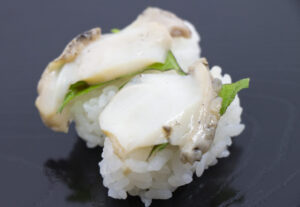
Characterized by a crisp, crunchy bite, it is prepared in a wide range of ways besides sushi—sashimi, sake-steaming, steak, and more. Dried abalone is used as a high-end ingredient in Chinese cuisine.
There are four kinds of abalone: kuro-awabi (disk abalone), ezo-awabi, madaka-awabi, and megai-awabi. Abalone is considered the most luxurious of shellfish; kuro-awabi in particular is an ultra-high-end item supplied to first-class sushi restaurants and ryotei.
Its name appears repeatedly even on wooden tablets (mokkan) of the Heian period, suggesting that aristocrats of the time favored eating it.
In recent years, owing to overfishing and the deterioration of the marine environment, it has sharply declined, and the price of wild abalone has risen further; but ezo-awabi, whose aquaculture is advancing, is relatively inexpensive and is served at conveyor-belt sushi restaurants and the like.
In-season abalone has a mellow aroma and rich umami, and when simmered using dashi or broth, you can enjoy an even softer texture. Sake-steamed abalone is a popular drinking-snack item at sushi restaurants.
[Season] Varies by region and kind, but generally July to September before the spawning season. Abalone is a summer seasonal word (kigo) in haiku.
[Nutrition] Low-calorie and high-protein. Rich in collagen, expected to help keep skin youthful and strengthen bones.
Hamaguri (Common Orient Clam)
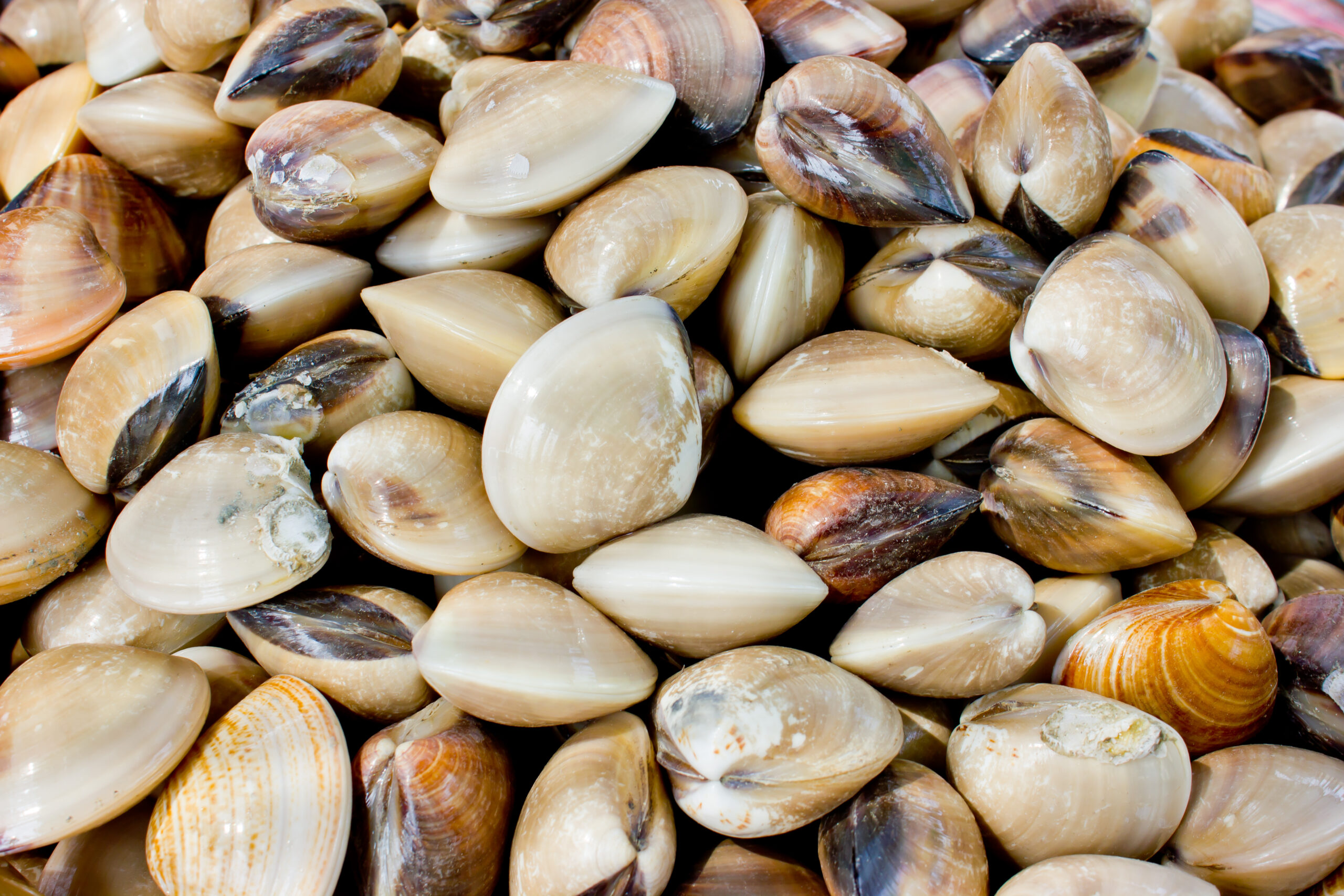
Because its shape resembles a chestnut, the name hamaguri is said to come from "hama no kuri" (chestnut of the beach).
It was once caught all over Japan, but now its numbers have sharply declined, and domestic wild hamaguri is found only in the Kashima-nada (Ibaraki Prefecture), Ise Bay, the Suo-nada in the western Seto Inland Sea, and parts of the Ariake Sea, with Ibaraki Prefecture accounting for about 70% of the national catch.
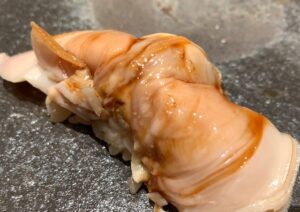
In Japan there is no custom of eating hamaguri raw; basically, after simmering, it is served brushed with a sweet nitsume (reduction sauce) made from the simmering broth of conger eel. Simmering and preparing hamaguri is a tradition of Edomae sushi, and also a way of inheriting the "iki" (refined chic) that has continued since the Edo period.
Besides being a sushi topping, hamaguri is also known as an auspicious food eaten at the Doll's Festival and at weddings. As a bit of trivia, a hamaguri's two shells, being a bivalve, fit perfectly only with the shell they were originally paired with. From the meaning of "spending one's whole life with a single partner," it came to be used as an auspicious symbol.
[Season] May to October is the spawning period; the season for eating is early spring, February to April, when the flesh is plump.
[Nutrition] Contains vitamin B12, iron effective for preventing anemia, calcium, and more.
Shellfish Sushi: The Sushi World's Great Supporting Actor
The shellfish sushi introduced here is only a tiny fraction; shellfish are said to number over 10,000 species in Japan alone and over 100,000 worldwide. It's astonishing that so many of them are suitable for eating, isn't it?
They may have a somewhat plainer image than commonly eaten tuna, salmon, or salmon roe, but shellfish—with their wide-ranging umami, textures, and nutritional value—surely add color to the world of sushi and enrich it. In film terms, shellfish sushi is truly the great supporting actor.
To dig even deeper into the appeal of sushi, do try various kinds of shellfish sushi.