

Tara — Cod
【Reading】たら
【English Name】Cod
Tara (cod), with its light, elegant white flesh, is most often kobujime (kelp-cured) before being formed into nigiri in sushi. Because it has modest fat, draping it in the umami of kelp adds depth to the flavor. As it is a fish that spoils quickly, only freshly landed or already kelp-cured products are used for raw consumption. It also pairs well with cooked preparations, with wide uses such as tara-chiri hot pot, dried fish, meuniere, and fried dishes. Tarako, made from the ovaries of suketodara (Alaska pollock), and the shirako (milt) of madara (Pacific cod) are also prized ingredients in winter.By classification, it is a group of marine fish gathered into the subfamily Gadinae, family Gadidae, order Gadiformes, mainly inhabiting the cold seabeds of the Northern Hemisphere. Along the Japanese coast, three species—madara, suketodara, and komai—dwell, and when abbreviated to "tara" it usually indicates madara. Its distinctive fin arrangement of three dorsal fins and two anal fins catches the eye, and most species have a barbel at the tip of the lower jaw. Madara is a large fish reaching up to 1 m in body length, with irregular mottled markings of light and dark across its whole body. The closely related Atlantic cod is even larger, with reports of individuals grown to nearly 2 m in total length.
The character 鱈 for tara is a kokuji (Japan-made kanji) named after its snow-white flesh. In the Edo period, shintara, salted without slitting the belly open, was favored by the samurai class for its auspiciousness in avoiding any reminder of seppuku, and became a standard fixture adorning the New Year's celebratory table.
Related Features: タラ
-

外国人にPopular SushiネタRankingsとOverseasのSushi事情
Japanese Foodにはたくさんの種類がありますが、Sushiはその中でも ダントツで人気が高く、近隣のAsiaをはじめ、北南米、ヨーロッパなど全世界で食されています。 どんなSushiネ -

全国のFemale1000人が選んだ!Conveyor Belt Sushiの好きなSushi ToppingsRankings ⑤【最終回·40位〜】
Sushi好きのみなさん、こんにちは!国内最大級のSushiメディア「Sushi Walker」編集部です。 今回も前回に引き続き、全国1000人の18歳以上のFemaleを対象に独自アンケ -

全国のFemale1000人が選んだ!Conveyor Belt Sushiの好きなSushi ToppingsRankings④【30位〜39位】
Sushi好きのみなさん、こんにちは!国内最大級のSushiメディア「Sushi Walker」編集部です。 今回も前回に引き続き、全国1000人の18歳以上のFemaleを対象に独自アンケ -
全国のFemale1000人が選んだ!Conveyor Belt Sushiの好きなSushi ToppingsRankings③【20位〜29位】
Sushi好きのみなさん、こんにちは!国内最大級のSushiメディア「Sushi Walker」編集部です。 今回も前回に引き続き、全国1000人の18歳以上のFemaleを対象に独自アンケ -
全国のFemale1000人が選んだ!Conveyor Belt Sushiの好きなSushi ToppingsRankings②【10位〜19位】
Sushi好きのみなさん、こんにちは!国内最大級のSushiメディア「Sushi Walker」編集部です。 今回も前回に引き続き、全国1000人の18歳以上のFemaleを対象に独自アンケ -

全国のFemale1000人が選んだ!Conveyor Belt Sushiの好きなSushi ToppingsRankings①【1位〜9位】
Sushi好きのみなさん、こんにちは!国内最大級のSushiメディア「Sushi Walker」編集部です。 今回は全国1000人の18歳以上のFemaleを対象に、「Conveyor Belt SushiのSushi Toppings」に -
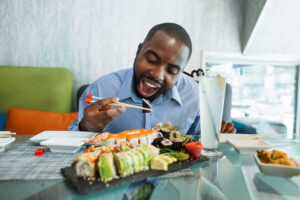
OverseasのSushi事情と外国人にPopular SushiネタRankingsBEST10!
Japanese Foodにはたくさんの種類がありますが、Sushiはその中でも人気が高く、近隣のAsiaをはじめ、北南米、ヨーロッパなど全世界で食されています。どんなSushi Toppingsが好まれてい
Load More
Close