

Kome — Rice
【Reading】こめ
【English Name】Rice
The ingredient that fundamentally determines the quality of nigiri is none other than rice (kome), the grain that sushi artisans call shari. Taxonomically it corresponds to rice (scientific name: Oryza sativa), a cereal of the grass family, and it is a grain that continues to support tables on a global scale.It provides most of its energy from starch, and also possesses protein, B-group vitamins, and a variety of minerals. Comparing at the stage of brown rice (genmai), which has not undergone the polishing process, with white rice, it has about 3 times the potassium, about 2 times the calcium, 8-10 times the vitamin B1, and about 4 times the dietary fiber, producing substantial differences.
The short-grain rice of the japonica variety is indispensable for sushi because its stickiness and sweetness after cooking stand out and it has properties suited to being made into vinegared rice. Tracing the origins of rice cultivation, the oldest example is cited as traces left at a site in the middle reaches of the Yangtze River in China around 7500 BC. To the Japanese archipelago, rice cultivation was transmitted in the late Jomon period, and paddy-field agriculture spread to various regions in the course of the transition to the Yayoi period.
Throughout Japan's history, rice was the grain that formed the foundation of the tax system and economic structure. As seen in the rite in which the emperor offers the first ears of rice to the deities at the Niiname-sai, it has continued to carry exceptional weight in both faith and culture.
Related Features: 米
-
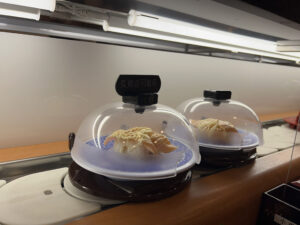
くらSushiUSAが予想を上回る好調!今後の米国における展望と課題
Japanを代表するRobot Conveyor Belt SushiChainの雄、くらSushiは米国にもChain展開を広げ、止まらない勢いだ。 くらSushiUSAは2023年第3四半期の業績が予想を上回る -

「はまSushi」有するゼンショー、米国Sushi大手スノーフォックスを8000億円超で買収
「はまSushi」や「すき家」で知られるゼンショーホールディングスが、米国·テキサスに本社を置き、北米とイギリスで3000のSushiの小売店を展開するSushi業者のスノーフォ -
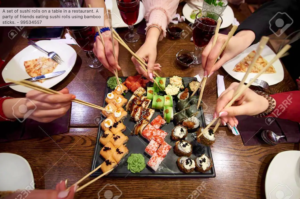
外国人にとってのSushiと刺身、Sushi Rollsの違いーWestern Countries編
Japanese Foodの代表ともいえるSushi、刺身、Sushi Rollsですが、特にSushiは「SUSHI」として、Japanのソウルフードとして世界中にその名を知られています。Sushi=Japanという認識を -
外国人が好きなSushi Toppings·Rankings―Western Countries編
今や全世界で愛されるよSea UrchinなったJapanのSushi。「SUSHI」として世界各国で広まり、各国ごとに独特なSushi Toppingsが現れるほどになっています。Japaneseをほとんど知らない外
Load More
Close