

Sushi (鮨) — Sushi (Kanji Variant)
【Reading】すし
【English Name】Sushi (salt-preserved fish kanji)
"Sushi" written with this character is one of the Chinese characters used to write "sushi," used alongside other characters meaning the same. In China it meant salted fish paste, and there is a usage example in the dictionary Erya from the 5th to 3rd centuries BCE. Originally, one character meant salted fish paste while the other meant pickled fish—two different things—but in the 3rd-century work Guangya they were treated as synonyms. Its first appearance in Japan is in the "zatsu-sushi" of the Yoro Code compiled in 718, and in the commentary Ryo no Gige the two characters were not distinguished, and thereafter both were read "sushi." In the Wamyo Ruijusho (931-938), the reading "sushi" can be seen. The etymology comes from "sushi" (sour) after the sourness of fermentation, and the modern spelling is an auspicious phonetic-character rendering. In haiku it is a summer season word, and the poet Buson also composed verses about funazushi (fermented crucian carp sushi).Related Features: 鮨
-
Sushi偉人伝①伝説の鮨 Craftsman·小野二郎 (すきばやし次郎 )
Sushi好きの中には、「小野二郎」あるいは「すきやばし次郎」という名を耳にしOctopusとがある方も多いかもしれません。 小野二郎(敬称略)は、江戸前Sushiの名店「すきばやし -
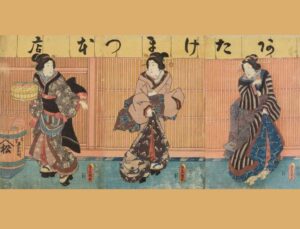
Sushi偉人伝③江戸一番の贅沢Sushi「松ヶ鮨」と堺屋松五郎
今やJapanの食文化を代表する江戸前Sushi。 前回はその江戸前Sushiの創始者として知られる華屋与兵衛を紹介しましたが、実はもうper person江戸前Sushiの創始者と称される人物がいま -
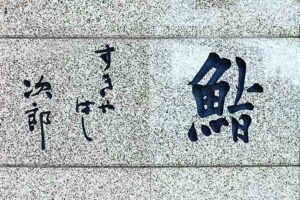
Sushi偉人伝①伝説の鮨 Craftsman·小野二郎 (すきばやし次郎 )
Sushi好きの中には、「小野二郎」あるいは「すきやばし次郎」という名を耳にしOctopusとがある方も多いかもしれません。 小野二郎(敬称略)は、江戸前Sushiの名店「すきばやし -
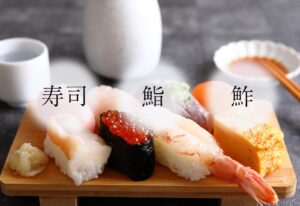
「Sushi」「鮨」「鮓」の違い
「すし」という言葉には、いくつかの漢字があります。 「Sushi」や「鮨」は日常的に目にしますが、その違いはなんでしょうか。 さらに「鮓」という漢字も「すし」と読みま -
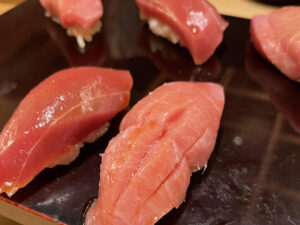
コスパ抜群!Tokyoで人気上昇中の「まんてん鮨」
「まんてん鮨」は、丸の内·日比谷·Nihonbashiの3店舗を展開する人気Sushi店です。 コストパフォーマンスの良さと新鮮なSushi Toppingsで、地元客や観光客に支持されています。 本
Load More
Close