

Edomae Sushi — Edo-Style Sushi
【Reading】えどまえすし
【English Name】Edomae-sushi
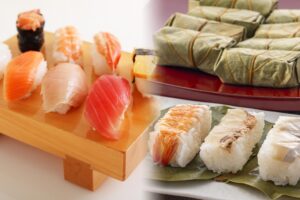
Edomae sushi is a sushi culture born in Edo centered on nigiri sushi. In its limited sense, it refers to sushi made with seafood landed along the shores of Tokyo Bay or by classical methods up until the early Meiji era; understood more broadly, it encompasses sushi in general served at nigiri sushi restaurants.Its origins go back to the Bunsei era, between 1818 and 1831, with Hanaya Yohei of Ryogoku and Matsunozushi of Ataka (Sakaiya Matsugoro) being its pioneers. At first it was mainly stand-up eating in a food-stall format, and a single piece is said to have been two to three times the size of today's.
Because it was a product of an era without refrigeration equipment, a culture of "shigoto" (handwork) took root, in which processing such as vinegar-curing, soy sauce marinating (zuke), simmering, and blanching was added to the toppings. The vinegar used for the rice also gradually shifted from the rice vinegar of the early days to lees vinegar (red vinegar).
Triggered by the Great Kanto Earthquake of 1923, many artisans moved to the Kinki region, and the postwar consignment-processing system further propelled it, so that Edomae sushi permeated all of Japan and beyond. Possessing diverse forms such as nigiri, nori rolls, chirashi, and inro-zushi, the gunkan-maki is said to have been created in 1941 at Kyubey in Ginza.
Related Features: 江戸前Sushi
-
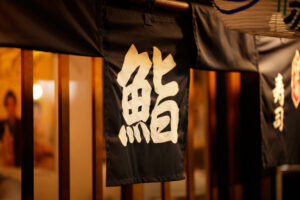
Sushi偉人伝②江戸前Sushiの創始者·華屋与兵衛
Japanの食文化の一端を担うSushiは、非常に多くの種類があります。 そのなかでも江戸前のSushiは、現在はSUSHIとして世界でももてはやされる存在になりました。 この江 -
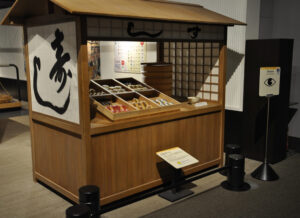
江戸前Sushiとは?江戸前Sushiの成り立ちや特徴を解説
今や「SUSHI」として世界中で人気のJapanのSushi。 外国人を対象にした好きなJapanese Foodアンケートで、Sushiは常にTOP5にRankingsする人気メニューです。 ミツカンが -
江戸前SushiとKansaiSushi5つの違い、KantoとKansaiのSushiはどれくらい違うの?
江戸前SushiとKansaiのSushiはどのくらい違うのかご存知でしょうか? SushiにはNigiriSushiやちらしSushi、箱Sushiなど様々な種類がありますが、現在ではConveyor Belt Sushiから高級なSushi Restaurantま
Load More
Close