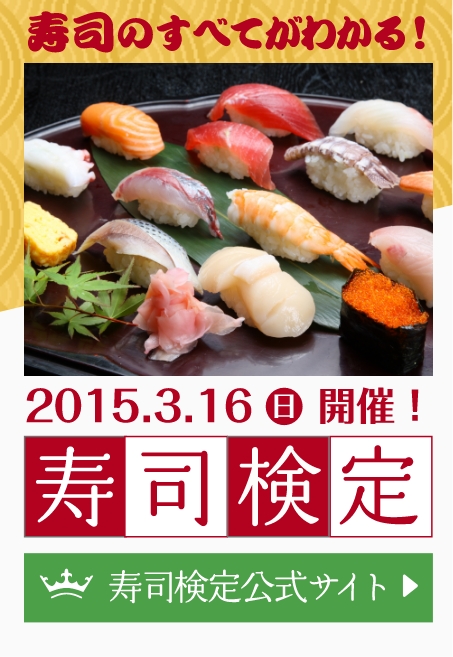


Nigirizushi — Hand-Pressed Sushi
【Reading】にぎりすし
【English Name】Nigiri-sushi
Nigiri-zushi is a style of sushi in which seafood and other toppings (neta) are combined with small, shaped vinegared rice (shari) to finish, positioned as a form of "haya-zushi (quick sushi)." It is said to have been born in Edo during the Bunsei era (around 1818–1830) and is a relatively young presence among sushi. There are theories crediting Hanaya Yohei or Sakaiya Matsugoro as its inventor.The techniques of nigiri are diverse—honte-gaeshi, kote-gaeshi, tate-gaeshi, and others—and the finished shapes are also varied: tawara (straw-bale) shape, hako (box) shape, and fune (boat) shape. Until the Taisho era, large nigiri about 2 to 4 times the current size were the norm. With the development of a machine that automatically forms shari balls in 1981, machine forming became mainstream at chain stores.
There are three ordering methods: "okimari" (a set), "omakase" (the owner's selection), and "okonomi" (the customer specifies one item at a time). Okonomi has a custom of ordering in units of two pieces; the proper way to eat is by hand, but chopsticks are also fine.
Triggered by the Great Kanto Earthquake of 1923, Tokyo chefs moved to various regions, and Edomae nigiri-zushi spread nationwide. During the postwar food-control period of 1947, business was permitted under a consignment system in which one go of rice was entrusted and processed into ten pieces of nigiri, and this system became the occasion for nigiri-zushi to take root in various regions.
Related Features: NigiriSushi
-
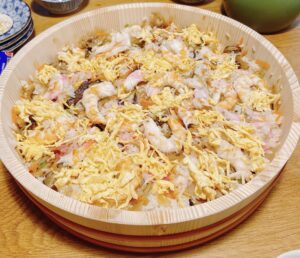
NigiriSushiだけじゃない! Japan全国のLocal Sushi30選を一挙にご紹介
Sushiといえば、ほとんどの人が思い浮かべるのはNigiriSushiですが、全国にはNigiriSushi以外にもそれぞれの土地の気候風土や歴史に根付いた「Local Sushi」があります。 古い歴史や
Load More
Close