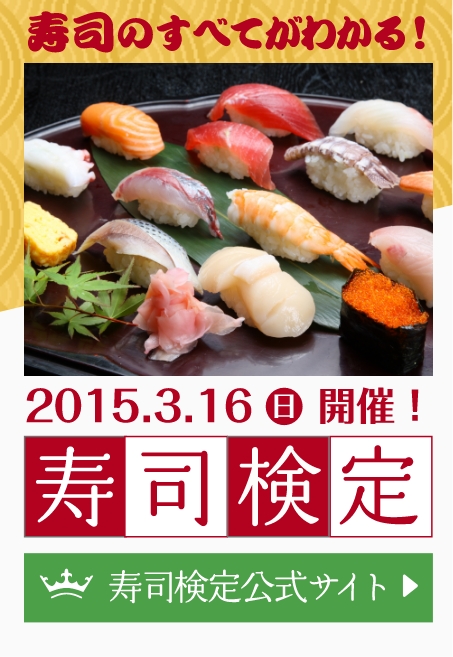


Nigiri — Hand-Pressed Sushi
【Reading】にぎり
【English Name】Nigiri
Nigiri refers to sushi made by placing a sushi topping (neta) on top of a small ball of vinegared rice (shari-dama) and shaping it by hand. Formally called "nigiri-zushi," it has become so representative that today "sushi" is virtually synonymous with nigiri.Its origin is said to date to the late Edo period, around the Bunsei era (circa 1818–1830), and the theory that it was devised by Hanaya Yohei is widely known. It is said that shrimp oboro was originally used as a topping. At the time of its birth it was a food for common people sold at street stalls, and is said to have been about two to three times the size of today's nigiri.
In Edomae nigiri, it is characteristic that the toppings undergo preparatory work such as simmering, steaming, zuke (marinating), kombujime (kelp-curing), and suarai (vinegar washing), and red vinegar was used for the shari. The toppings were broadly classified into three categories—simmered types (anago, ebi, etc.), hikarimono (kohada, aji, etc.), and those for sashimi—but with the development of refrigeration technology, raw toppings became mainstream.
The ideal of nigiri is that it "does not fall apart when picked up with chopsticks, yet comes apart in the mouth." Since 1981, shari-dama forming machines have been developed, and machine-formed nigiri has also become widespread at conveyor-belt sushi chains and the like.
Related Features: Nigiri
-
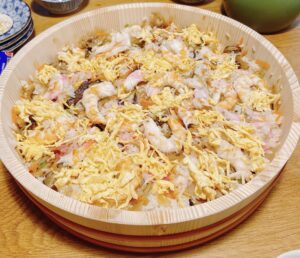
NigiriSushiだけじゃない! Japan全国のLocal Sushi30選を一挙にご紹介
Sushiといえば、ほとんどの人が思い浮かべるのはNigiriSushiですが、全国にはNigiriSushi以外にもそれぞれの土地の気候風土や歴史に根付いた「Local Sushi」があります。 古い歴史や -
かんたん!SushiのNigiri方3|5分でわかる魚の捌き方の基本
「自宅でSushiをForming Nigiriなら、魚を捌くところからやってみたい!」という人のために、魚の捌き方をご紹介します。魚を捌くのは簡単ではありませんが、コツを掴んでしまえば大丈 -
かんたん!SushiのNigiri方4―実際にSushiを握ってみよう
Sushiには「Thin Roll」や「太巻き」、「手Sushi Rolls」と言ったSushi Rollsがありますが、Sushiと言えば、「NigiriSushi」を思い浮かべる人が多いのではないでしょうか。 Sushi Rollsは -
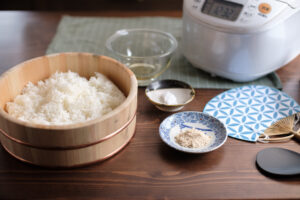
かんたん!SushiのNigiri方2-仕込みを始めよう
Sushiを自分でForming Nigiriには長い期間の修業が必要だと思っていたりしませんか? たしかに、Sushi Restaurantの Craftsmanは魚の捌き方から酢飯の合わせ方まで、厳しい鍛錬を積み重ねて身につけて
Load More
Close