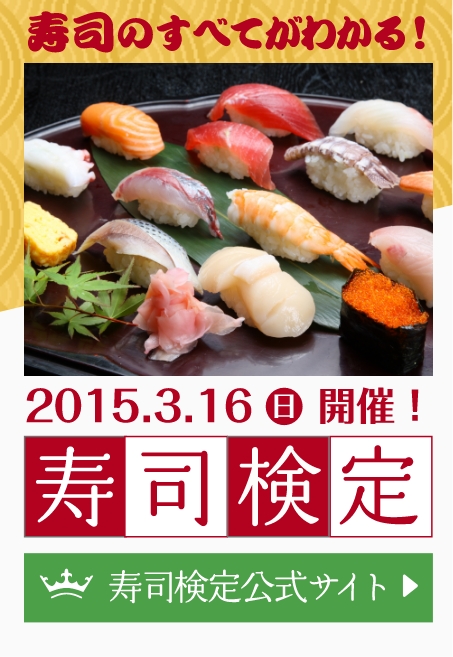


Sujiko — Salmon Roe (in Membrane)
【Reading】すじこ
【English Name】Sujiko (Salted Salmon Roe Sac)
Sujiko, which has taken root in sushi restaurants as a standard gunkan-maki topping, is a processed product made by preparing the ovaries of salmonid fish—still in their connected, granular form—with salt or seasoning liquid. Salt curing is the most common, and methods using soy sauce or sake lees are also enjoyed in various regions. If the grains are loosened one by one and removed from the membrane, they become ikura (loose roe / bara-ko), becoming something entirely different from sujiko in both appearance and how it is eaten.To distinguish the two precisely: if the eggs have matured sufficiently and are loosened one grain at a time, they are ikura; a product in which an ovary still in the course of development has been seasoned as is corresponds to sujiko. The raw material before processing is called nama-sujiko, and the name differs by locality, with places using "harako" also seen.
In preparation, first the blood is carefully removed in water with about 2% salt content. Next it is soaked in saturated saltwater for about 30 minutes, covered with cloth, wrapped in plastic film, weighted, and aged in the refrigerator over 5 to 7 days to complete it. As a rule, it reaches the table raw, without being heated.
Its history goes back as far as the Heian period, and in the legal compilation Engishiki, a processed product of salmon bearing eggs appears under the name uchiko-zake. In sushi restaurants, forming it into gunkan-maki is the orthodox way, and its deep saltiness and the texture of the grains clinging stickily to the tongue are its great appeal.