

Tokyo-wan — Tokyo Bay
【Reading】とうきょうわん
【English Name】Tokyo Bay
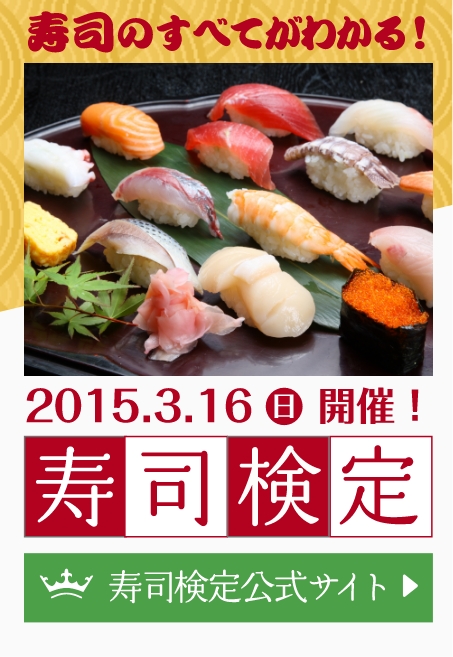
A bay flanked on both sides by the Boso Peninsula and the Miura Peninsula, opening at the southern edge of the Kanto region. The Uraga Channel at its southern end is the gateway to the open sea. The inner bay in the narrow sense has an area of about 922 km², with an average depth of about 15 m—a shallow bottom.In the Edo period, active fishing was carried out in the "Edomae" sea that spreads at the head of the bay. Representative products included shiba shrimp from the Shiba area, whitebait (shirauo) from Tsukudajima, and clams (hamaguri) and oysters from Fukagawa, and a great variety of seafood such as sillago (kisu), conger eel, flounder, goby (haze), and kuruma prawn was also abundant. Thanks to the locational advantage of being able to send freshly landed fish straight to cooking, the food cultures of Edo-style sushi and tempura blossomed.
However, from the Meiji period onward, riding the waves of urbanization and industrialization, the tidal flats and shallows were rapidly lost, and by the 1970s water-quality deterioration became a serious problem. From the 1980s, measures to protect the environment got into full swing, and a trend toward water-quality recovery came to be seen; yet catches have not returned to their former levels. While facing challenges such as the occurrence of oxygen-poor water masses, it is a sea area where a diverse biota is gradually recovering.