

Ikura — Salmon Roe
【Reading】Salmon Roe
【English Name】Salmon roe
Ikura refers to fish roe made by removing the mature eggs spawned by salmon and trout from the ovarian membrane and loosening them grain by grain. The etymology is the Russian word "икра (ikra)," which originally was used to mean fish roe in general. In Russia, salmon eggs are called "red caviar" and sturgeon eggs "black caviar," distinguished by these names.This food culture is thought to have taken root in Japan during the Taisho era, said to have begun when a fisheries experiment station in Karafuto (Sakhalin) introduced the Russian-style salt-curing method. Since Japanese originally had no word distinguishing sujiko (egg sac) from loosened eggs, the Russian term was adopted as is.
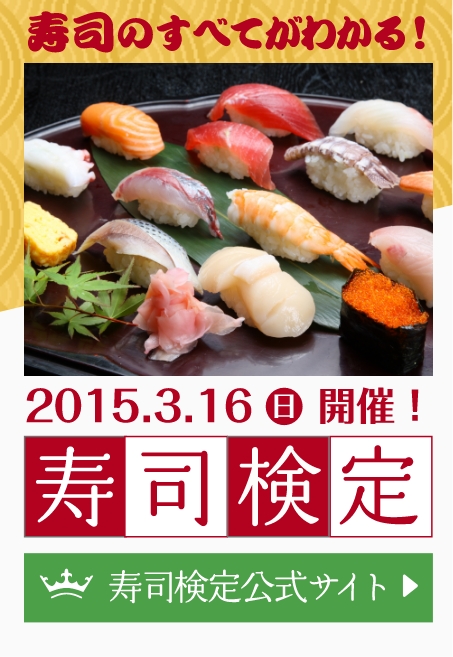
The main form of serving in sushi is the gunkan-maki (battleship roll), and it is also widely established as a topping for seafood rice bowls and as a filling for onigiri. The two common processing methods are salt-curing and soy-sauce marinating. Because freshness greatly determines quality, eggs harvested within six hours of catching are said to be best suited for ikura processing.
In Hokkaido, the autumn salmon fishery opens from late August to early September, but the eggs ripen to a quality suitable for ikura mainly from October onward. As nutritional components, it is rich in polyunsaturated fatty acids such as DHA and EPA, as well as vitamin B12 and vitamin D.