

Nami / Jo / Tokujo — Regular / Premium / Deluxe Grades
【Reading】なみ·じょう·とくじょう
【English Name】Regular, Deluxe,Super Deluxe
'Nami' (regular), 'jo' (superior), and 'tokujo' (special superior)—these are three-tier ranking expressions long used in the world of Japanese cuisine, foremost at sushi and eel restaurants. The method of dividing ranks by the number and variety of toppings included in an assortment or a rice bowl, and setting differences in price, has spread throughout the country.In the case of eel rice bowls (unadon) and eel boxes (unaju), what increases as you move up to jo or tokujo is the 'quantity' of eel; it does not mean there is a difference in the quality of the eel itself. The great majority of restaurants limit their supplier to a single source, and when handling eel from multiple regions it has become customary to note the place of origin on the menu.
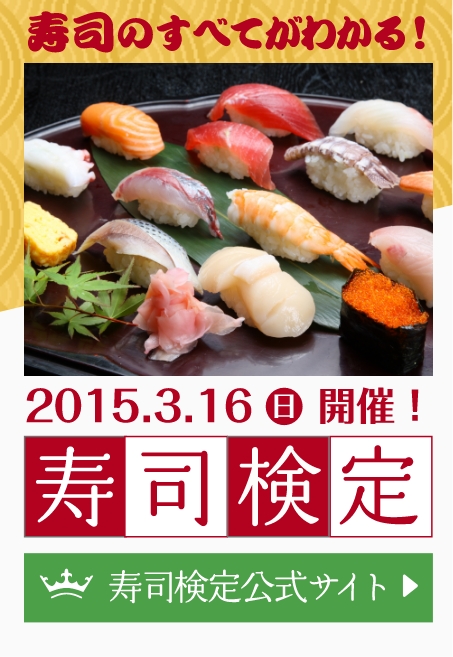
The mechanism is the same for sushi: nami centers on a composition of standard toppings, jo adds higher-priced items such as fatty tuna (toro) and shrimp, and tokujo brings together a full set of luxurious ingredients such as sea urchin (uni) and salmon roe (ikura). However, the specific contents are left to each restaurant's discretion, and there is no standard unified nationwide.
Its use also extends beyond the realm of food, being adopted in the scoring divisions of quiz shows and even as the titles of manga works; as a phrase that plainly expresses the concept of 'raising the rank one step at a time,' it has taken deep root in Japanese culture.